



Bodies Rot in the Streets of Sudan — There’s No One Left to Bury Them
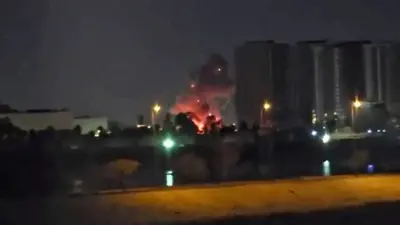
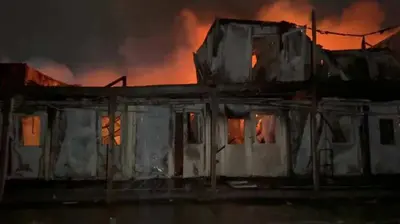
In the northern Darfur region of Sudan’s capital of El Fasher, a horrifying humanitarian disaster has unfolded as hundreds of bodies lie in the streets with no one to bury them. The city was seized last week by the semi-military force Rapid Support Forces (RSF). Their assault has killed at least 1,500 people, with more than 460 deaths alone reported in a single hospital.
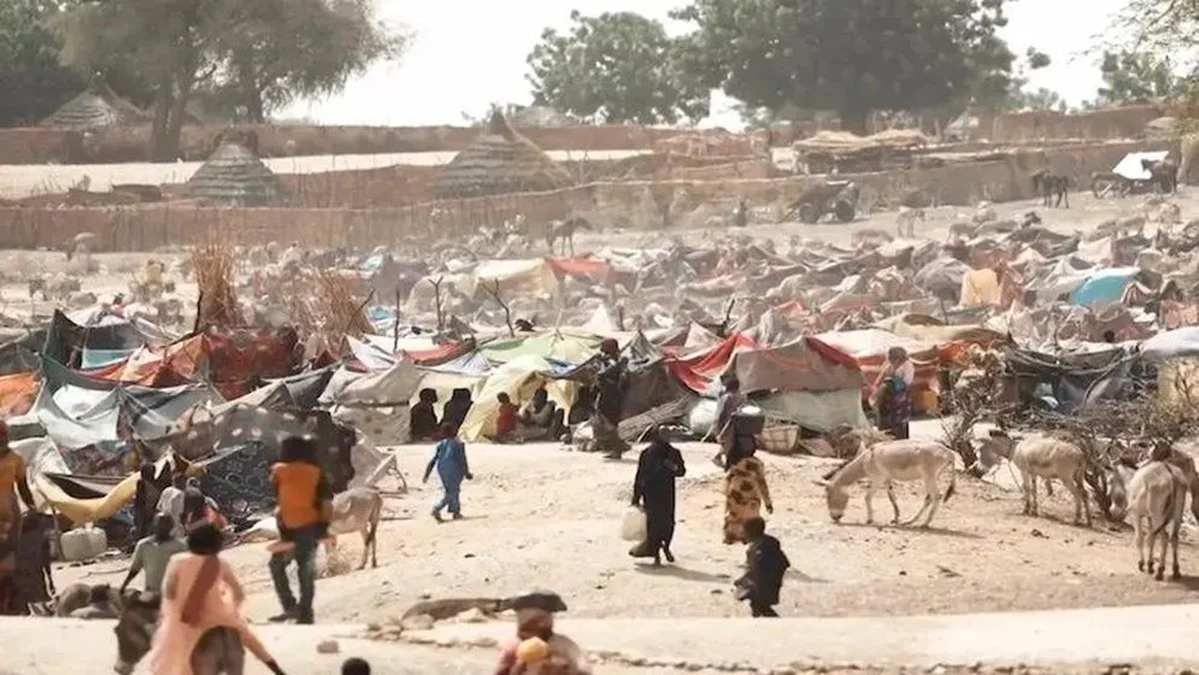
The United Nations says civilians trapped in the city are in grave danger. The wounded lie exposed beneath open skies, without medical care or rescue. Nearly 36,000 people have fled to the town of Tawila—some 70 km away—where already more than 650,000 displaced people had taken refuge.
Local resident Hayat said: “Seven RSF members broke into our home, looted everything, and killed my 16-year-old son in front of me. I’ve seen countless bodies lying in the streets, and no one could rescue the wounded.” Another survivor, Hussein, said: “The situation in El Fasher is horrific. Corpses are lying in the streets, and there’s no one to bury them.”
The Norwegian Refugee Council working in the Tawila camp says the number of people fleeing is still very low. They fear many have died along the way.
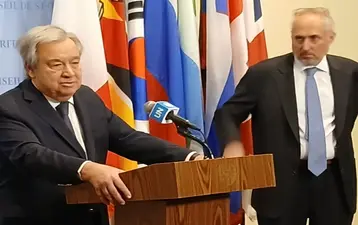
Stephan Dujarric, spokesman for the United Nations Secretary-General, said $20 million has been approved from the Central Emergency Response Fund to scale up aid operations in Darfur. He said: “We are deeply concerned over the killing of more than 450 people. These included patients, health-workers and ordinary civilians.”
Sudan specialist Shayna Lewis said: “This massacre in Darfur is profoundly tragic. We have been warning the international community for over a year about the risk of genocide, but we received little response.” She added that satellite images showed blood-soaked terrain — reddish soil, shadows revealing the shapes of dead bodies.
In El Fasher, there remains an acute shortage of food, water and medicine. Humanitarian organisations say this is one of the worst humanitarian disasters of recent times.