Inside Sudan’s Civil War: The Army, RSF, and the Foreign Powers Fueling the Conflict
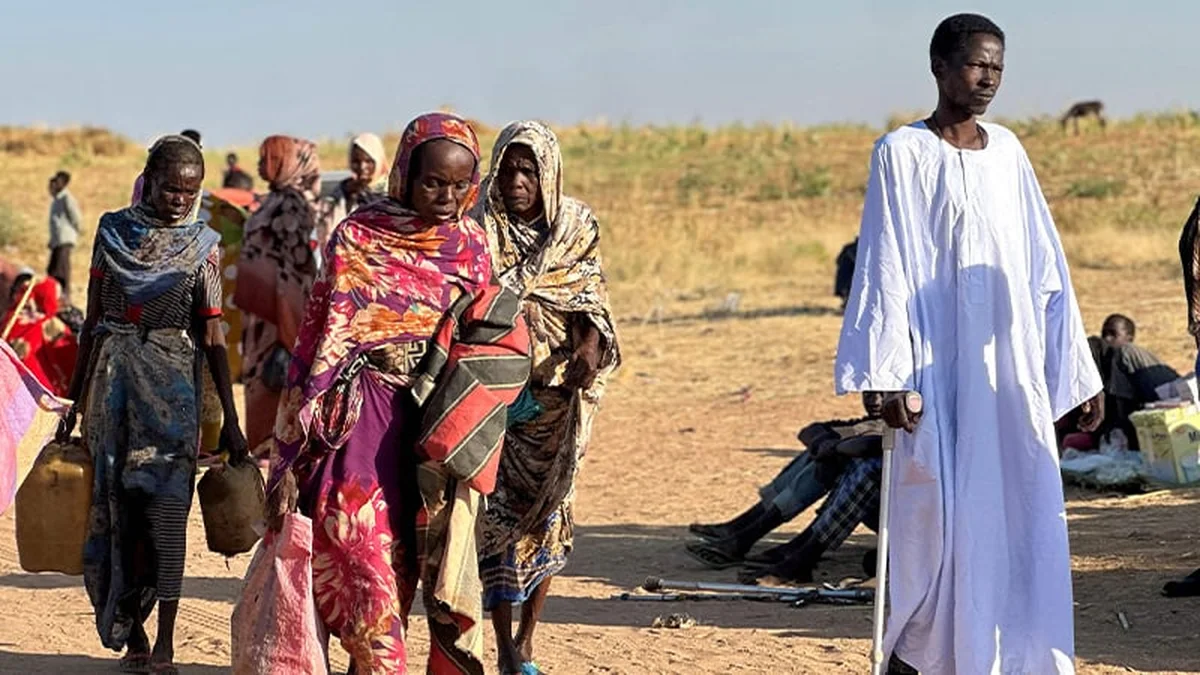
Since April 2023, fierce fighting has continued in Sudan between the army and the paramilitary group Rapid Support Forces (RSF) over control of the country. Both sides have accused each other of receiving assistance from foreign powers.
From the very beginning of the conflict, the United Nations urged member states not to intervene in Sudan — but that appeal has gone largely unheeded. On Friday, AFP published a report detailing the domestic and foreign actors involved in Sudan’s devastating civil war.
The Sudanese army is led by General Abdel Fattah al-Burhan, while the RSF is commanded by Mohammed Hamdan Dagalo.
In 2019, President Omar al-Bashir was overthrown in a military coup, and an interim government was formed. However, in 2021, Burhan and Dagalo jointly toppled that government. At that time, Dagalo served as Burhan’s deputy in the army. Eventually, tensions grew between them, leading to the violent clashes that erupted in mid-April 2023.
So far, more than 10,000 people have been killed in the conflict, and nearly 12 million have been displaced, plunging the nation into a catastrophic humanitarian crisis.
The RSF originated from the Janjaweed militia, which was accused of grave human rights violations during the 2003 Darfur conflict.
Currently, the Sudanese army governs from the Red Sea coastal city of Port Sudan, with former UN official Kamil Idris serving as prime minister. Meanwhile, the RSF has set up a parallel administration in Nyala, Darfur.
Egypt:
Egypt is the main supporter of the Sudanese army and recognizes Burhan as the legitimate ruler. The RSF has accused Cairo of providing direct military aid to Burhan’s forces — an allegation Egypt has denied.
United Arab Emirates (UAE):
The army accuses the UAE of supplying the RSF with weapons and mercenaries (including Colombians) who enter Sudan through Chad, Libya, Kenya, and Somalia by land or air. As a result, the army-backed government cut diplomatic ties with the UAE in May this year. Although Abu Dhabi denies the allegations, UN reports and independent investigations have found evidence supporting them.
Libya:
Sudan’s army claims that Libyan commander Khalifa Haftar is aiding the RSF. According to Sudanese military officials, Haftar has been supplying the RSF with weapons and fuel received from the UAE. Haftar, however, denies these accusations.
Chad and Turkey:
Sudan’s army accuses Chadian President Mahamat Idriss Déby’s government of acting as a vital supply route for the RSF on behalf of the UAE.
Conversely, Turkey, a rival of the UAE, has supported the Sudanese army from the start. Reports from The Washington Post and other outlets indicate that Turkey has supplied drones to target RSF positions.
Iran and Russia:
After years of suspended relations, Khartoum and Tehran restored diplomatic ties in October 2023. Since then, the RSF has accused Iran of supplying the Sudanese army with drones.
Under former president Omar al-Bashir, Sudan was militarily dependent on Russia. In 2020, it was revealed that both countries were discussing the establishment of a Russian naval base on the Red Sea. The following year, Sudanese military officials confirmed that the deal was under review. Recently, high-level talks on the agreement have resumed, and the two nations have signed new military and economic cooperation accords.
Kenya:
In June, the army-backed government accused Kenya of arming the RSF, claiming that weapons and ammunition marked “Made in Kenya” were found in an RSF warehouse in Khartoum.
The government further alleged that Nairobi, acting as a transit hub for the UAE’s arms shipments via Chad, has also been fueling divisions inside Sudan. In February, a meeting was reportedly held in Kenya to establish the political wing of the RSF.