


Voting in Myanmar Amid Civil War and Humanitarian Catastrophe
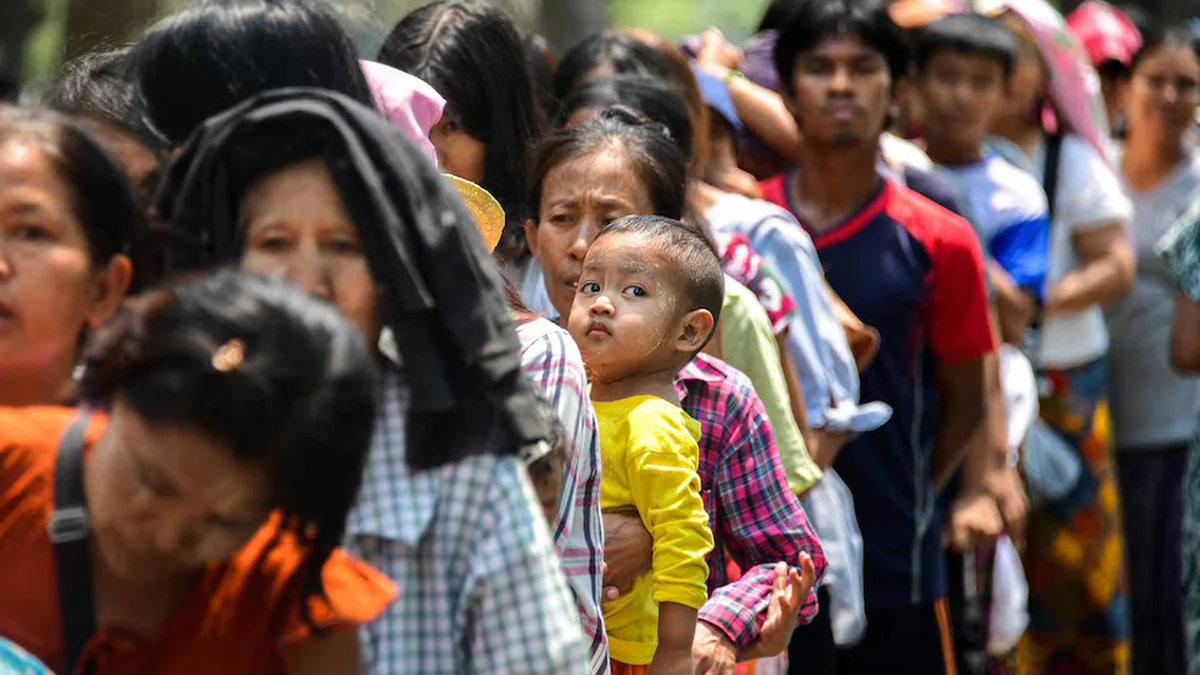
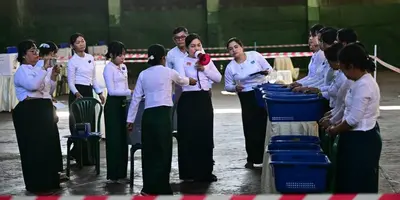
Amid a horrific civil war and an extreme humanitarian crisis, a general election is set to take place in Myanmar on Sunday.
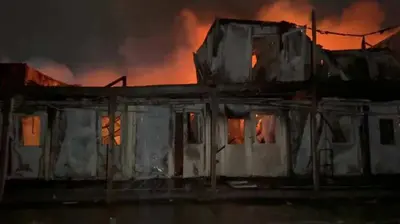
Since the military coup in 2021, the country has been going through a bloody conflict that has pushed this Southeast Asian nation to the brink of destruction.
Myanmar has been plunged into chaos by fighting between the military junta and armed rebel groups ever since the army seized power by overthrowing the elected government of Nobel laureate Aung San Suu Kyi.
In the midst of this conflict, a powerful earthquake in March this year, along with successive natural disasters, has further intensified the humanitarian crisis.
According to the United Nations, at least 20 million of Myanmar’s population of 51 million are now in need of urgent humanitarian assistance. Sky-high inflation and an unprecedented fall in the value of the national currency have pushed nearly half of the country’s population below the poverty line.
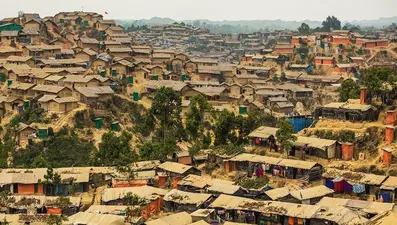
At least 6,800 civilians have been killed so far in the post-coup conflict. More than 3.6 million people have been forced to flee their homes.
The World Food Programme has warned that 12 million people in Myanmar will face severe hunger next year, including 1 million people who will require life-saving assistance to survive.
A Reuters report said the junta government is pressuring researchers and aid workers to conceal data on food shortages and hunger in the country.
Meanwhile, the United Nations has said that only 12 percent of the required humanitarian funding for Myanmar has been secured, turning the country into one of the world’s most “under-funded” crisis zones.
Children are in the most dire condition. According to WFP data, 540,000 children in Myanmar could suffer from severe malnutrition this year, which is 26 percent higher than last year.
In addition, one in every three children under the age of five is experiencing stunted physical growth due to a lack of proper nutrition.
Once considered one of the fastest-growing economies in the region, Myanmar is now struggling. A World Bank report released this month said the country’s GDP growth could rebound to 3 percent in the next fiscal year.
This growth is largely being driven by post-earthquake reconstruction activities. However, inflation remains above 20 percent.
On the other hand, amid a severe electricity shortage, the use of solar energy is increasing in Myanmar. Taking advantage of this situation, the junta government has signed a major investment agreement with Russia, which is expected to open new opportunities for Russian companies in Myanmar’s energy sector.