




ASEAN Summit: Rights Groups Demand Urgent Action on Myanmar and Rohingya Crisis
Global and regional human rights organizations have called on leaders attending the ASEAN Summit in Kuala Lumpur to take decisive action on the worsening human rights situation in Myanmar and the ongoing Rohingya refugee crisis affecting Bangladesh and other regional countries.
In separate statements ahead of the three-day summit, the groups also urged ASEAN leaders to reject Myanmar’s planned sham elections scheduled for December 28, which they say would further entrench military rule and suppress democracy.
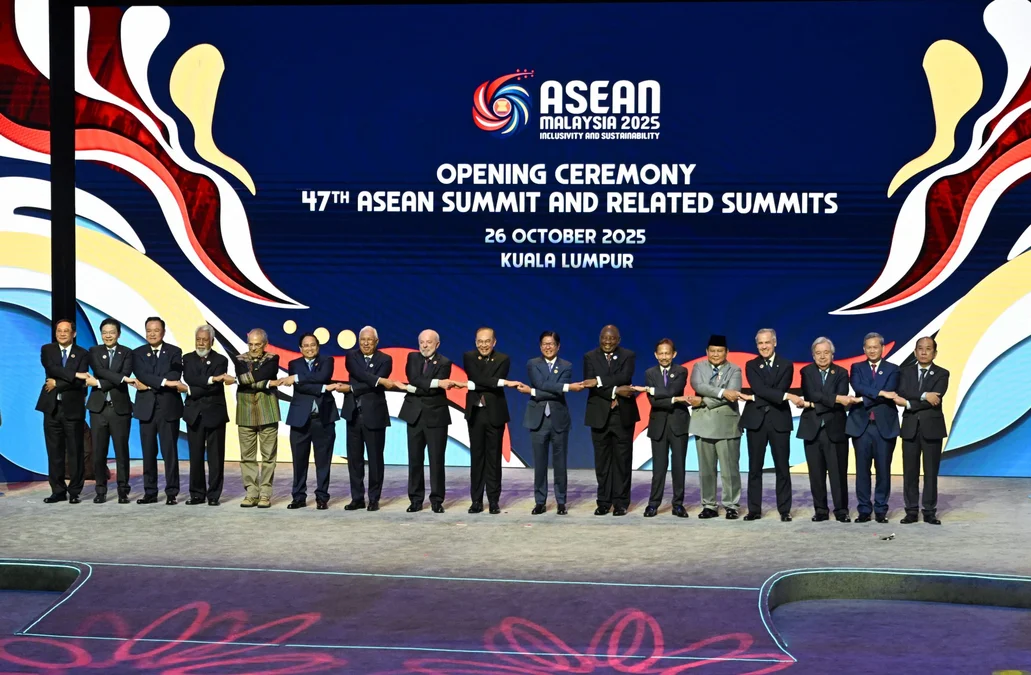
The summit brings together around two dozen world leaders, including US President Donald Trump, alongside heads of state from the ten ASEAN member nations — Brunei, Cambodia, Indonesia, Laos, Malaysia, Myanmar, the Philippines, Singapore, Thailand, and Vietnam.
With a combined population of 678 million and a GDP of $3.9 trillion, ASEAN nations face mounting regional challenges — notably the Thailand-Cambodia border tensions and Myanmar’s civil war, which has displaced more than 3.5 million people.
Rohingya Crisis Worsens
Since 2017, over one million Rohingya have fled Myanmar amid military violence, with many seeking refuge in Bangladesh. Clashes between the Myanmar junta and the Arakan Army continue to drive new waves of displacement.
Bangladesh, which hosts over 1.3 million Rohingya in Cox’s Bazar, has long urged a sustainable solution, citing funding shortages, human trafficking, and drug smuggling as escalating concerns.
ASEAN Lawmakers Demand Urgent Leadership
The ASEAN Parliamentarians for Human Rights (APHR) warned that civilians in Myanmar face relentless violence, mass displacement, and a collapse of essential services, with 22 million people in need of aid.
APHR Chairperson Mercy Chriesty Barends said ASEAN can no longer sideline Myanmar and the Rohingya crisis:
“These are immediate humanitarian and security crises that demand urgent and decisive leadership.”
Thai MP Rangsiman Rome added that ASEAN must reject the junta’s sham election, warning it would “deepen oppression, entrench military impunity, and erase any hope of democratic transition.”
APHR urged ASEAN leaders to treat the Myanmar conflict and Rohingya crisis as regional emergencies requiring a coordinated, people-centred response. The group called for support for inclusive federal democracy, locally driven peace initiatives, and meaningful engagement with the National Unity Government, ethnic organizations, women leaders, and civil society groups.
APHR Co-Chair Charles Santiago said:
“Southeast Asian lawmakers and democratic allies must champion a people-centred, rights-based approach to the Myanmar crisis and the humanitarian catastrophe facing Rohingya refugees.”
UN and Human Rights Watch Call for Accountability
Tom Andrews, the UN Special Rapporteur on the situation in Myanmar, said ASEAN was at a crossroads regarding its Myanmar policy:
“The junta has defied ASEAN’s Five-Point Consensus since it was signed over four years ago. Recognising their fraudulent election would move Myanmar backward and defend the indefensible.”
John Sifton, Asia Advocacy Director at Human Rights Watch, said the Myanmar military lacks both the intention and capacity to hold free and fair elections, pointing to crimes against humanity, war crimes, arbitrary detentions, and the criminalisation of opposition parties.
“ASEAN and its partners should categorically reject any support for these sham elections,” he said.