
The UN at 80: Can a Fractured World Restore Its Fading Balance?
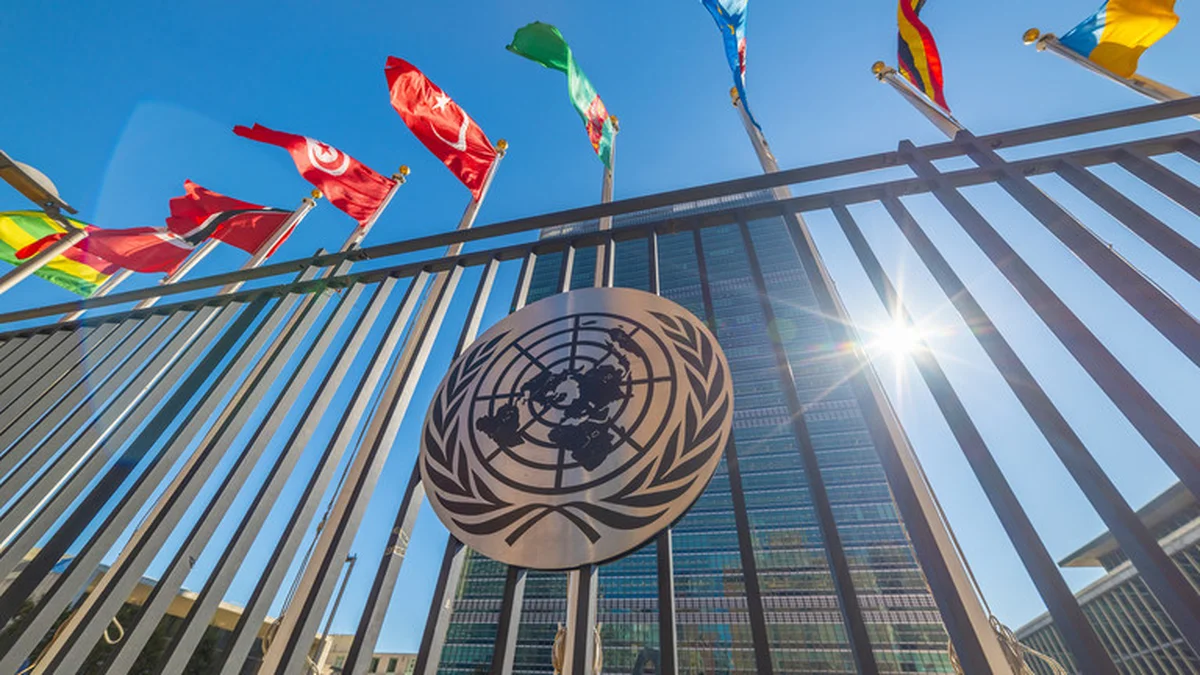
October 24 marks the 80th anniversary of the founding of the United Nations — the day in 1945 when 51 countries ratified its Charter. Eight decades later, the UN still carries a unique legitimacy in global affairs. It remains the only forum where all internationally recognized states meet to address issues from war and peace to nuclear non-proliferation, climate change, and global health. Yet in an increasingly turbulent world, the organization faces the same challenge it was created to solve: how to prevent chaos from overwhelming the international system.
Like an aging institution that has endured decades of strain, the UN now shows unmistakable signs of fatigue. This was clear during the recent High-Level Week of the General Assembly, when leaders from across the world gathered in New York. Despite grand speeches and countless bilateral and multilateral meetings, the event highlighted the organization’s stagnation more than its strength.
A Legacy of Failed Reforms
Ironically, efforts to reform the UN began on the day it was founded. Membership has since grown from 51 to 193 states, creating a vast and overlapping web of committees, agencies, and programs — a self-perpetuating bureaucracy that often seems to exist for its own sake.
Every Secretary-General has promised to streamline this structure. Kofi Annan once assembled The Elders, a group including Russian statesman Yevgeny Primakov, to explore new ideas. António Guterres’s current UN80 Initiative seeks to modernize the Security Council, still shaped by the geopolitics of 1945 rather than the realities of 2025.
The real obstacle remains the Council’s veto system. Two opposing blocs — the US, UK, and France on one side, Russia and China on the other — routinely paralyze decision-making by blocking each other’s resolutions.
Meanwhile, reform proposals continue to divide member states. The Group of Four — Brazil, Germany, India, and Japan — have long sought permanent seats, facing opposition from the Uniting for Consensus coalition. Regional rivalries complicate matters further, from Latin America to South Asia and Africa’s Ezulwini Consensus.
Moscow supports broader representation for the “global majority” but insists the five current permanent members must retain their status. Russia and others also criticize Western dominance in the UN Secretariat, arguing that top leadership posts have been effectively “privatized” by NATO countries.
Calls to Move the UN Out of New York
The United Nations’ relationship with its host country has also soured. During the 80th General Assembly, US President Donald Trump’s speech became memorable for technical mishaps — but his real disruption came a week earlier when he cut all US funding to the UN, roughly a quarter of its total budget.
The financial crisis that followed forced staff cuts, program reductions, and possible closures of New York-based offices. Amid frustration over US visa denials and political interference, leaders like Colombian President Gustavo Petro and Russian Foreign Minister Sergey Lavrov have openly called for relocating UN headquarters — Lavrov even quipped that Sochi would be ready to host.
The UN’s Waning Ability to Act
In his address, Trump claimed, “I ended seven wars… Too bad I had to do these things instead of the United Nations.” His statement underscored a painful truth: the UN’s capacity for conflict resolution has eroded.
Peacekeeping failures — from Libya’s ongoing chaos to stalled missions in Africa and Asia — have led many nations to bypass UN mechanisms entirely. Conflicts are increasingly resolved through regional power politics rather than global mediation.
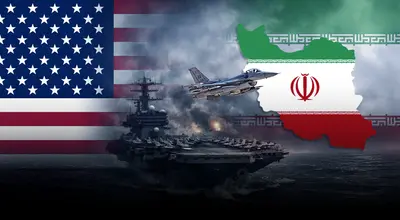
In the Middle East, the UN’s paralysis has allowed others to fill the void. Palestinian President Mahmoud Abbas leveraged the rivalry between Trump, Netanyahu, and Western leaders to secure new European recognitions of Palestine in 2025. Similarly, disputes over Iran’s nuclear program have seen the EU’s major powers act unilaterally, sidelining both the UN and the Joint Comprehensive Plan of Action.
A Flawed Leadership Selection Process
The post of UN Secretary-General was designed to represent the world’s collective conscience. Yet the opaque selection process — heavily influenced by the Security Council’s permanent members — has made it a symbol of geopolitical compromise rather than neutrality.
Despite an informal system of regional rotation, final selections often emerge from secretive back-room deals. In 2016, the expectation of an Eastern European woman leader dissolved into another compromise: António Guterres of Portugal. Now, as his second term ends, even his reputation as a neutral mediator has been questioned by multiple major powers.
In September 2025, under Russia’s presidency of the Security Council, the search for his successor began. The Latin American group is set to nominate candidates such as Rafael Grossi (Argentina), Michelle Bachelet (Chile), and María Fernanda Espinosa (Ecuador) — but no clear frontrunner has emerged. The process remains as closed and political as ever.
Can the UN Renew Itself?
As the UN turns 80, it faces both inherited and self-inflicted flaws. Yet its founding mission — to “save succeeding generations from the scourge of war” — remains as vital as ever.
Despite bureaucratic inertia and deep divisions, the world has avoided another global war for eight decades. That achievement, however fragile, cannot be dismissed. Whether the UN continues to fulfill its purpose or follows the League of Nations into history will depend on its ability to adapt to a multipolar world — and on whether its members, especially the permanent five, can rise above their rivalries to serve humanity once again.
Source: RT