
Deadly Unrest Grips Pakistan-Administered Kashmir as Protests Enter Fifth Day
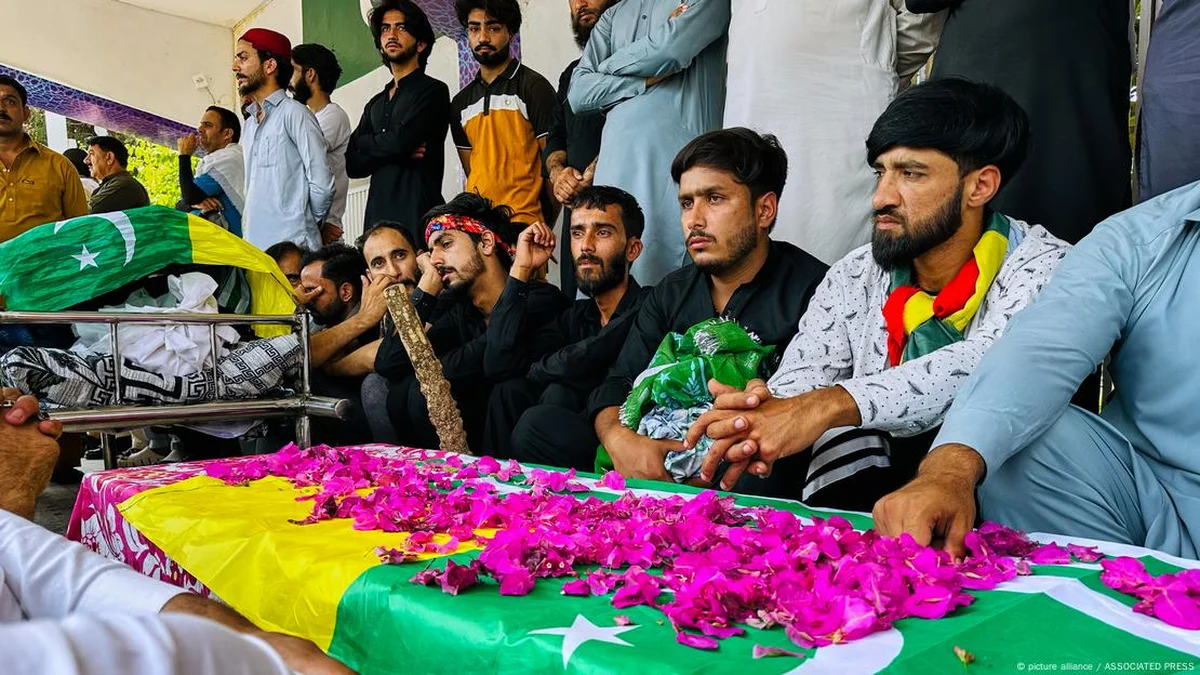
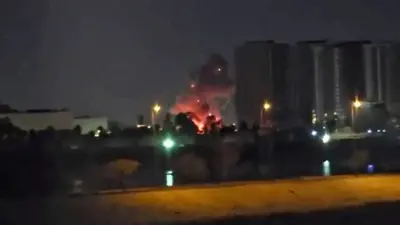
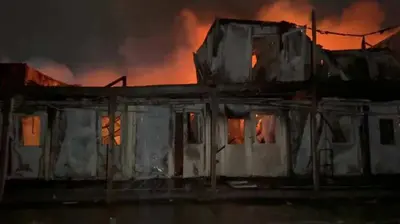
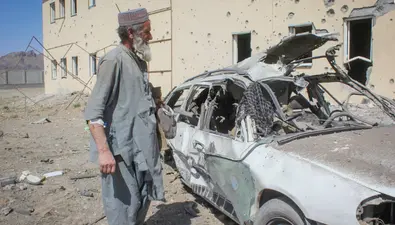
Pakistan-occupied Jammu and Kashmir (PoJK) is witnessing one of the largest uprisings in decades as thousands of protesters clash with Pakistani security forces across multiple districts. The unrest, now in its fifth consecutive day, has left at least 12 civilians dead and more than 200 injured, many of them critically with gunshot wounds. Violence has spread from Muzaffarabad, the regional capital, to Rawalakot, Neelum Valley, Kotli, and Dadyal, despite heavy security presence and strict curbs on communication.
Control over the territory of Kashmir has been divided between Pakistan and India, which have disputed it since the two countries were formed in 1947.
The protest in Pakistan-administered Kashmir began on Monday, as thousands took to the streets of Muzaffarabad, the capital of the territory, to demand an end to lucrative benefits for the political class, such as free electricity and expensive cars.
Authorities blocked internet and mobile phone services. Officials also reportedly warned local media against covering the events.
According to AFP news agency reporters on the ground, streets were stained with blood and littered with spent bullet casings, shards of glass and scattered stones.
Three policemen and five civilians have been killed so far, according to two security officials who spoke to Reuters news agency. The officials confirmed that clashes had been ongoing since the protests began on Monday.
Pakistani TV reported that businesses, schools and transportation services went on strike in response to the unrest.
Pakistani Prime Minister Shehbaz Sharif addressed the situation, offering to set up a committee of senior officials to resolve the conflict.
"The government is always ready to resolve the problems of our Kashmiri brothers," he said.
The committee would be responsible for investigating the violence that occurred and seeking dialogue with protesters, Sharif's office said in a press release.
The protests have been led by the Awami Action Committee (AAC), a civil rights organization formed to fight for local rights in the mostly rural, Muslim-majority region.
AAC protest leader Shaukat Nawaz said police had fired at protesters.
"The bullets being fired at us are made in Pakistan to be used against the enemy and are now being used against us," he said.