



Myanmar Faces Crucial Hearings in Rohingya Genocide Case
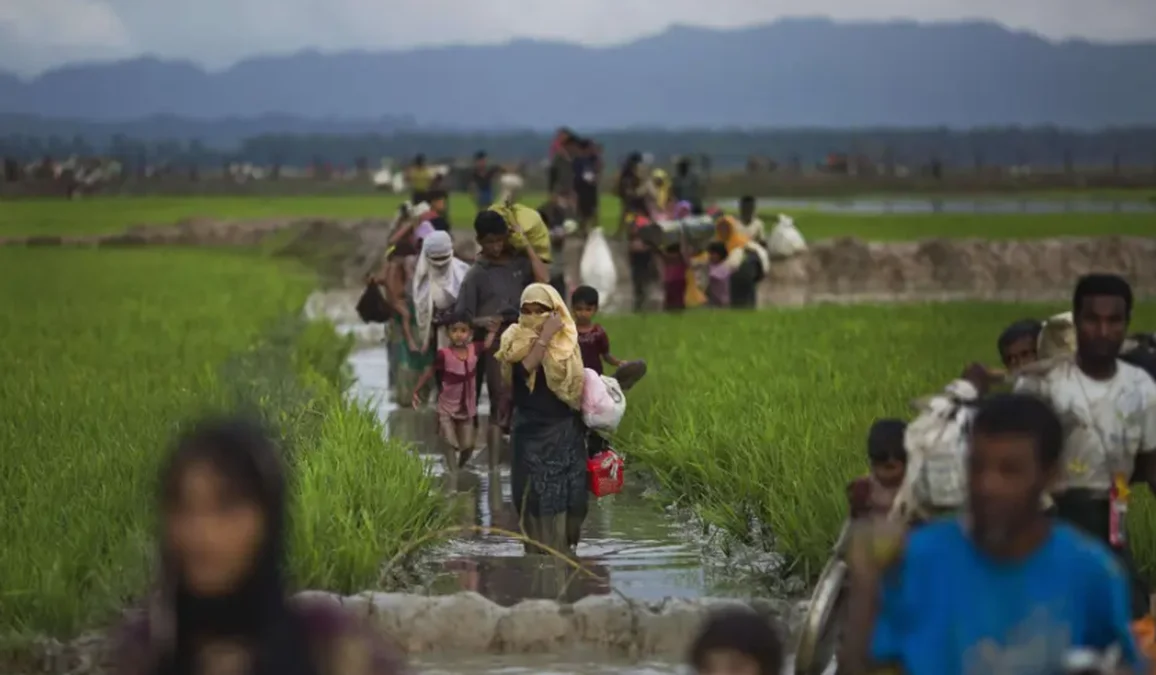
Myanmar is facing a decisive phase in the international legal case concerning allegations of genocide against the Rohingya people. Hearings at the International Court of Justice are set to examine the substance of the case, marking a crucial step toward determining Myanmar’s responsibility under international law.
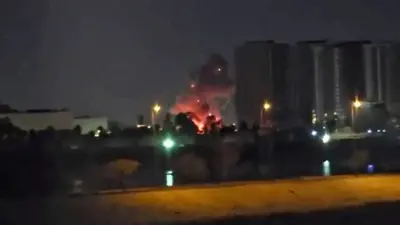
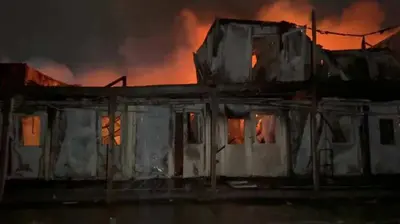
The case stems from the military crackdown launched in August 2017 in Myanmar’s Rakhine State, during which widespread killings, sexual violence, and village burnings forced hundreds of thousands of Rohingya to flee to neighboring Bangladesh. These actions triggered global condemnation and renewed calls for accountability.
The proceedings focus on whether Myanmar violated its obligations under the Genocide Convention by committing genocidal acts, failing to prevent them, and neglecting to protect the Rohingya population. The court will assess evidence related to intent, patterns of abuse, and state responsibility rather than individual criminal liability.
Human rights advocates view these hearings as a vital opportunity to advance justice for the Rohingya, who have endured decades of discrimination, statelessness, and violence. Despite earlier court orders requiring Myanmar to prevent further harm and preserve evidence, serious abuses have reportedly continued.
The case unfolds amid ongoing instability in Myanmar following the 2021 military takeover, which has intensified armed conflict and human rights violations nationwide. Observers argue that a clear legal ruling could strengthen international efforts to protect vulnerable communities and deter future atrocities.
The outcome of the hearings may have lasting implications not only for Myanmar but also for the enforcement of international law and the global fight against genocide.
Source: Human Rights Watch