

Afghan Refugees in Pakistan: Stripped of Identity, Trapped Between Borders
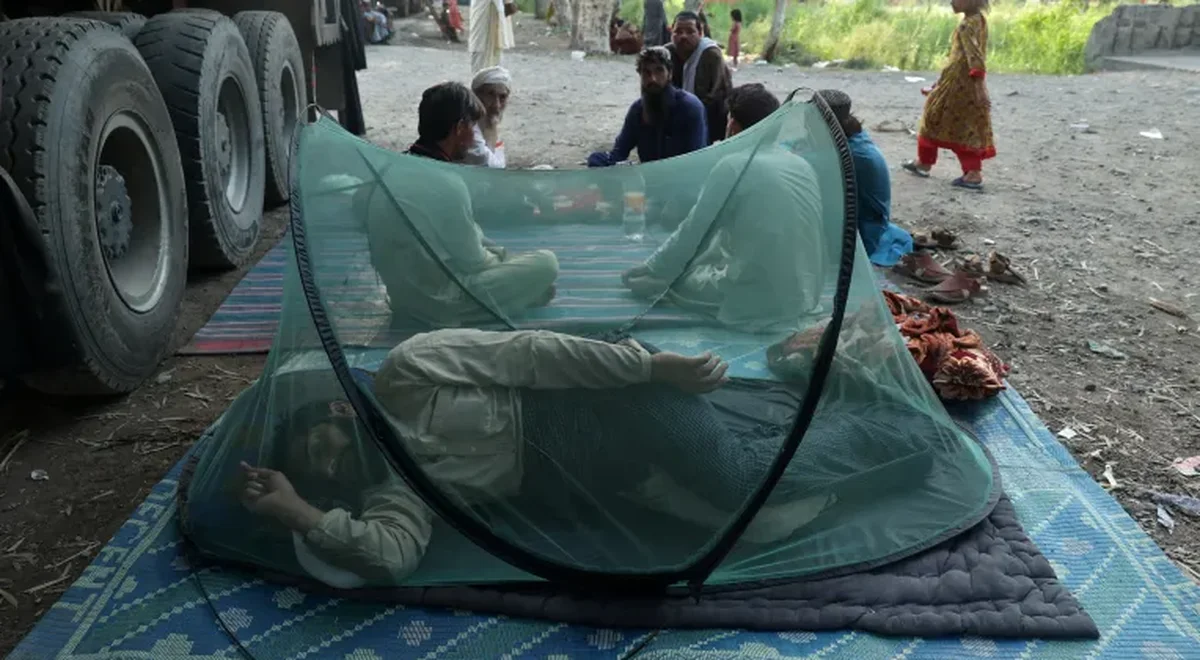
Born and raised in Pakistan, 45-year-old Allah Meer has never truly known Afghanistan. His parents fled the Soviet invasion in 1979 and settled in a refugee village in Kohat, northwestern Pakistan. Meer, along with more than 200 extended family members, has lived in the country ever since.
But now, four decades later, the only home they have ever known is no longer safe.
Last week, the Pakistani government announced the closure of all 54 Afghan refugee villages across the country, intensifying its ongoing campaign—launched in 2023—to expel what it calls “illegal foreigners.” Among those affected are families like Meer’s, who have lived in Pakistan for generations.
“I visited Afghanistan once, for two weeks in 2013,” Meer told Al Jazeera. “Other than that, none of my family has ever been back. We were born here, we lived here, we married here. We even buried our loved ones here. This is home.”
From Haven to Hostility
Pakistan has hosted millions of Afghan refugees since the Soviet invasion, with waves of migration continuing during Afghanistan’s civil war, the Taliban’s first rule in 1996, and most recently after their return to power in 2021. That latest takeover led to nearly 800,000 Afghans fleeing to Pakistan.
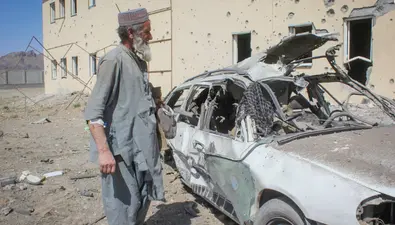
However, relations between Islamabad and the Taliban have sharply deteriorated. Pakistani officials now accuse the Afghan government of harboring armed groups responsible for attacks inside Pakistan—a claim Kabul denies.
In this climate of tension, refugees are increasingly viewed as security risks rather than asylum seekers. “We are being turned into scapegoats,” Meer said.
Paper Shields No Longer Valid
Like many Afghans, Meer holds a Proof of Registration (PoR) card issued by the UNHCR. Introduced in 2006, the card provided limited legal status and access to basic services. Others hold Afghan Citizen Cards (ACC) introduced in 2017 to document undocumented Afghans.
But both forms of identification are now in limbo. Since June 30, 2025, Pakistan has stopped renewing PoR cards and rendered existing ones invalid. ACC holders, too, face deportation despite holding official documentation.
“Even with a UN-issued PoR card, I can no longer access hospitals for my children,” Meer said. “Without legal identity, we are invisible. Illegal in our own home.”
According to the UNHCR, over 1.5 million Afghans have either left voluntarily or been deported from Pakistan since 2023. More than 1.2 million PoR cardholders, 737,000 ACC holders, and 115,000 asylum seekers still remain—many now at risk of forced return.
Refugees as Political Leverage
The escalation in border clashes this October and the political fallout have turned refugees into bargaining chips between Islamabad and Kabul. Despite a temporary ceasefire signed in Doha and another round of talks set for October 25 in Istanbul, trust is low.
Meer, a father of 10 and a university graduate, now runs a UNHCR-supported vocational training program for Afghan refugee children. He says even that may be shut down if refugee villages are dismantled.
“Our elders are considering sending some young men to Afghanistan to find housing or start businesses. But we have no ties there. We are strangers on both sides of the border.”
He fears the stigma will follow them wherever they go: “In Pakistan, we’re treated as foreigners. In Afghanistan, they’ll see us as Pakistanis—as outsiders.”
A Call for Compassion
UNHCR spokesperson Qaiser Khan Afridi said the agency is deeply concerned about the Pakistani government’s decision to dismantle refugee villages and urged authorities to halt any involuntary returns.
“For over 45 years, Pakistan has shown extraordinary generosity by hosting Afghan refugees,” Afridi said. “We urge the government to allow voluntary, gradual, and dignified returns, especially for those with protection needs.”
He added, “It’s time to uphold that legacy of hospitality at this critical juncture.”
Source: Al Jazeera