


Pakistan Army Struggles to Contain Balochistan Insurgency; Defence Minister Admits Limitations
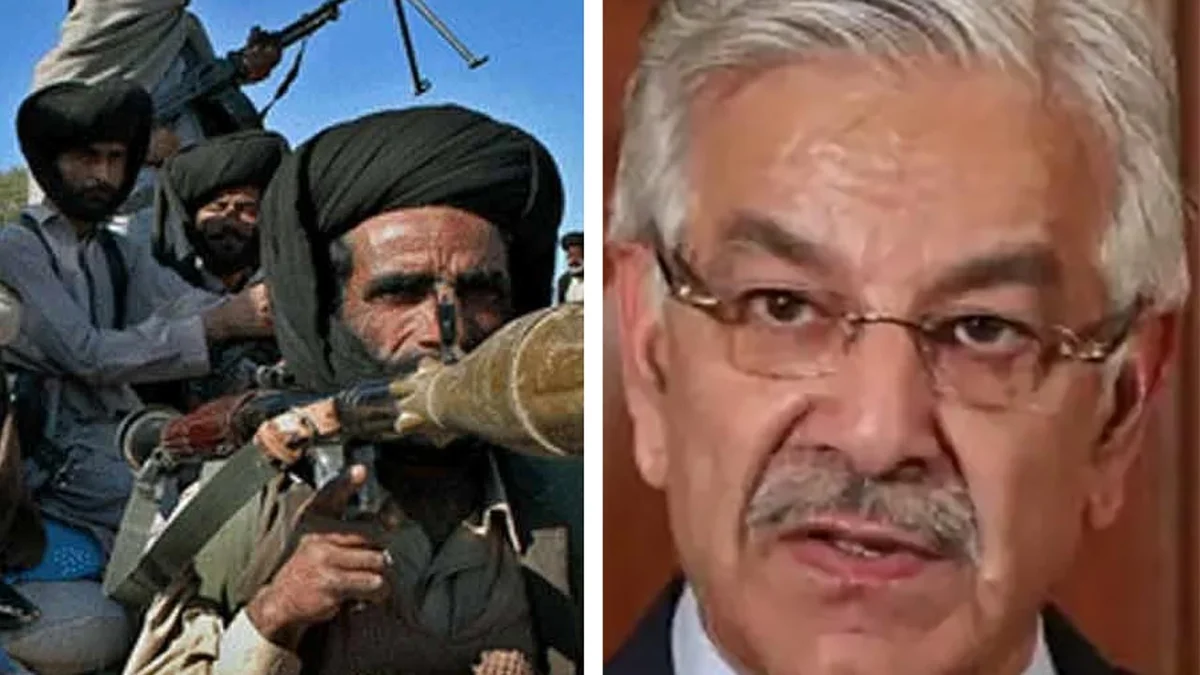
The flames of insurgency are burning in Balochistan, Pakistan’s largest province. Despite carrying out crackdowns, Islamabad has still failed to bring the Baloch rebels under control. In this situation, Pakistan’s Defence Minister Khawaja Asif has acknowledged the “limitations” of the Pakistani army. Explaining the reasons why the Baloch insurgency cannot be curbed, he addressed Pakistan’s parliament on Tuesday.
Speaking in the lower house of Pakistan’s parliament, the National Assembly, Asif said, “Geographically, Balochistan covers 40 percent of Pakistan’s territory. Controlling it is far more difficult than controlling a densely populated city. Our soldiers are present there and they are taking action against them (terrorists). But they are physically constrained when it comes to guarding such a vast area.” Notably, although Balochistan is Pakistan’s largest province, its population is much smaller compared to other provinces. Balochistan is also Pakistan’s poorest province.
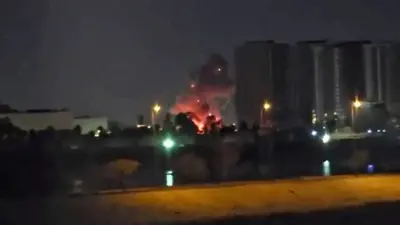
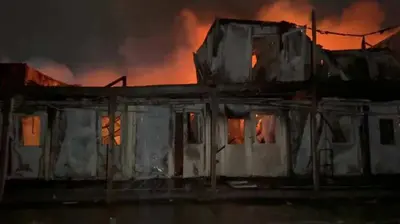
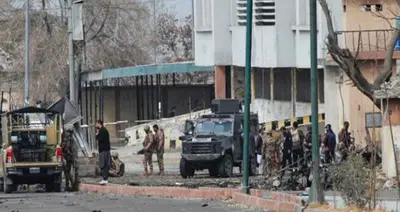
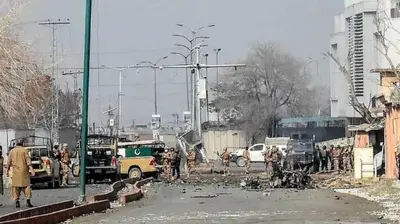
Over the past few days, Pakistan’s Balochistan has repeatedly witnessed escalations in violence. There have been allegations of attacks on various schools, banks, and militarily significant locations in the province. Last week, reports emerged of attacks at 12 such locations. The name of the Baloch rebel group, the Baloch Liberation Army (BLA), surfaced in connection with these attacks. Another rebel group, Tehreek-e-Taliban Pakistan (TTP), also has bases in this province.
According to Islamabad, after the BLA carried out attacks at 12 locations in Balochistan, 17 members of the security forces were killed. Thirty-one civilians also lost their lives. Following this, the Pakistani army has been conducting continuous operations against Baloch rebels since last Saturday. By Sunday evening, reports indicated that 145 Baloch rebels had been killed in the operation. On Monday, the figure was reported to have increased to 177. However, despite the ongoing military operation, by acknowledging the army’s limitations in Balochistan, Islamabad is believed to have signaled its own constraints.