
West Bengal Assembly Polls to Be Held in Two Phases on April 23 and 29
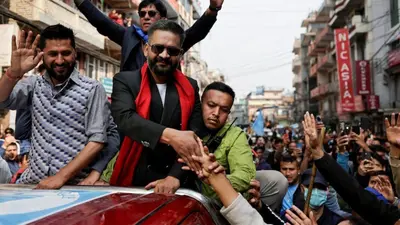
The bugle for the legislative assembly elections in five Indian states and union territories, including West Bengal, has been sounded. On Sunday (March 15), the Election Commission of India announced the polling schedule. Amid a heated political atmosphere, voting in West Bengal will be held in two phases on April 23 and April 29. The occupant of Bengal’s throne will be decided on May 4. The news was reported by NDTV.
According to the report, during the 2021 assembly elections, voting was held in eight phases amid the COVID-19 situation. However, this time the number of phases has been reduced to two at the request of political parties. The commission made this decision on the grounds that a long election schedule increases the cost of the ballot battle and reduces voter enthusiasm. Nevertheless, as always, there will be extra caution regarding the deployment of central forces in the state.
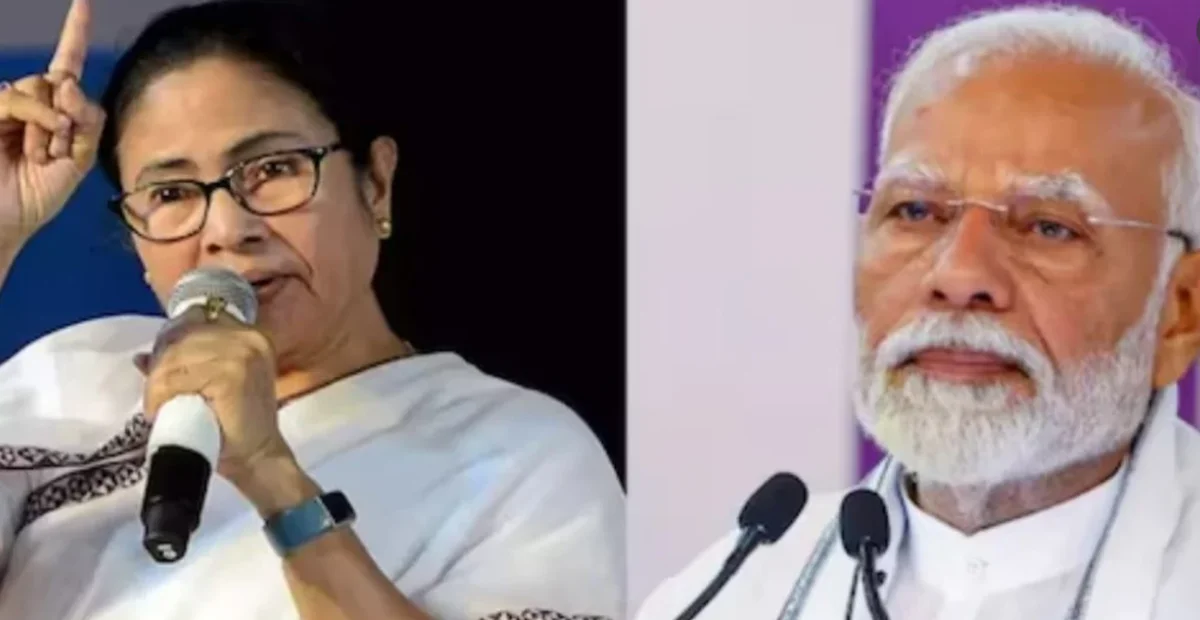
Seventy-one-year-old Trinamool chief Mamata Banerjee is entering the field with the aim of becoming Chief Minister for the fourth time. Despite the presence of anti-incumbency sentiment against her 15-year rule, her personal charisma and popular welfare schemes such as “Lakshmir Bhandar” remain the main hope of the Trinamool Congress. In the election campaign, Mamata is using “Bengali identity” and the “deprivation by the central government” as key issues. Recently, she delivered a masterstroke by increasing allowances for priests and muezzins and announcing dearness allowance (DA).
The Bharatiya Janata Party (BJP), which won 77 seats in the last election, is moving forward this time with the ultimate goal of capturing power. Under the leadership of state president Samik Bhattacharya and banking on the campaign of Prime Minister Narendra Modi himself, the lotus camp is challenging the Trinamool camp. Highlighting issues such as the teacher recruitment corruption scandal and the disgraceful incident at RG Kar Hospital, they plan to corner Mamata’s government on questions of law and order and corruption.
A major X-factor in this election could be the special revision of the voter list (SIR). Nearly 6.6 million voters’ names have been removed from the list, which is more than the vote margin between Trinamool and BJP in the last election. Trinamool views this as “depriving legitimate voters of their rights,” while the BJP says it is a process to free the list from “infiltrators.” Analysts believe this removal of voters could have a significant impact on the election results.
In the last election, the Left Front and Congress returned empty-handed without winning a single seat. This time they are fighting to preserve their existence. On the other hand, amid the bipolar contest between Trinamool and BJP, many equations will depend on how much vote they can cut.