

Zohran Mamdani’s Historic NYC Mayoral Win Strikes a Chord with Indian Muslims
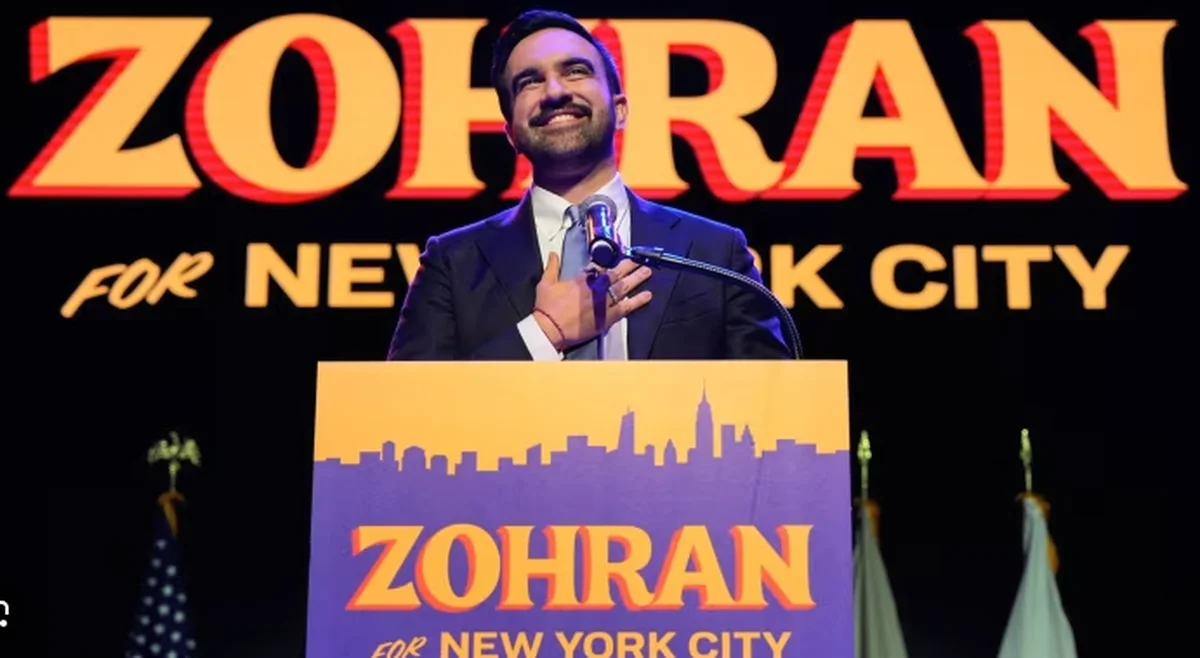
Zohran Kwame Mamdani’s election as mayor of New York City has sent ripples across Mumbai and Delhi. As a man of Indian, specifically Gujarati, heritage—like Indian Prime Minister Narendra Modi—Mamdani’s win would normally be celebrated in India. But there’s a crucial distinction: Mamdani is a Muslim and a vocal critic of India’s ruling Hindu nationalist Bharatiya Janata Party (BJP).
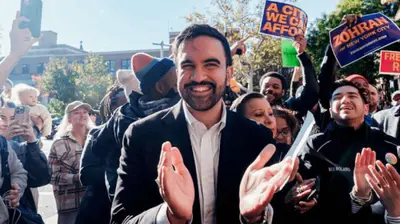
The 34-year-old Democratic Socialist and New York state assemblyman made headlines when video clips of his victory speech went viral. Quoting India’s first Prime Minister, Jawaharlal Nehru, Mamdani declared:
"A moment comes but rarely in history when we step out from the old to the new, when an age ends and when the soul of a nation long suppressed finds utterance. Tonight, New York has done just that."
He concluded his speech to the beat of Dhoom Machale, a popular 2004 Bollywood hit, while his Syrian-American wife Rama Duwaji, his Punjabi Hindu mother Mira Nair, and his Gujarati Shia Muslim father Mahmood Mamdani joined him on stage.
BJP’s Reaction
Mamdani’s Indian roots were on display throughout his campaign—he appeared in traditional Indian attire and faced racist backlash from right-wing commentators after a photo of him eating biryani with his fingers circulated online.
Indian BJP figures, however, remained largely silent on his victory. Ameet Satam, Mumbai BJP chief, vaguely warned about “changing colors of international cities” and hinted at Muslim mayors, while BJP MP Rekha Sharma urged the Indian diaspora in New York to vote against him.
Despite these warnings, Mamdani received strong support from New York’s 600,000-strong South Asian community, even as Hindu nationalist groups in the U.S. criticized him.
A Mirror to India
For many Indian Muslims, Mamdani’s victory is deeply symbolic. Writer and journalist Rana Ayyub called it “a mirror held up to India, reflecting both its lost promise and its lingering potential.”
“In India, the world’s largest democracy and home to over 220 million Muslims, there is not a single Muslim representative in the ruling coalition in Parliament,” she said.
Mamdani’s success evokes both pride and pain: pride in seeing someone of shared heritage attain visibility and influence, and pain in recognizing that similar opportunities are increasingly rare within India itself.
His Gujarati background adds another layer of significance. Gujarat, Mamdani’s ancestral home, witnessed deadly anti-Muslim pogroms in 2002, while Modi served as Chief Minister. During his campaign, Mamdani condemned Modi’s role in those events, calling him complicit in “mass slaughter of Muslims in Gujarat.” BJP spokespersons and supporters have dismissed Mamdani’s remarks as false and inflammatory.
Indian Leaders and Celebrities Respond
Opposition figures in India, by contrast, have praised Mamdani. Priyanka Gandhi, great-granddaughter of Nehru and Congress Party leader, lauded Mamdani for quoting Nehru in his speech. Shashi Tharoor called it “wonderfully apt” and congratulated filmmaker Mira Nair on her son’s “spectacular victory.” Comedian Kunal Kamra tweeted that Mamdani “Makes India more proud than both Adani & Ambani.”
Videos of Mamdani discussing Indian Muslim activist Umar Khalid, imprisoned for over five years without charge, also went viral. His father Mahmood Mamdani was seen reciting an Urdu couplet by poet Muhammad Iqbal: “He passionately jumped into the fire of love, while the wise ones dithered and watched from afar.”
For Indian Muslims and the diaspora alike, Zohran Mamdani’s victory is both a celebration of heritage and a stark reminder of challenges back home.
Source: Middle East Eye