


Trump Delays Strikes on Iranian Energy Sites Amid Disputed ‘Talks’ with Tehran
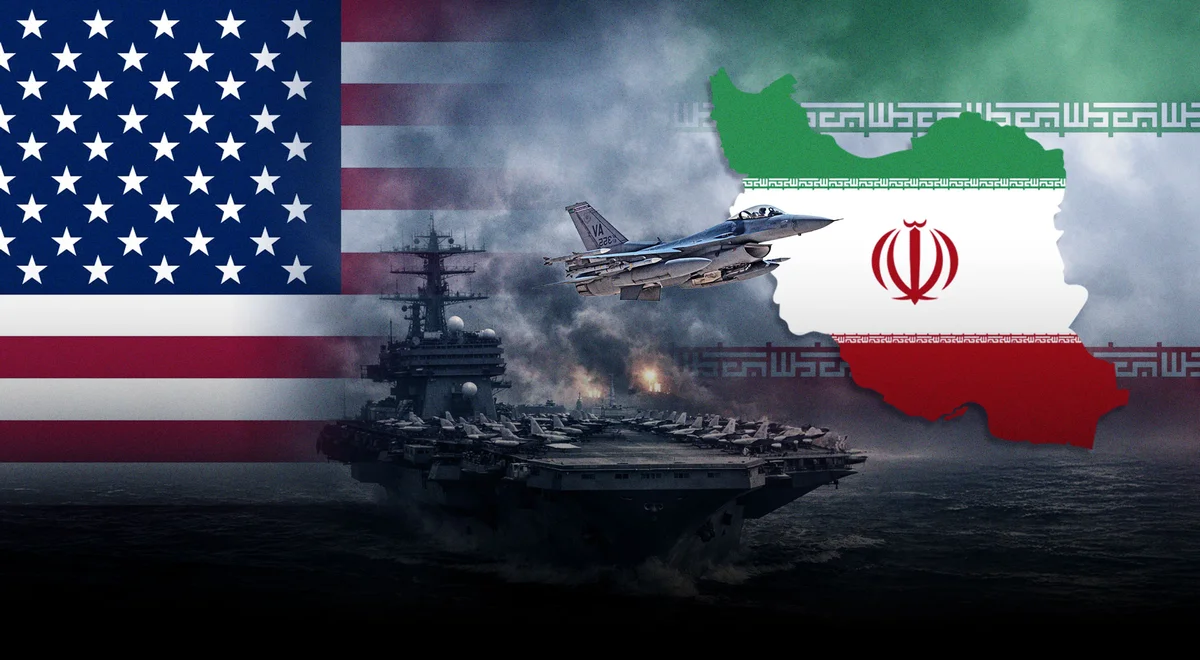
US President Donald Trump has ordered a temporary halt to planned strikes on Iranian energy infrastructure, claiming that “productive conversations” with Tehran prompted the decision. However, Iranian officials have firmly denied that any such discussions took place, deepening uncertainty amid an already volatile regional conflict.
In a statement issued monday, Trump said he had directed the Department of Defense to postpone attacks on Iranian power plants for five days. Speaking at a roundtable in Memphis, Tennessee, he expressed optimism about a potential breakthrough, stating there was a “very good chance” of reaching an agreement with Iran during this pause. He added that recent engagements had been “very, very good,” suggesting Tehran was responding to mounting US military pressure.
Tehran, however, rejected these claims outright. Iranian Parliamentary Speaker Mohammad Ghalibaf dismissed reports of negotiations as “fake news,” accusing Washington of attempting to manipulate global financial and oil markets. Iran’s Islamic Revolutionary Guard Corps (IRGC) also criticized Trump’s statements, calling him a “deceitful” leader whose contradictory actions would not distract from ongoing hostilities.
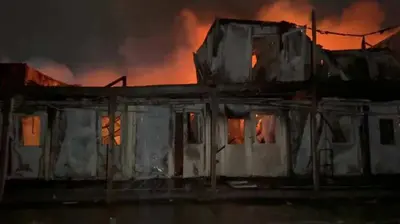
The announcement comes amid escalating tensions in a four-week conflict involving the United States, Israel, and Iran. Since February 28, when US-Israeli strikes began targeting Iranian positions, the region has witnessed significant casualties and infrastructure damage. Iran’s Health Ministry reports that at least 1,444 people have been killed and over 18,500 injured in the attacks. In retaliation, Iranian strikes have killed 15 people in Israel and seven US service members stationed in the region, with additional casualties reported in a military aircraft incident.
The conflict has also severely impacted global energy markets. Iran’s decision to restrict access to the Strait of Hormuz—a critical maritime route responsible for roughly one-fifth of global oil shipments—has heightened fears of a prolonged supply disruption. While Trump’s announcement briefly eased tensions, leading to a rebound in European markets and a reported 10% drop in crude oil prices, uncertainty remains high.
Meanwhile, Israel has expanded its ground operations in southern Lebanon, targeting Hezbollah positions and destroying key infrastructure, including bridges along the Litani River. These developments signal a widening scope of the conflict beyond Iran’s borders.
Humanitarian concerns are also mounting. The International Committee of the Red Cross (ICRC) has called for an immediate halt to attacks on essential infrastructure, warning of a potential “point of no return.” ICRC President Mirjana Spoljaric emphasized the danger posed by strikes near nuclear facilities, cautioning that such actions could lead to irreversible consequences.
Despite Trump’s assertions of diplomatic progress, conflicting narratives from Washington and Tehran underscore the fragile and uncertain nature of the situation. Reports suggesting possible talks in Pakistan later this week remain unconfirmed, and US officials have not publicly clarified the status of any negotiations.
With a reported aimed date of April 9 for ending the conflict, the coming weeks are likely to be critical in determining whether diplomacy can prevail over escalating military confrontation.