


Haunted by the Taliban: The Persistent Conflict Between Pakistan and Afghanistan
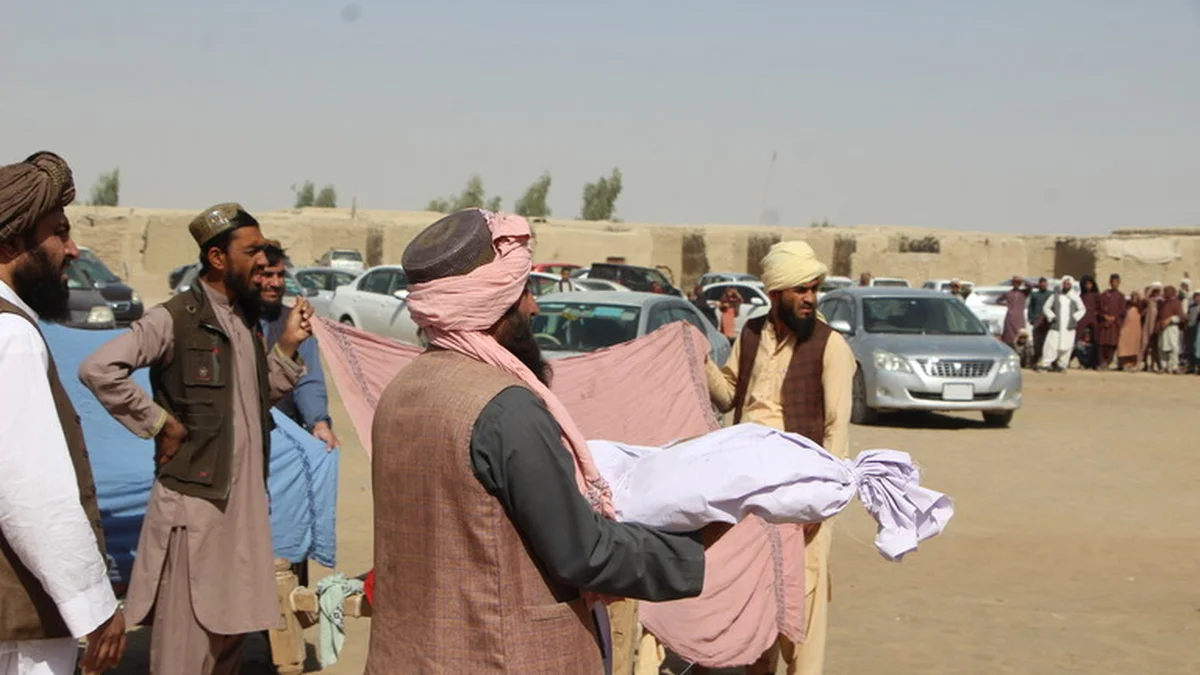
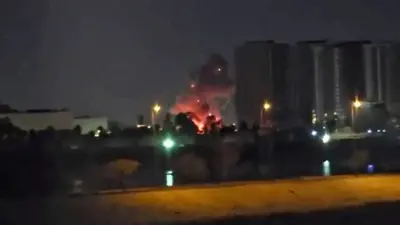
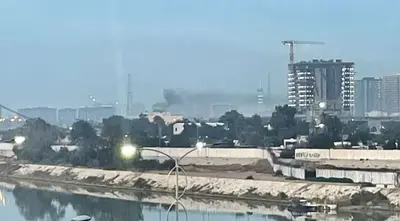
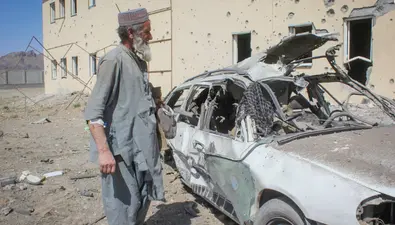
In October this year, deadly armed clashes erupted along the 2,640-kilometer Durand Line — the disputed border between Pakistan and Afghanistan. The fighting once again exposed the fragile peace and deep-rooted mistrust that continue to define relations between the two neighbors. Despite efforts by friendly nations to prevent escalation, both sides remain trapped in a cycle of violence, suspicion, and competing national interests.
A Fragile Ceasefire
Following several days of cross-border skirmishes, Turkey and Qatar mediated talks that led to a temporary ceasefire on October 18–19. However, the truce was short-lived. Within a week, new clashes broke out, causing fresh casualties on both sides.
Pakistan’s Defense Minister Khawaja Muhammad Asif emphasized that any sustainable agreement must include “clear, verifiable, and effective action” by Afghanistan against militant groups using Afghan territory to target Pakistan. Kabul, meanwhile, insists that it seeks peaceful relations and claims that the situation along the border has been exaggerated. Taliban spokesperson Zabihullah Mujahid reiterated Afghanistan’s willingness to continue dialogue, though the two sides remain far apart on key issues.
The Border That Divides and Connects
The roots of this conflict lie deep in history. The Durand Line, drawn by British colonial rulers in 1893, divided the Pashtun tribes that populate the mountainous frontier. Afghanistan has never formally recognized the line as an international border, viewing it as a colonial imposition. Pakistan, on the other hand, regards it as its legitimate frontier.
For decades, Islamabad’s attempts to fence the border and restrict traditional tribal movement have angered Afghan communities on both sides. These tribes have long crossed freely for trade, kinship, and seasonal migration. The fencing has disrupted livelihoods, heightened tensions, and fed anti-Pakistan sentiment inside Afghanistan.
Instability in Afghanistan has always spilled over into Pakistan’s border regions — particularly the former Federally Administered Tribal Areas (FATA), where militancy and religious extremism remain entrenched. Conversely, turmoil in Pakistan’s tribal belt often reverberates across Afghanistan, creating a loop of insecurity that neither government has managed to break.
The Ghost of the Taliban and the TTP Factor
The Taliban’s return to power in Kabul in 2021 initially gave Pakistan a sense of strategic success. Islamabad had long been accused of supporting the group as a way to secure influence in Afghanistan and limit India’s reach there. Yet this perceived victory quickly turned into a nightmare.
The Tehreek-e-Taliban Pakistan (TTP) — ideologically aligned with the Afghan Taliban — has reemerged as a major threat inside Pakistan. Despite repeated assurances, Kabul has been reluctant or unwilling to act decisively against the TTP, claiming that the group’s activities are an internal Pakistani issue. This refusal has led to frequent Pakistani airstrikes and border shelling targeting suspected militant bases, further straining ties.
Pakistan’s military has conducted several major operations to combat militancy in its northwestern tribal districts, including Operations Rah-e-Nijat, Zarb-e-Azb, and the more recent Operation Sarbakaf. Each campaign displaced thousands of civilians and temporarily reduced terrorist activity but failed to eradicate militancy altogether.
The TTP’s resurgence is also linked to Islamabad’s 2018 decision to merge the tribal areas into the Khyber Pakhtunkhwa province. Many local Pashtuns viewed the move as an attempt to dilute their traditional autonomy, while militant groups exploited the resentment to rebuild their networks.
Historical Burdens
The tension between Pakistan and Afghanistan is not new. During the Cold War, Pakistan positioned itself as a key US ally, helping fund and arm Afghan mujahideen against Soviet occupation in the 1980s. After the Soviets withdrew, Islamabad sought to shape Afghanistan’s post-war order by supporting various Islamist factions.
When the Taliban emerged from religious seminaries in Pakistan in 1994, Islamabad viewed them as a force capable of stabilizing Afghanistan under a friendly regime. The group seized Kabul in 1996 and maintained close ties with Pakistan until their ouster by US-led forces in 2001.
After two decades of war, the Taliban’s return to power in 2021 was initially hailed in Pakistan as a “strategic depth” victory. Yet the euphoria soon faded. The Taliban’s refusal to recognize the Durand Line, their harboring of TTP fighters, and growing hostility toward Islamabad have turned old allies into uneasy adversaries.
India’s Quiet Role
While Pakistan’s relations with the Taliban have soured, India has cautiously expanded its engagement with Kabul. New Delhi reopened its diplomatic mission and resumed small-scale development projects, even without formally recognizing the Taliban government. For Pakistan, India’s renewed presence in Afghanistan is a strategic setback — a reminder that its efforts to monopolize influence in Kabul have faltered.
Pakistan’s unease has occasionally spilled into military action. Drone strikes and cross-border shelling have coincided with diplomatic visits and political shifts in Kabul, suggesting that Islamabad remains wary of any external power gaining a foothold across its western frontier.
Ethnic Fault Lines and Domestic Pressures
At home, Pakistan faces mounting ethnic and political challenges. The Pashtun population, spread across both sides of the Durand Line, often feels marginalized by the Punjabi-dominated political and military establishment. Calls for greater autonomy or a Sharia-based governance model in tribal regions have clashed with Islamabad’s central authority.
The government’s decision to deport over 1.3 million undocumented Afghans in 2025 further fueled tensions. Many of these refugees had lived in Pakistan for decades, and their expulsion strained humanitarian resources and provoked sharp criticism from Kabul.
An Endless Cycle
The crisis along the Pakistan-Afghanistan border is not just a dispute over lines on a map — it is a clash of identities, ideologies, and histories. Both nations are haunted by the same ghosts: militant extremism, regional rivalries, and mistrust born of decades of interference.
Each time the two governments move toward dialogue, new provocations derail progress. Pakistan demands firm action against cross-border militants; Afghanistan insists on sovereignty and non-interference. The absence of an independent mechanism to monitor ceasefires and investigate incidents only adds to the uncertainty.
The Way Forward
Regional mediators like Turkey and Qatar continue to push for a lasting peace mechanism, but any agreement will remain fragile without mutual trust and international oversight. Stability will require more than ceasefires — it demands addressing the deeper grievances that fuel conflict: border disputes, displaced populations, and competing geopolitical ambitions.
For now, both countries remain prisoners of history. The Taliban’s return has not brought the stability Pakistan once hoped for, and Afghanistan’s isolation has deepened. The ghosts of past wars linger along the Durand Line, ensuring that this frontier remains one of the most volatile flashpoints in South Asia.
Source: RT