

How Afghan Women Are Thriving Despite Changing Rules
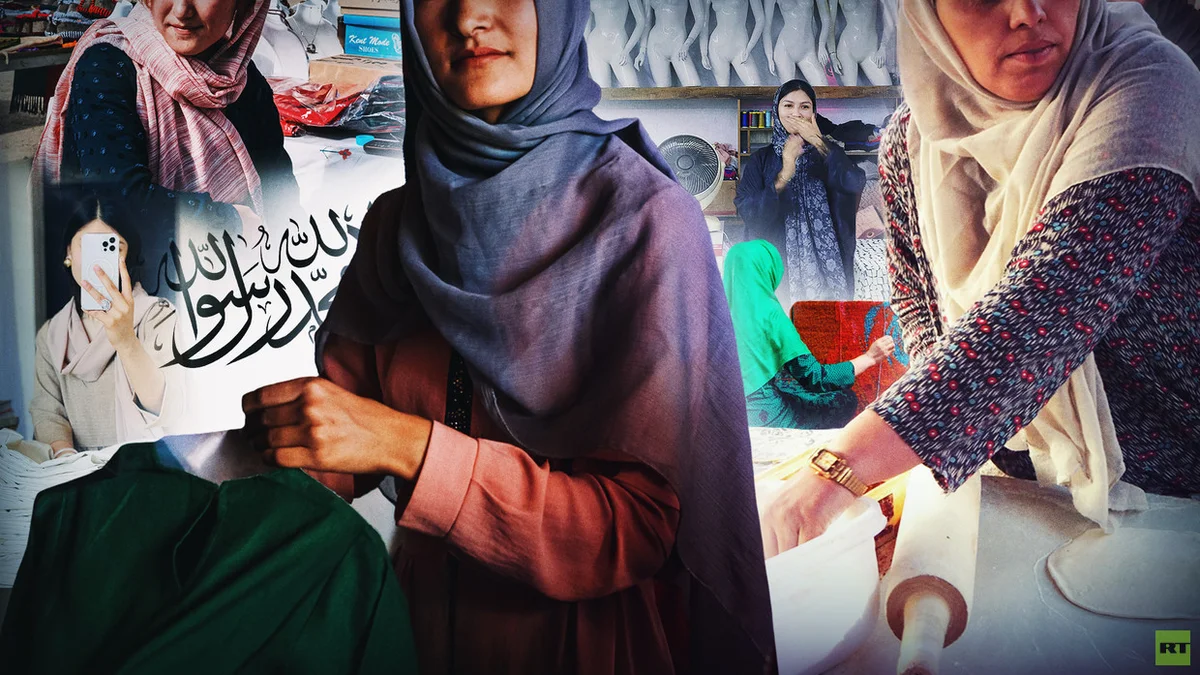
The old adage, “Hard times create strong men,” often attributed to G. Michael Hopf, applies equally to women. Afghan women today exemplify this resilience in the face of severe restrictions.
Since 2021, the Taliban has imposed strict limits on women’s employment. Women are prohibited from holding government positions, working with domestic and international NGOs, and occupying administrative roles. For instance, a 2024 decree ordered that female university staff be replaced by male relatives. In some provinces, women may only travel to work accompanied by a male guardian—husband, father, brother, or son. Taliban officials claim these rules are rooted in religious principles intended to protect women’s dignity, though the logic is difficult for outsiders to comprehend.
Despite these constraints, many women have found ways to earn a living while navigating societal and religious restrictions. Entrepreneurship has emerged as a key path, allowing women to balance cultural expectations with financial independence.
From Restrictions to Business Ventures
Take Nargees, a mother of five, who once worked as a health educator in Kabul. After the Taliban takeover, her outreach work ended—not due to a direct ban, but because women were no longer safe leaving their homes. With her husband unable to work and her children too young to contribute, she started selling bolani, a traditional stuffed flatbread, from a street cart. This small business provides her family with steady income and stability, a lifeline that extends beyond money to emotional security.
Similarly, Humaira, a former Quran teacher, now runs her own bolani cart. Adaptation is key: she complies with modesty rules, but continues to serve her community and support her family.
Women Innovating Within the System
Across Afghanistan, women are quietly reshaping the economic landscape. Organizations like the Afghanistan Women’s Chamber of Commerce and Industry (AWCCI) support female entrepreneurs through training, licensing, and market access. As of 2023, over 100,000 women operate businesses, many small-scale, like Nargees’ street cart.
Entrepreneurs like Samira Mohammadi, founder of the women-only restaurant “Banowan-e Afghan,” create jobs for vulnerable women while navigating government regulations. Even amid restrictions, such ventures thrive, offering income and empowerment.
Navigating Risk and Rebuilding Lives
For shop owners in Kabul’s Dashte-Barchi district, running a women-led business is both a necessity and an act of resilience. Former professionals—NGO workers, engineers, office employees—have reinvented themselves as artisans, seamstresses, and business owners, transforming setbacks into opportunities.
Needa, a beauty salon owner, faces constant challenges from religious authorities but continues her work with caution, understanding that financial independence often requires calculated risks.
Blending Tradition with Modernity
Young entrepreneurs like 20-year-old Diana Ekhlasi are using digital tools to sustain creativity and business. Forbidden from attending school after the Taliban takeover, she turned to social media to sell handmade products inspired by Afghan culture and global art. Diana’s designs merge traditional motifs, such as Rumi’s poetry and the Buddhas of Bamyan, with Western influences like Van Gogh’s art, creating unique items for a new generation of buyers.
Despite criticism and logistical challenges, these women persist, proving that adversity can inspire ingenuity. Their stories illustrate a broader truth: when faced with hardship, Afghan women are not waiting for opportunities—they are creating them.
Source: RT