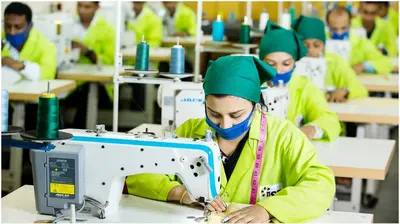


In Response to China, the US Plans Alliance With 'Friendly' Nations
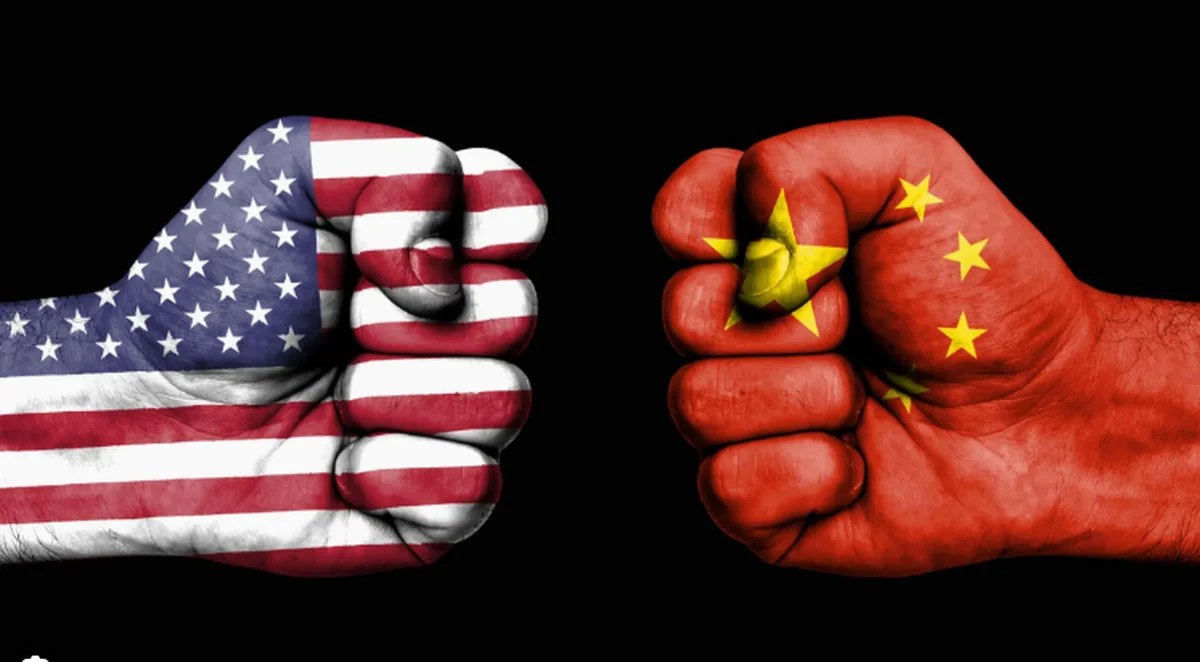
Angered by China’s new policy of restricting rare mineral exports, the United States is now moving toward forming an alliance. Under the leadership of President Donald Trump, the US is seeking to bring together friendly nations that are ready to stand united against China's monopoly. The proposed alliance is expected to include India, Australia, Canada, European countries, and other democratic nations in Asia.
US Treasury Secretary Scott Besant has stated that Washington wants to deliver a coordinated response to China’s rare earth export policy. He said, “The people of China cannot control global production and trade. We want to stand united against this.”
China currently controls nearly 70% of the world’s rare mineral supply. These minerals are critical in military, technology, and industrial sectors. Recently, Beijing announced that starting from November 1, it will regulate the export of these minerals and will not allow sales if there is a risk of military use. In response, President Trump has announced a 100% tariff hike on Chinese products, which would raise the total tariff to 130%.
Besant also mentioned that talks with representatives from Europe, India, and other countries are scheduled for this week. He expressed hope that sufficient cooperation will be received from these nations.
However, India’s position remains somewhat uncertain. Due to its purchase of crude oil from Russia, the US has imposed a 50% tariff on India. Amid this situation, New Delhi has increased its engagement with China. As a result, doubts have arisen about whether India will stand with the US on the rare mineral issue.
Analysts say the US aims not only to reduce China’s economic influence through this alliance but also to create an alternative global framework to manage the supply and pricing of rare minerals. This could open new opportunities for developing countries as well.
If the initiative succeeds, it may bring a significant shift in China’s dominance over the global rare mineral market. However, India’s decision could be one of the key factors determining the future of this alliance.