

Peace Talks Between Pakistan and Afghanistan Collapse Amid Deep Mistrust
After four days of negotiations, the once-allied South Asian neighbors, Pakistan and Afghanistan, failed to reach a lasting ceasefire. Despite mediation efforts by Turkey and Qatar during successive talks in Istanbul, no agreement was achieved. Pakistan blamed Afghanistan for the breakdown of talks, while Kabul in turn accused Islamabad’s delegation. Analysts say there is little hope that the ongoing tension between the two countries will ease anytime soon. (Sources: Al Jazeera, AFP)
However, officials involved in the discussions said that “final efforts” are being made to prevent the two countries from sliding into full-scale conflict. Yet, analysts fear that even after the ceasefire agreement in Doha, its failure to take effect has reignited hostility between the two sides.
Pakistani security officials said that discussions lasted nearly 18 hours on Monday. They accused the Afghan delegation of changing its stance on Islamabad’s key demand — taking firm action against Tehrik-i-Taliban Pakistan (TTP).
An official, speaking to Al Jazeera on condition of anonymity, said that “instructions from Kabul” were making the Afghan delegation’s position more complicated.
Afghanistan, on the other hand, blamed Pakistan’s delegation for the failure, citing a “lack of coordination.” Afghan media reported that the Pakistani side “failed to present clear arguments” and even “walked away from the negotiating table.”
The Afghan delegation was led by Haji Najib, Deputy Minister for Administrative Affairs at the Interior Ministry, while Pakistan did not disclose the names of its negotiators.
Following the collapse of the ceasefire talks, Pakistan’s Information Minister Attaullah Tarar warned that his country would take measures to protect its citizens. In a post on social media platform X (formerly Twitter) on Wednesday, he said:
“Unfortunately, there were no assurances from Afghanistan. They deviated from the core issues, engaged in blame games and deceit. Under such circumstances, no effective solution could be reached.”
The information minister said Pakistan entered the talks with a spirit of peace. He accused Kabul of giving “unfettered support to anti-Pakistan terrorists” and said:
“We will continue to take all possible measures necessary to protect our people from the threat of terrorism.”
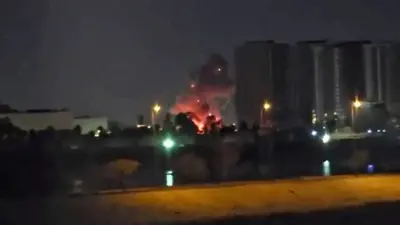
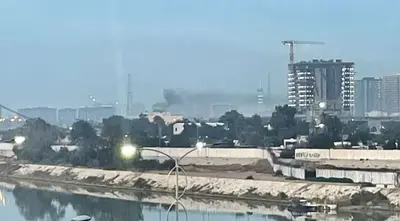
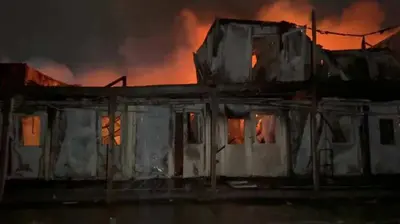
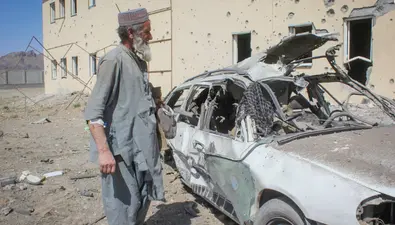
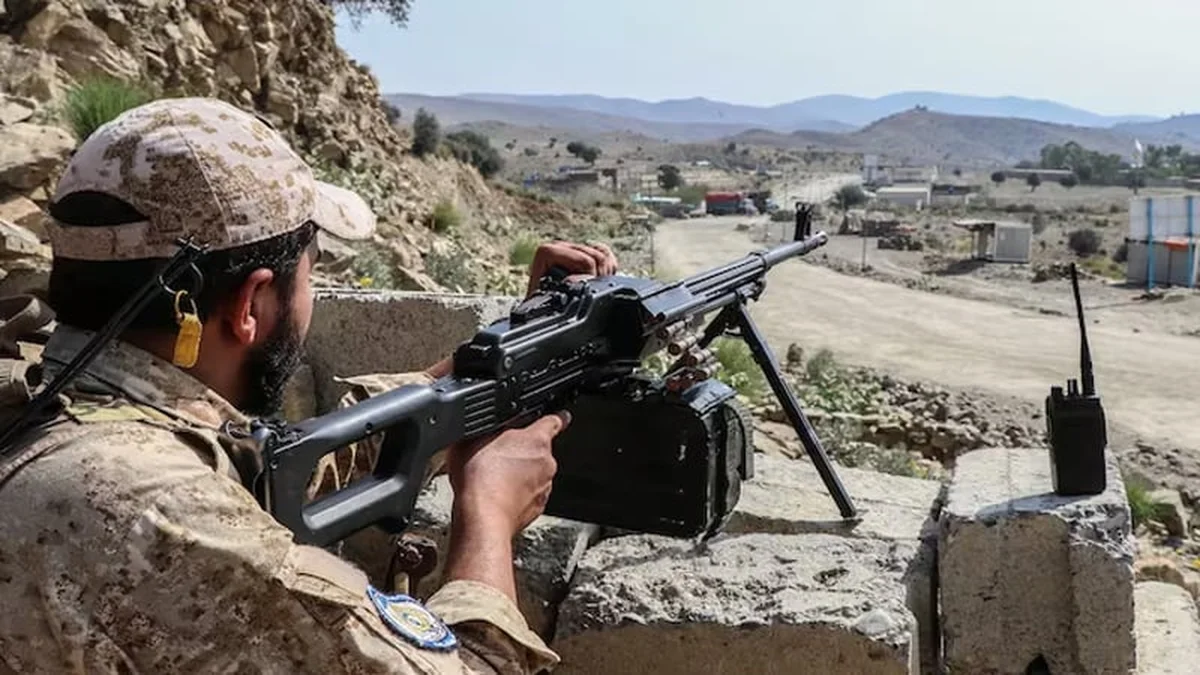
On October 9, the Taliban authorities blamed Pakistan for an explosion in Kabul. Soon after, the deadliest border clashes in recent years erupted between the two neighbors. The Taliban claimed that Pakistan carried out airstrikes in Kabul, prompting gunfire along the border. Pakistan, meanwhile, alleged that Taliban forces opened fire on civilians, forcing Pakistani troops to retaliate.
After the initial 48-hour ceasefire expired, a second ceasefire was brokered in Doha on October 19. Later, a new round of peace talks was arranged in Istanbul to reach a formal peace agreement.
Pakistan and the Afghan Taliban were once allies, bound by mutual security interests. After the Taliban’s return to power in Afghanistan in 2021, Islamabad began accusing Kabul of harboring the militant group Tehrik-i-Taliban Pakistan (TTP). In the latest round of border clashes last week, hundreds of people were reportedly killed. Following the Doha peace talks, both countries had agreed to end hostilities and work toward “lasting peace and stability.”
Quoting the Qatari Foreign Ministry, Al Jazeera reported that after the Doha discussions between Pakistan and Afghanistan, “both sides agreed to an immediate ceasefire and to establish mechanisms aimed at consolidating lasting peace and stability between the two countries. They also agreed to hold follow-up meetings to ensure the sustainability of the ceasefire and to monitor its implementation through reliable and enduring measures. This will contribute to achieving security and stability in both nations.”
According to Pakistan-based think tank Center for Research and Security Studies (CRSS), at least 2,414 people were killed in cross-border conflicts between the two countries in the first three months of this year alone. Last year, 2,546 people were killed in similar clashes. Violence along the border has intensified since the ouster of former Prime Minister Imran Khan. Moreover, after Pakistan began deporting Afghan refugees, the TTP reportedly became more aggressive. Currently, around three million Afghan refugees remain in Pakistan, having fled decades of conflict.