
Deception in the Name of Tariff Concessions
Bangladesh Must Purchase U.S. Agricultural Products Worth 42 Thousand Crore Taka Annually
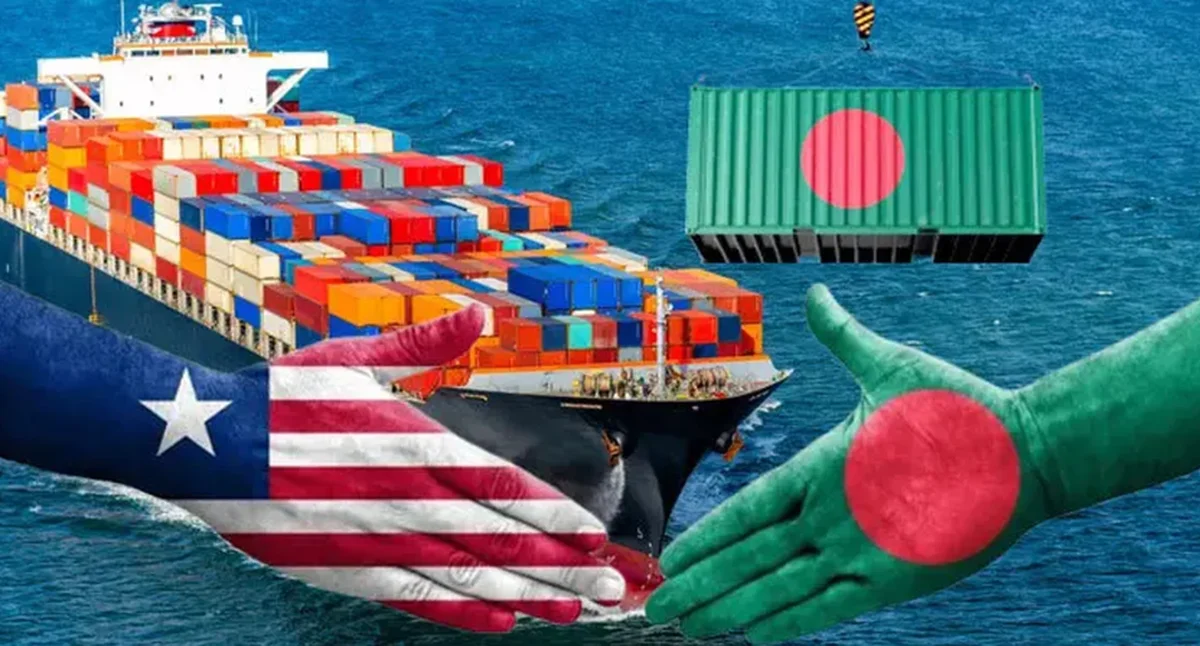
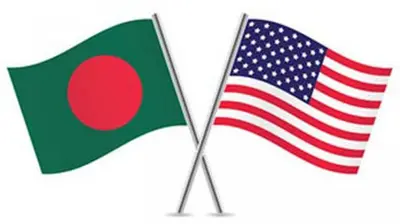
Discussions have begun in the country regarding the recently signed reciprocal tariff-related trade agreement with the United States. Under the agreement, garments made from U.S. cotton will receive duty-free access to the U.S. market. At the same time, the reciprocal tariff imposed on Bangladesh has been reduced from 20 percent to 19 percent. However, in return, Bangladesh will have to purchase agricultural products worth 42 thousand crore taka annually. In other words, in the name of tariff concessions, a new pressure has actually been created on Bangladesh.
According to the agreement, within the next one to one and a half years, Bangladesh will have to import an additional 1.5 billion dollars’ worth of agricultural products from the United States. It is being claimed that this will reduce the existing trade deficit between the two countries by 6 billion dollars. Imports of various products, including wheat, soybean oil, corn, cotton, aircraft and spare parts, and liquefied natural gas, have already begun.
Economists say that although this agreement will bring some benefits to Bangladesh’s ready-made garment sector, it will create significant pressure on the agricultural sector. Because if a large volume of agricultural products is imported from the United States, local farmers will not be able to survive in competition. Domestic production of products such as wheat, corn, or soybeans will be disrupted. As a result, farmers will suffer losses and the rural economy will become weaker.
In addition, importing agricultural products from the United States will increase pressure on foreign currency reserves. To purchase agricultural products worth 42 thousand crore taka annually, a large amount of dollars will have to be spent from the reserves. This may further destabilize the country’s import-export balance.
Under the agreement, the United States has announced that 2,500 Bangladeshi products will receive duty-free or reduced-duty access. However, in reality, Bangladesh’s main export product to the U.S. market is ready-made garments. Although other products may have market access, their demand is limited. Therefore, it will not be possible to fully utilize the benefits of tariff concessions.
According to economists, although garments made from U.S. cotton will receive duty-free benefits, the obligation to import agricultural products in return is nothing more than a “Shubhonkor’s trap” for Bangladesh. Because while the benefits for the garment sector are limited, the losses to the agricultural sector will be long-term.