
New UK Visa Framework Triggers ‘Silent Suspension’ for Bangladesh and Pakistan
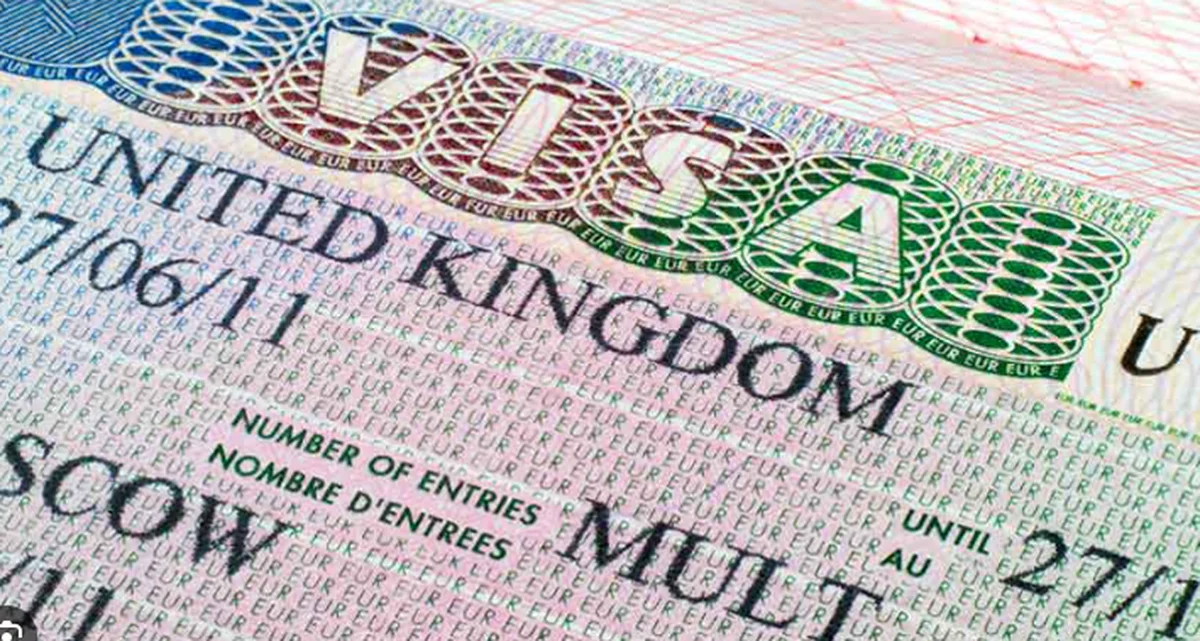
The United Kingdom government’s controversial “emergency brake,” or visa suspension mechanism, is currently in effect for four countries. Student visas for citizens of Afghanistan, Cameroon, Myanmar, and Sudan are now completely halted. Meanwhile, UK Home Secretary Shabana Mahmood has announced a new “compliance-based” border control system, which will effectively act as an “indirect restriction” for high-risk countries such as Bangladesh and Pakistan.
The new “red-amber-green” framework, set to take effect from June 1, is bringing significant changes to the UK’s higher education sector. Under the previous rules, a visa refusal rate of up to 10 percent was tolerated. However, under the new system, if a university’s student visa revocation rate exceeds 5 percent, it will be classified as “red-listed.” The biggest challenge, however, is remaining in the “green” category, which requires keeping the revocation rate below 4 percent. If a university falls into the “red” category, its license will not be immediately revoked, but its new student intake quota will be reduced by at least 10 percent, and the institution will be placed under a final warning.
In the case of Bangladesh and Pakistan, this policy has already created what is being described as a “silent suspension.” Internal data from the Home Office suggests that visa revocation rates for countries in this region are currently at least three times higher than the 4 percent target. As a result, many leading UK universities have temporarily halted new student recruitment from Dhaka and Islamabad to protect their licenses. This means that, even without any formal diplomatic ban, the number of students arriving from these countries is expected to decline sharply.
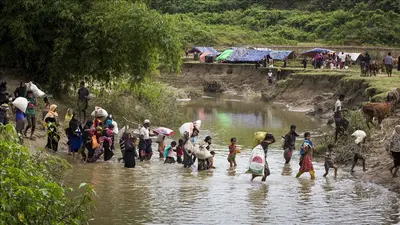
Alongside tightening visa policies, Home Secretary Shabana Mahmood has also introduced major changes to the asylum system. Under the “core protection” status, which came into effect in March this year, individuals who enter the UK on valid visas and then apply for political asylum will no longer be eligible for permanent residency. Instead, they will receive a temporary permit that must be renewed every 30 months. To apply for permanent settlement, they will now need to wait continuously for 20 years. Additionally, those granted work rights under this category will only be allowed to work in highly skilled or degree-level professions, effectively blocking their access to the general labor market.
Further stricter measures are being indicated through the “Family Returns” consultation process, which is set to conclude on May 28.
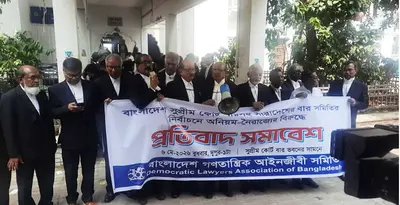
Commenting on the issue, Barrister Salah Uddin Suman said on Friday that if the new policy is implemented, it will become easier to return the entire family of any student or worker who applies for asylum in the UK back to their home country quickly.
Home Secretary Shabana Mahmood stated that during the 18-month monitoring period, those who fail to maintain compliance will face inevitable formal suspension.