Can Bangladesh Forge Better Relations with India Under Tarique Rahman’s Leadership?
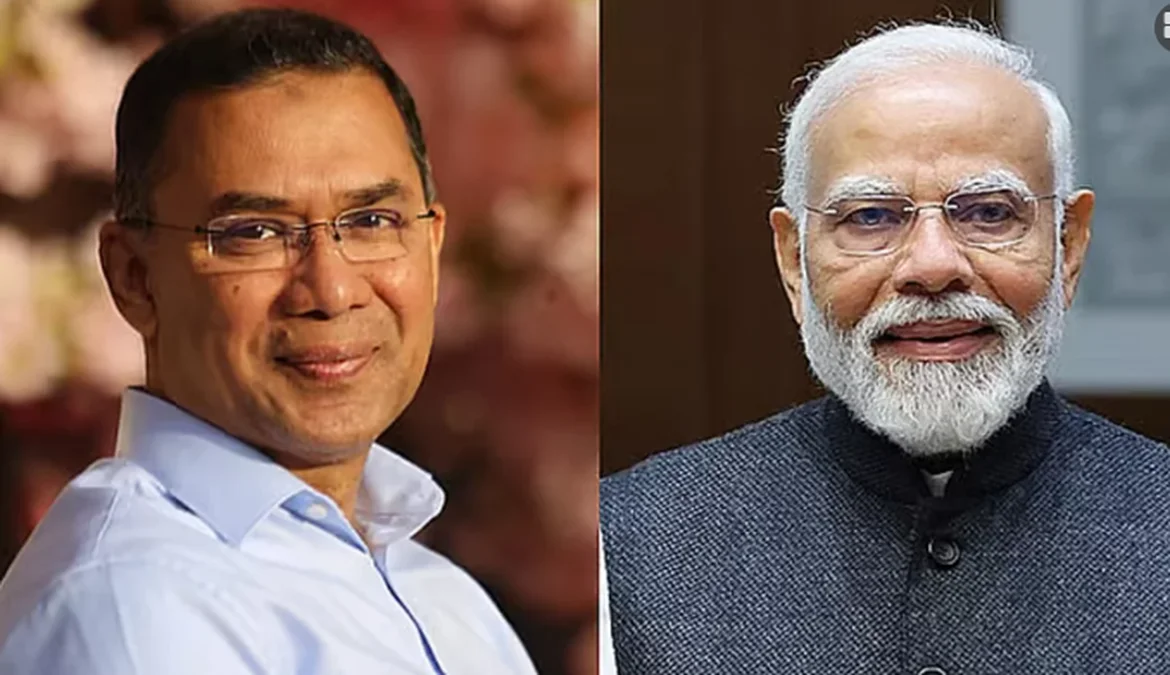
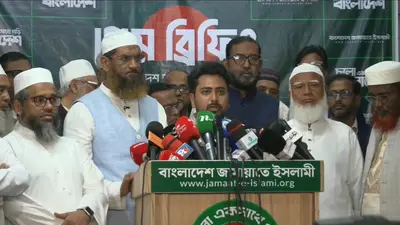
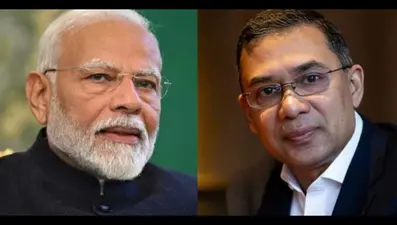
After winning a landslide victory in Thursday’s general election, the Bangladesh Nationalist Party (BNP) led by Tarique Rahman has drawn a measuredly warm response from New Delhi. Indian Prime Minister Narendra Modi congratulated the 60‑year‑old BNP leader on his party’s historic triumph and reaffirmed India’s support for a democratic, progressive, and inclusive neighbor. He also expressed his hope to work closely to strengthen multifaceted ties between the two countries.
The tone of Modi’s message appeared both forward‑looking and cautious. Relations between Dhaka and New Delhi deteriorated significantly after Bangladesh’s July 2024 Generation‑Z‑led uprising, when then‑Prime Minister Sheikh Hasina fled to India an episode that deepened distrust on both sides.
In this year’s election, the long‑established Awami League was not allowed to contest. Many Bangladeshis believe that New Delhi’s backing of Sheikh Hasina increasingly seen as authoritarian in her later years contributed to past tensions between Dhaka and Delhi. Border killings, water disputes, trade restrictions, provocative rhetoric, suspended visa services, reduced cross‑border rail and bus links, and even reduced Dhaka‑Delhi flights have added to strains.
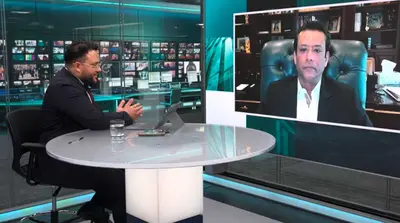
Yet analysts say these frosty ties can be mended, but it will require patience and mutual goodwill. Abhinash Paliwal, a politics and international relations professor at SOAS University of London, noted that the BNP is one of the most experienced and moderate parties in Bangladesh’s political landscape, potentially making it a “safe bet” for India to move forward with.
Bangladesh’s complicated history with India includes periods of deep mistrust during past BNP–Jamaat coalition governments, while events like a 2004 arms seizure in Chittagong and cancelled diplomatic meetings intensified suspicions. In contrast, during Hasina’s 15‑year rule, New Delhi secured strategic cooperation on security, connectivity, and development and Dhaka even accepted India’s $500 million line of credit for defense equipment.
Recently, India’s External Affairs Minister S. Jaishankar visited Dhaka to attend the funeral of former Prime Minister Khaleda Zia, meeting with Tarique Rahman there. A BNP rally slogan “Not Delhi, not Rawalpindi Bangladesh first” signals a clear desire from the party to assert independent foreign policy priorities.
Despite all challenges, geographic realities and economic interdependence including India as Bangladesh’s largest export market and key defense partner underscore that estrangement is not sustainable. Analysts suggest that repairing ties will depend on whether both sides curb antagonistic rhetoric and choose cooperation over confrontation.