



CONSTITUTION REFORM COUNCIL
Experts divided over legality of MPs’ second oath
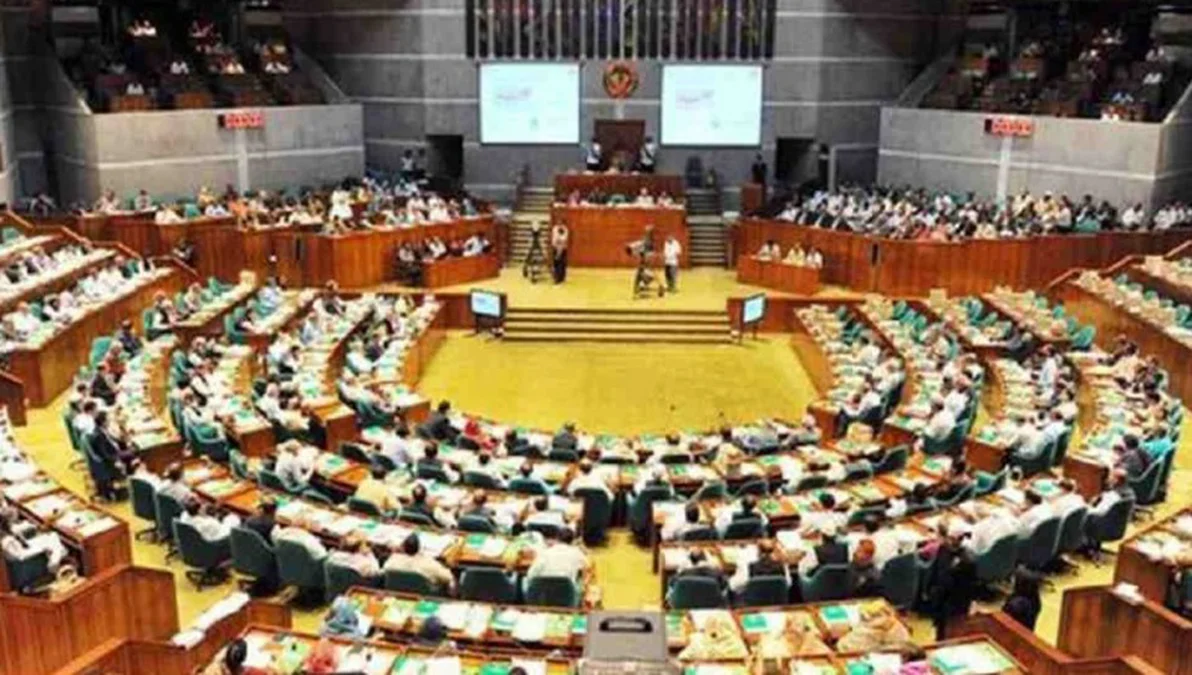
Legal experts have expressed sharply differing opinions on whether lawmakers can legally take a second oath as members of the Constitutional Reform Council in addition to their parliamentary oath.
Lawmakers-elect are scheduled to take two oaths one under Article 148 of the constitution and another under the July National Charter (Constitutional Reform) Implementation Order, 2025 on Tuesday morning, according to parliament secretariat secretary Kaniz Moula.
The Bangladesh Nationalist Party (BNP) and Bangladesh Jamaat-e-Islami have confirmed that their elected lawmakers will take both oaths, including the one as members of the Constitutional Reform Council.
BNP standing committee member Khandaker Mosharraf Hossain stated that the party had signed the July National Charter and would follow the Implementation Order. He said BNP lawmakers would comply with the directive. Jamaat assistant secretary general and spokesperson Ahsanul Mahboob Zubair also confirmed that their party’s lawmakers would take the oath as reform council members in line with the order.
However, senior lawyers Shahdeen Malik, Ahsanul Karim, and Manzill Murshid argued that the second oath lacks constitutional and legal validity. They described the July Charter Implementation Order as unlawful, maintaining that the president does not have the authority to issue such an order under the existing constitution.
They pointed out that presidential orders were historically issued only when the constitution was suspended or absent circumstances that do not apply following the student-led uprising that ousted the Sheikh Hasina-led Awami League government on August 5, 2024.
Shahdeen Malik said that lawmakers were elected as members of parliament, not as members of a Constitutional Reform Council, emphasizing that only the parliamentary oath is constitutionally recognized.
Manzill Murshid stated that constitutional reform must proceed under Article 142, which requires a two-thirds majority in parliament along with presidential assent. He added that any reform initiative should be undertaken by parliament after a BNP-led alliance assumes office. Ahsanul Karim shared a similar view.
In contrast, senior lawyers Sharif Bhuiyan, Ruhul Quddus Kazal, and Tanim Hussain Shawon offered a different perspective. They argued that the July Charter gained political legitimacy through the February 12 referendum and reflects the will of the people under Article 7 of the constitution, as well as the broader political consensus formed after the July uprising.
Sharif Bhuiyan said that the interim government and reform process emerged from the July uprising and were grounded in popular mandate. Ruhul Quddus Kazal noted that while the second oath may not be constitutionally mandatory, it reflects political consensus among major parties. Tanim Hussain Shawon added that many actions of the interim government have been guided by the spirit of the July uprising and public demand for political reform.
Earlier, chief adviser’s special assistant Ali Riaz said that political parties have a moral and political obligation to implement the verdict of the 2026 referendum. He stated that the July National Charter (Constitutional Reform) Implementation Order, 2025 provides for the formation of a Constitutional Reform Council comprising elected lawmakers.
Ali Riaz, former head of the Constitution Reform Commission and vice-president of the National Consensus Commission, said lawmakers-elect would take two oaths one as members of parliament and another as members of the Constitutional Reform Council. He added that the council must complete constitutional reforms within 180 working days from the first sitting of parliament and would be dissolved upon completing its mandate.
According to the Implementation Order, the council will elect a chair and deputy chair during its first session, while a temporary head will be selected by senior members through a majority vote.