

UN Voices Firm Opposition to Death Penalty After Verdict Against Sheikh Hasina
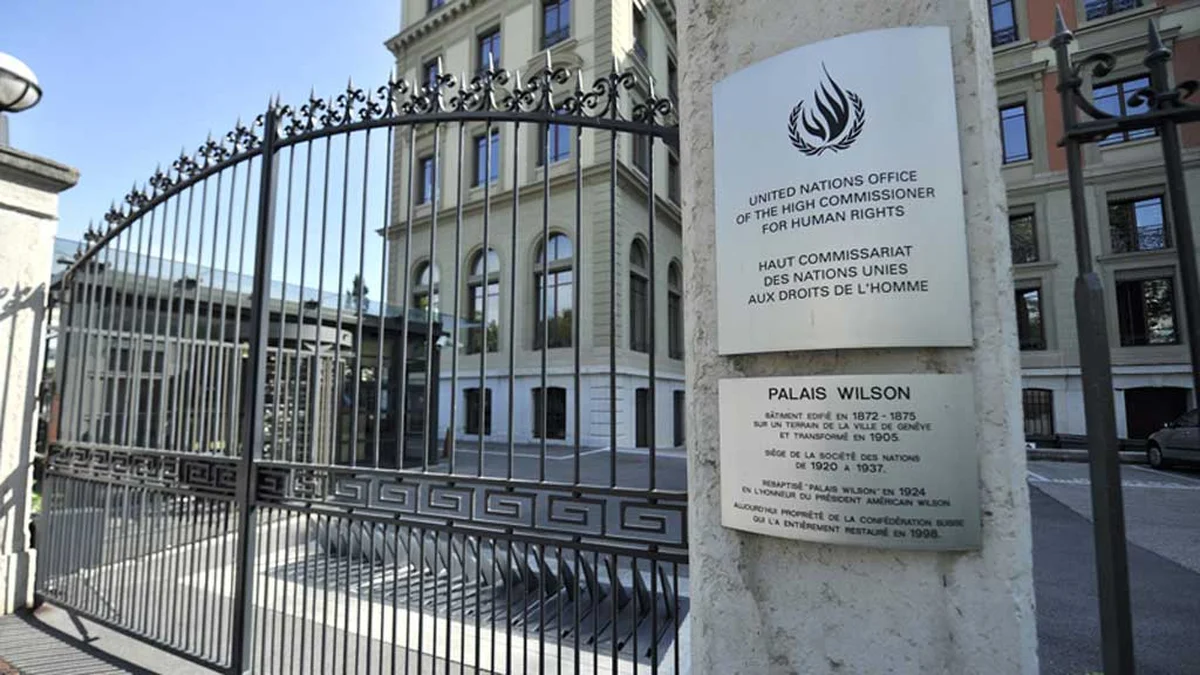
The Office of the UN High Commissioner for Human Rights (OHCHR) has expressed concern over the verdict issued against former prime minister Sheikh Hasina, emphasising the need for due process, adherence to fair-trial standards, and the organisation’s categorical opposition to the death penalty.
On Monday, OHCHR spokesperson Ravina Shamdasani said in a statement that the verdicts represented “an important moment for victims” of last year’s protest crackdown. She noted that although the UN body was not directly involved in observing the trial, it has consistently stressed that all accountability processes—especially those involving allegations of international crimes—must fully comply with international standards of due process and fair trials.
“This is particularly crucial when, as in this case, the proceedings were conducted in absentia and resulted in a capital punishment sentence,” she said.
Reaffirming the UN’s long-standing position, Shamdasani added, “We also regret the imposition of the death penalty, which we oppose in all circumstances.”
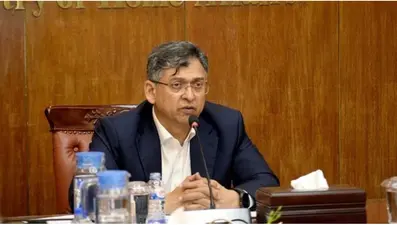
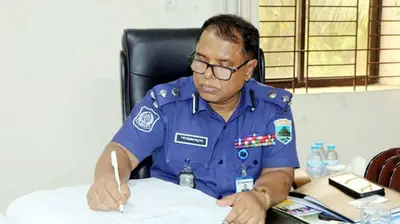
The statement came shortly after Bangladesh’s International Crimes Tribunal sentenced Sheikh Hasina and former Home Minister Asaduzzaman Khan to death on charges related to crimes against humanity during the July Uprising. Chowdhury Abdullah Al-Mamun, who served as police chief during the period, was also convicted but received a reduced sentence of five years after testifying as a state witness.
The case involved five charges, including accusations of incitement, provocation, and orders to kill during the July Uprising, along with allegations of “superior command responsibility” and participation in a “joint criminal enterprise” that prosecutors said contributed to the deaths of 1,400 people.
ICT Chief Prosecutor Tajul Islam dismissed suggestions that the ruling was politically motivated, stating: “We believe this verdict is not any kind of revenge for the past. It reflects the nation’s commitment to justice. This verdict proves that no matter how powerful or influential the accused may be, they are not above the law.”
Shamdasani also relayed the position of UN High Commissioner for Human Rights Volker Türk, who expressed hope that Bangladesh would undertake a “comprehensive process of truth-telling, reparation and justice” as a path toward national healing and reconciliation.
According to the OHCHR statement, such a process should include “meaningful and transformative security sector reform, in line with international standards, to ensure that these violations and abuses are never repeated.”
She added that the OHCHR “stands ready to support the Government and people of Bangladesh in these efforts.”
“The High Commissioner calls for calm and urges everyone to exercise restraint in response to these developments,” she concluded.
Source: bdnews24