


Dhaka Now the World’s Second Biggest City, Population Hits 36.6 Million: UN
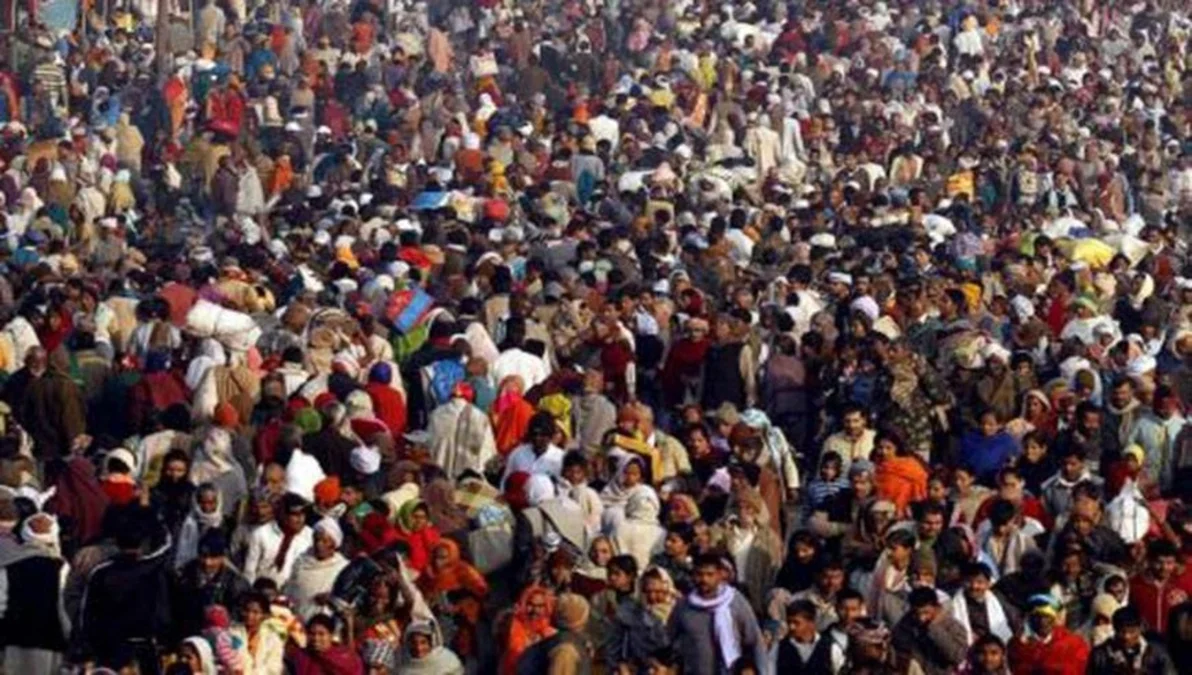
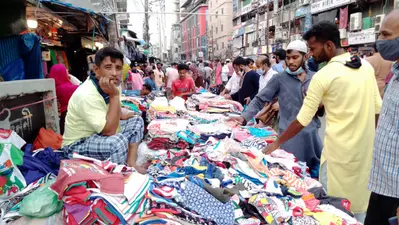
A new United Nations report reveals that Indonesia’s capital, Jakarta, has become the world’s largest city with a population of 41.9 million. Bangladesh’s capital Dhaka now ranks second with 36.6 million people.
According to the UN’s World Urbanisation Prospects 2025 report, Tokyo’s population has remained relatively stable at 33.4 million, moving it down to third place. Dhaka, one of the world’s most densely populated capitals, has jumped from ninth to second and is projected to become the world’s largest city by 2050.
The report underscores Asia’s dominance in global urban expansion, noting that nine of the world’s top ten megacities are located on the continent.
Other cities in the top ten include New Delhi (30.2 million), Shanghai (29.6 million), Guangzhou (27.6 million), Manila (24.7 million), Kolkata (22.5 million), and Seoul (22.5 million). Egypt’s Cairo, with 32 million people, is the only non-Asian city on the list.
Dhaka’s rapid growth is largely driven by migrants escaping rural areas affected by flooding, erosion, and other climate-related impacts, along with those seeking better economic opportunities, the report says.
Jakarta faces similar challenges, with rising sea levels threatening to submerge up to one-fourth of the city by 2050, according to Al Jazeera.
The UN reports that the number of megacities—urban areas with populations exceeding 10 million—has risen to 33, compared to only eight in 1975.
Although Indonesia is building a new capital, Nusantara, the UN estimates that Jakarta’s population will continue expanding, adding another 10 million people by mid-century. This rapid growth has raised concerns about inequality and affordability, issues that have already triggered public protests.
The report also highlights that Tehran, Iran’s capital, now home to nine million people, is experiencing severe water shortages, forcing the government to impose rationing measures.
For its latest assessment, the UN adopted a new global definition of cities to reduce cross-country inconsistencies. A city is now defined as a contiguous area of grid cells with at least 1,500 people per square kilometre and a minimum total population of 50,000.