
Maha Saptami Celebrated with Grandeur and Devotion Across Bangladesh
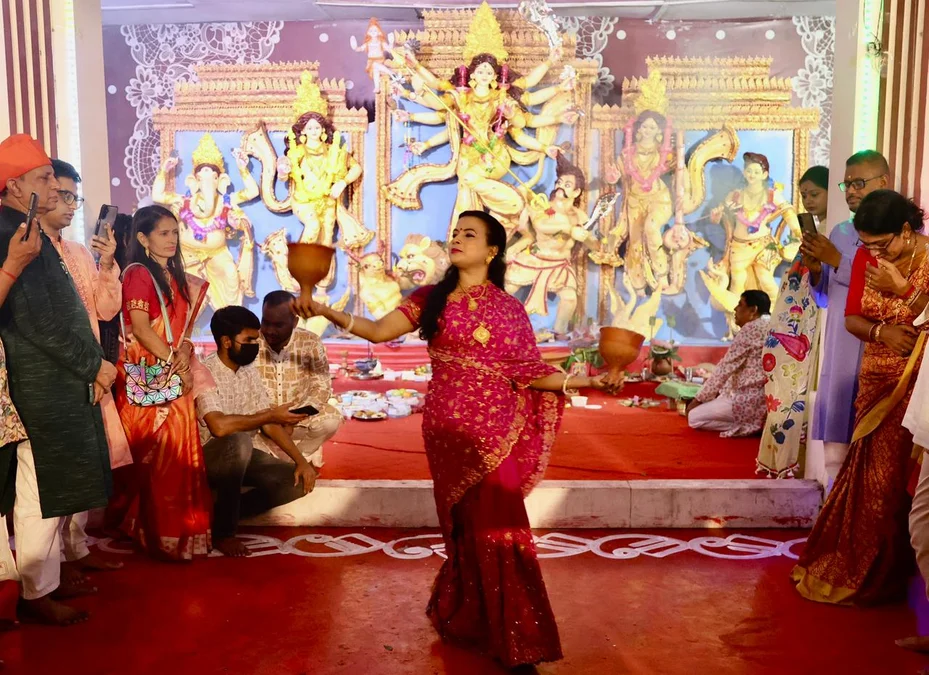
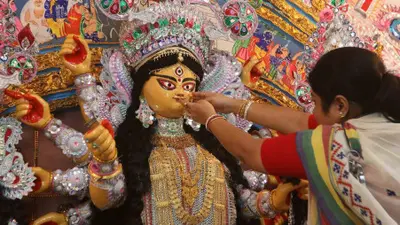
Maha Saptami, the second day of the five-day Sharadiyo Durga Puja, was observed on Monday with deep religious devotion and joyous celebration across Bangladesh.
Temples and temporary mandaps around the country saw large gatherings of devotees and visitors, as beautifully crafted idols of Goddess Durga were formally installed during Maha Shasthi on Sunday.
Although the puja officially commenced on Maha Shasthi, crowds began to pour into mandaps and puja pandals from Maha Saptami morning.
Wearing traditional red and white sarees and panjabis, a large number of devotees were seen visiting puja venues across the country throughout the day.
Temples and mandaps have been brightly illuminated and gorgeously decorated to mark the occasion.
Earlier in the day, Maha Saptami rituals were performed nationwide. As part of the traditional Nabapatrika ritual, nine plants—including a banana tree—were tied together, wrapped in a white saree with red borders, bathed in river or pond water (symbolically representing the Ganges), and placed next to Lord Ganesha.
This symbolic banana tree is often referred to as 'Kolabou' or the 'banana-bride.' Though some believe it to be a consort of Lord Ganesha, it is actually a representation of Goddess Durga. The Nabapatrika comprises nine plants, each symbolising a different form of the goddess—Brahmani (banana), Kalika (colocasia), Durga (turmeric), Kartiki (jayanti), Shiva (wood apple), Raktadantika (pomegranate), Sokrahita (ashoka), Chamunda (arum), and Lakshmi (paddy).
Following the Nabapatrika ritual, Maha Saptami puja was offered to Goddess Durga in temples and mandaps across the country. Devotees, many of whom observed fasting, later offered Anjali (floral offerings) to the goddess.
After the puja, prashad—food and water offered to the deity—was distributed among the devotees.
Similar rituals took place in temples throughout Bangladesh, including in the capital, Dhaka.
This year’s five-day Sharadiyo Durgotsab began with Kalparambho on Sunday (September 28) and will conclude with the immersion of idols on Bijoya Dashami, scheduled for October 2.
The third day of the festival, Maha Ashtami, will be celebrated on Tuesday. The day will feature significant rituals such as the offering of Anjali and the sacred Kumari Puja, where a prepubescent girl is worshipped as a living incarnation of Maa Durga. Dressed in new clothes and adorned with floral ornaments, the Kumari symbolizes divine feminine power—a ritual rooted in ancient Puranic traditions.
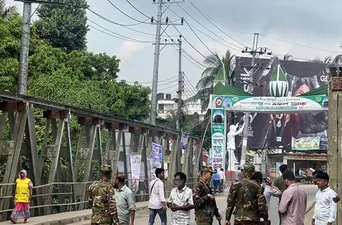
As in previous years, extensive security measures have been taken across the country, including in Dhaka, to ensure a peaceful and smooth celebration of Durga Puja.