ICT to Announce Verdict Schedule in Hasina Crimes Against Humanity Case Today
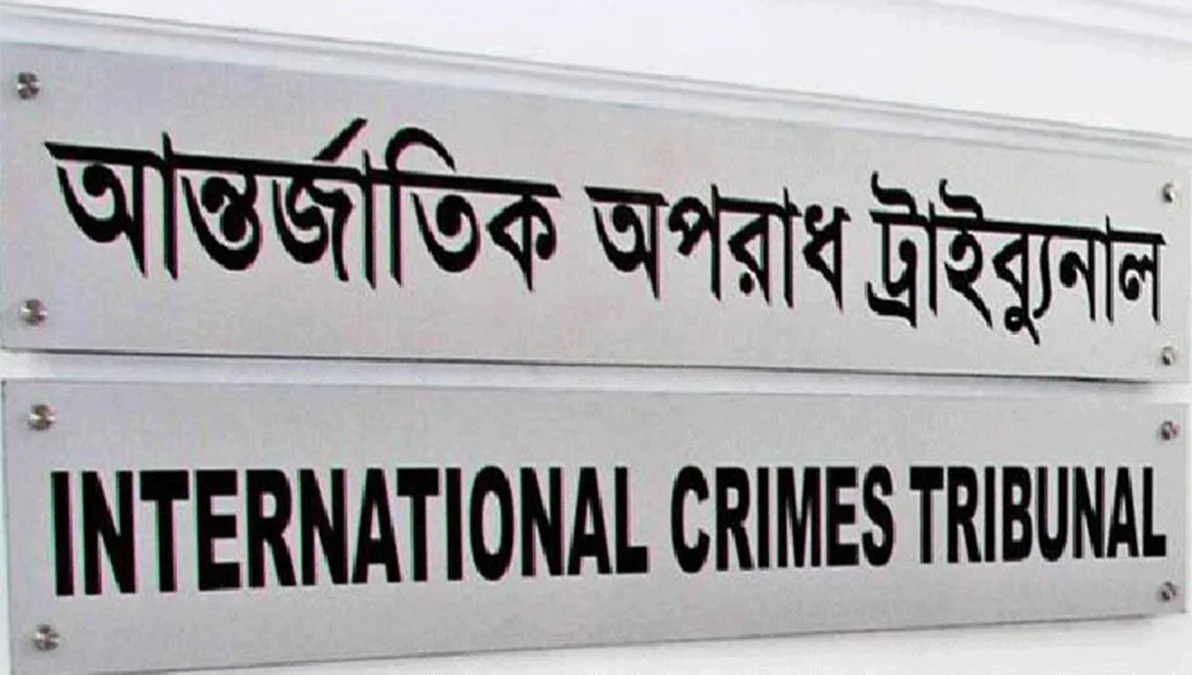
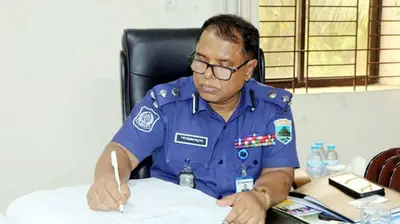
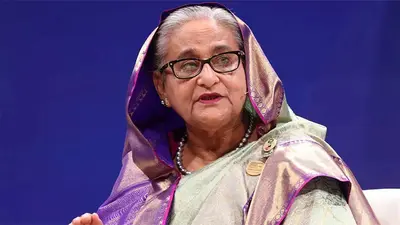
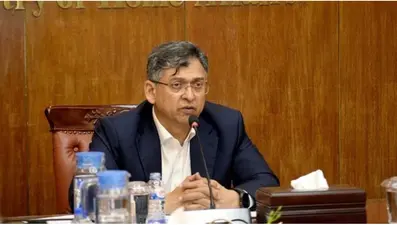
The International Crimes Tribunal-1 is scheduled today to announce the date for delivering its verdict in the crimes against humanity case against deposed former prime minister Sheikh Hasina, her ex–home minister Asaduzzaman Khan—both fugitives—and detained former inspector general of police Chowdhury Abdullah Al Mamun.
The three were tried for alleged superior command responsibility over atrocities committed across the country during the July 2024 uprising that led to the fall of the Hasina-led Awami League government on August 5, 2024. This marks the first tribunal verdict in connection with the uprising.
Tension has escalated nationwide ahead of the decision, with crude bomb blasts, arson attacks on public transport, and flash demonstrations reported in Dhaka and several districts. The banned Awami League had announced a “Dhaka Lockdown” for the day through social media platforms, prompting security agencies to raise the alert level across the capital.
Security has been tightened around the tribunal premises, the Supreme Court, the Attorney General’s Office, and the Supreme Court Bar Association. Inspector General of Police Baharul Alam and Dhaka Metropolitan Police Commissioner SM Sazzat Ali visited the tribunal area earlier in the week to inspect the measures.
According to Supreme Court spokesperson Shafiqul Islam, the court administration formally requested army deployment on the court compound to ensure maximum security.
The three-member tribunal, headed by Justice Md Golam Mortuza Mozumder, completed the trial on October 23 after closing arguments from Attorney General Md Asaduzzaman and Chief Prosecutor Muhammad Tajul Islam. On that date, the bench declared that the verdict date would be set on November 13 without further delay.
Both the attorney general and the chief prosecutor sought death penalties for Sheikh Hasina and Asaduzzaman Khan, stating that exemplary punishment was essential to deter future governments from committing crimes through abuse of state power. Both accused are believed to be hiding in India.
The prosecution did not seek punishment for ex-IGP Chowdhury Abdullah Al Mamun, who testified as a state witness, leaving the decision on his fate to the tribunal. Hasina and Asaduzzaman were tried in absentia, while Mamun appeared in court.
State-appointed defence lawyer Amir Hossain requested acquittals for Hasina and Asaduzzaman, arguing that the prosecution failed to establish evidence of widespread and systematic attacks or superior command responsibility required under the International Crimes (Tribunals) Act, 1973, and international law.
The tribunal took cognisance of five formal charges on July 10:
- Incitement of violence: Hasina allegedly provoked attacks on protesters by calling them “sons and grandchildren of Razakars” during a speech on July 14, 2024.
- Order for lethal action: She allegedly instructed Dhaka University authorities and law enforcement to “hang or kill” protesters, authorising the use of live ammunition and drones.
- Killing of Abu Sayeed: The accused allegedly ordered police and ruling-party activists to open fire on unarmed students at Begum Rokeya University, Rangpur, on July 16, killing student leader Abu Sayeed.
- Killings during the ‘March to Dhaka’: Six protesters were reportedly shot dead on August 5, 2024, during the mass rally in the capital.
- Ashulia arson attack: Five protesters were allegedly burned alive near Ashulia Police Station on the same day, while another injured demonstrator was thrown into the fire.
The ICT Investigation Agency submitted its findings to the Chief Prosecutor’s Office on May 12, and formal charges were pressed on June 1.