

Thousands of Fishermen Unable to Fish Amid Fuel Crisis
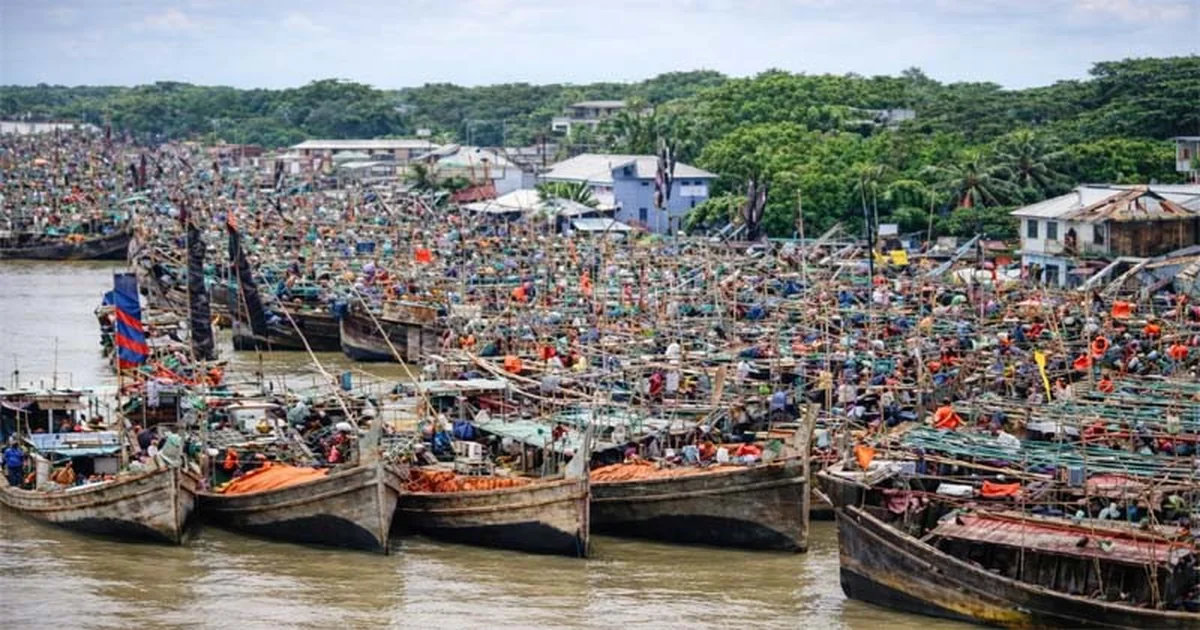
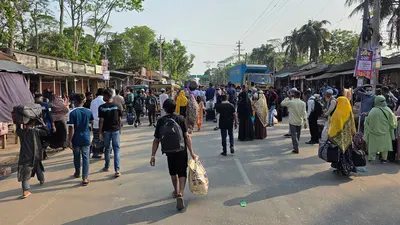
Due to a severe fuel shortage in Shariatpur, thousands of fishermen are unable to go fishing in the Padma River. After all filling stations in the district remained closed for two consecutive days, limited fuel sales began on Friday, but the supply shortage has not yet been resolved. As a result, the livelihoods of fishermen in the riverbank areas of Naria, Jazira, and Bhedarganj upazilas have been severely disrupted.
Local fishermen said that they are unable to go to the river as they cannot operate diesel-powered boats and trawlers. As a result, many are forced to spend idle time on the banks of the Padma. Some are repairing nets, some are working on boats, while others are sitting idle waiting for work. Even local retail diesel sellers along the riverbanks now have almost no fuel.
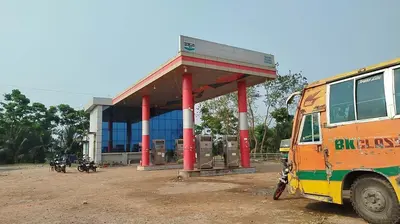
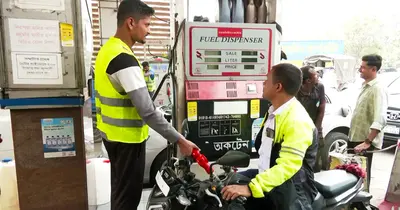
Pump owners and managers said that due to a complete halt in the supply of petrol, octane, and diesel on Wednesday and Thursday, all filling stations had to remain closed. After a small amount of fuel supply arrived on Friday, sales began at three out of the six stations in the district. However, due to limited supply, restrictions have been imposed on fuel sales—200 taka for motorcycles, 1,000 taka for private cars, 5,000 taka for public transport, and 1,000 to 2,000 taka worth of fuel for farmers and fishermen.
Meanwhile, although the administration has ordered a ban on fuel sales in the retail market, in reality some sellers are selling fuel at higher prices. There are allegations that diesel is being sold at 50 to 70 taka higher per liter. Many fishermen are being forced to buy small amounts of fuel at higher prices to go fishing, which is reducing their income.
According to sources from the district fisheries office, around 33,000 fishermen in Shariatpur fish in the Padma River. Among them, about 12,000 small and large boats and trawlers are used, of which 6,000 to 7,000 boats regularly go to the river. These boats require an average of 30,000 to 35,000 liters of diesel daily. However, due to the current crisis, fishermen are receiving 30 to 40 percent less diesel than required.
On the ground in the Sureshwar area of Naria upazila, it was seen that most boats were anchored along the riverbank. Fishermen said that although they used to fish for 7 to 8 hours daily, now they cannot stay in the river for more than 2 to 3 hours. Due to insufficient fuel to reach the middle of the river, they are also catching fewer fish.
Fisherman Abu Sufian from Gosairhat upazila said, “Earlier, it required 7–8 liters of fuel daily. Now, more than 2–3 liters of fuel is not available. It is not possible to fish with such a small amount of fuel. It has become very difficult to run the household.” Similarly, Sirajul Dhali from Naria said, “A large boat requires 15 liters of fuel daily, but no more than 5–6 liters is available in the market. As a result, income has decreased.”
District Fisheries Officer Bishwajit Kumar Deb said that if the fuel crisis continues, fish harvesting by fishermen will be severely disrupted. On the other hand, Deputy Commissioner Tahsina Begum said that measures have been taken to prevent hoarding of fuel and the creation of an artificial crisis. She said that fishermen will be able to collect fuel with administrative assistance through fisher cards if necessary, but proper use must be ensured.