



Remembering the Martyrs: November 3 – Jail Killing Day in Bangladesh
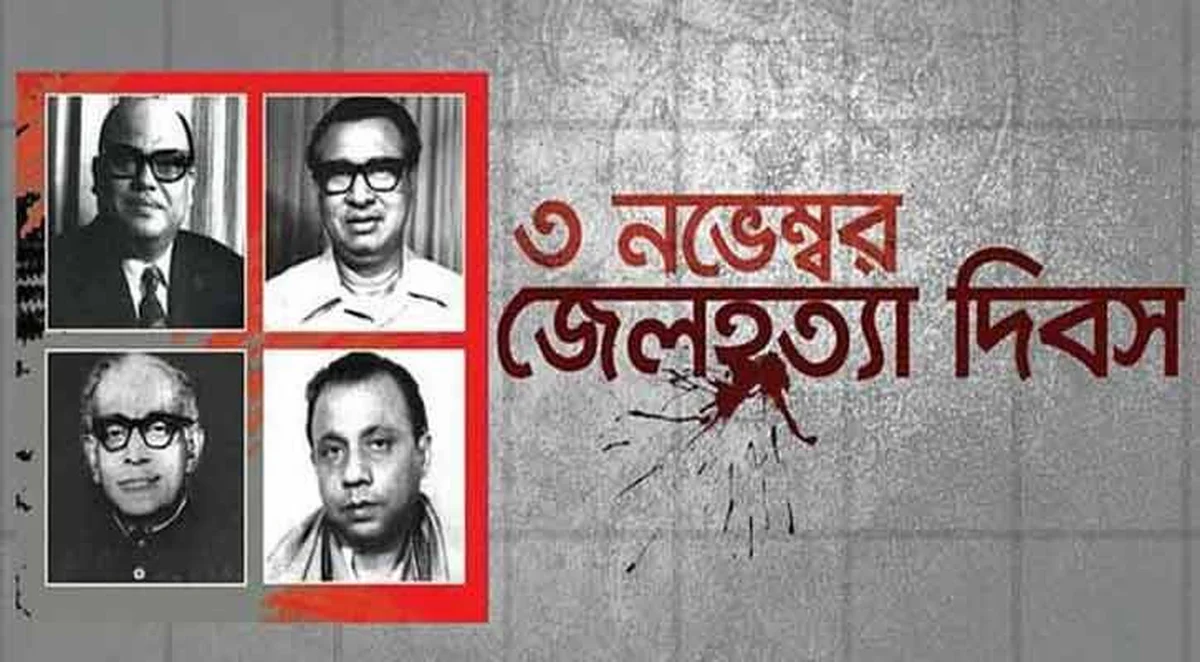
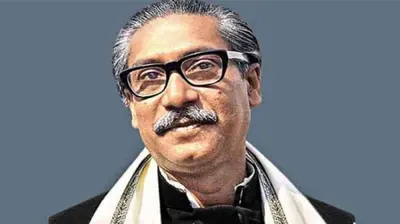
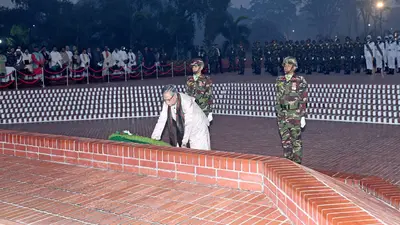
Monday (3 November) marks Jail Killing Day. After the assassination of Father of the Nation Sheikh Mujibur Rahman and most of his family on 15 August 1975, this brutal and arbitrary killing took place inside what is supposed to be the world’s most secure place—prison.
On 15 August 1975, Bangabandhu Sheikh Mujibur Rahman was murdered along with the majority of his family members. Soon after, the four national leaders who had held important roles during the Liberation War were arrested. A few days later, on 3 November, they fell victim to a history‑shattering massacre inside the central jail.
The four leaders who were murdered are: Syed Nazrul Islam, Tajuddin Ahmed, Captain Mansur Ali and A.H.M. Qamaruzzaman. In the absence of Sheikh Mujib, they led the Liberation War, through the Mujibnagar government, and secured Bangladesh’s independence. On that tragic day, they were shot and bayoneted inside the jail in a heinous act.
During the Liberation War in 1971, the provisional government was formed in Meherpur, Kushtia district. Syed Nazrul Islam served as Acting President, Tajuddin Ahmed as Prime Minister, Captain Mansur Ali as Finance Minister, and A.H.M. Qamaruzzaman as Food and Relief Minister. Under their leadership, the nine‑month War of Liberation culminated in victory on 16 December. These four also played key roles in organizing the masses and leading movements before and during the war.
The case of their murder came to be known as the “Jail Killing Case”. In its judgment, out of 20 accused, 12 were given life sentences and three were sentenced to death, while five were acquitted. Among the fugitives sentenced to death was Captain (retd) Abdul Majed, who was arrested in April 2020 and executed that same month.