





New Ordinance Approves Restructured National Human Rights Commission
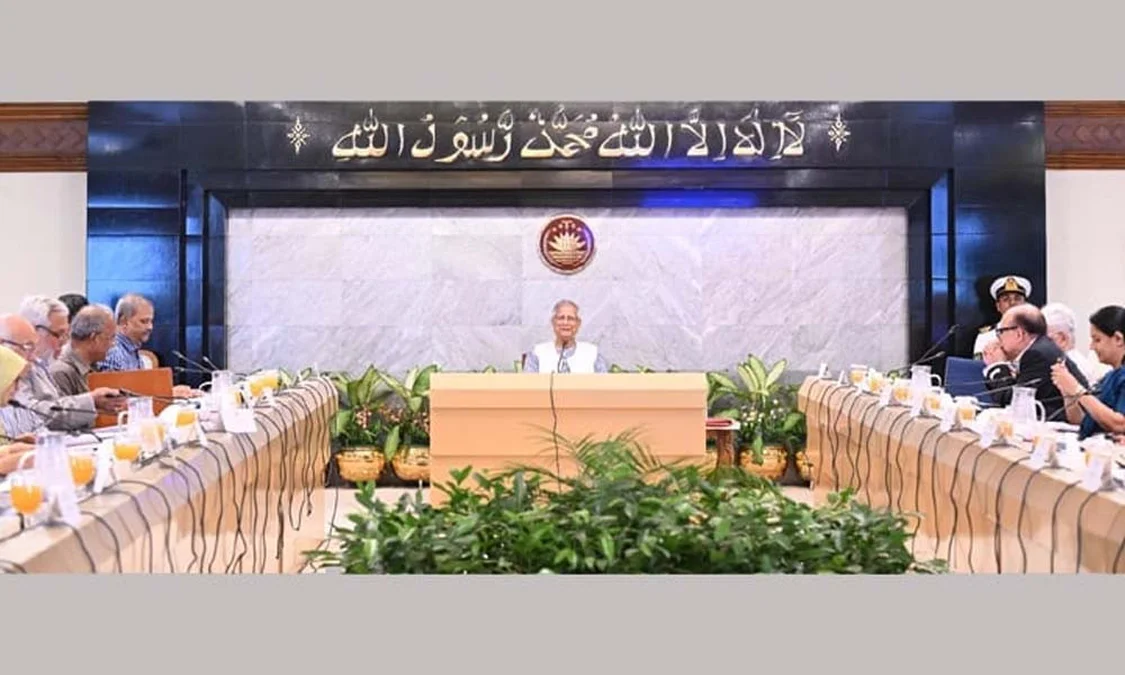
The Advisory Council has approved a new National Human Rights Commission Ordinance aimed at making the commission more powerful and effective.
The approval came at a meeting of the Advisory Council held today (Thursday) at the Office of the Chief Adviser, with Chief Adviser Professor Muhammad Yunus presiding over the session. After the meeting, Law, Justice and Parliamentary Affairs Adviser Dr. Asif Nazrul briefed journalists at the Foreign Service Academy.
Chief Adviser’s Press Secretary Shafiqul Alam and Deputy Press Secretary Abul Kalam Azad Majumder were also present at the briefing.
Commission to Be Empowered and Restructured
The Law Adviser said, “Previously, we had a Human Rights Commission, but it was practically a toothless institution. Due to flaws in the appointment process, limitations in jurisdiction, and weak leadership, the commission could not play an effective role. This time, we have tried to transform it into a truly empowered institution with real authority and jurisdiction.”
He stated that the new ordinance introduces fundamental changes in the structure, jurisdiction, and appointment process of the Commission. The body will now consist of one Chairperson and four full-time members.
To ensure transparency and merit-based recruitment, a seven-member selection committee headed by a Justice of the Appellate Division will be formed. Applications will be invited through public notice, and candidates will be shortlisted through interviews before being recommended by the selection committee.
Expanded Jurisdiction and International Mandate
Dr. Nazrul added, “We have designed the appointment process in such a way that experienced, qualified, and actively engaged individuals in human rights protection can find a place in the Commission.”
He further stated, “Alongside the fundamental rights enshrined in our Constitution, the Commission’s jurisdiction has been extended to include human rights recognized under international treaties ratified by Bangladesh, as well as customary international law. This will enable the Commission to operate according to international human rights standards.”
The jurisdiction of the Commission has been significantly expanded. It will now be able to investigate human rights violations committed by law enforcement agencies or under state patronage.
The Law Adviser said, “The previous Commission had severe limitations in its authority, particularly concerning complaints against law enforcement agencies and government bodies. These restrictions have now been removed.”
Commission Orders Made Legally Binding
In addition, the implementation of all laws related to human rights protection—including the Enforced Disappearance (Prevention, Remedy, and Victim Protection) Act—will fall under the Commission’s mandate. As a result, there will be no need to form a separate ‘Disappearance Commission’, he mentioned.
The ordinance also makes compliance with Commission orders mandatory. The Law Adviser said, “From now on, the Commission’s recommendations or directives cannot be ignored. Legal provisions have been added to ensure their binding force.”