

Interim Government’s Reform Process Fragile, Says TIB Chief
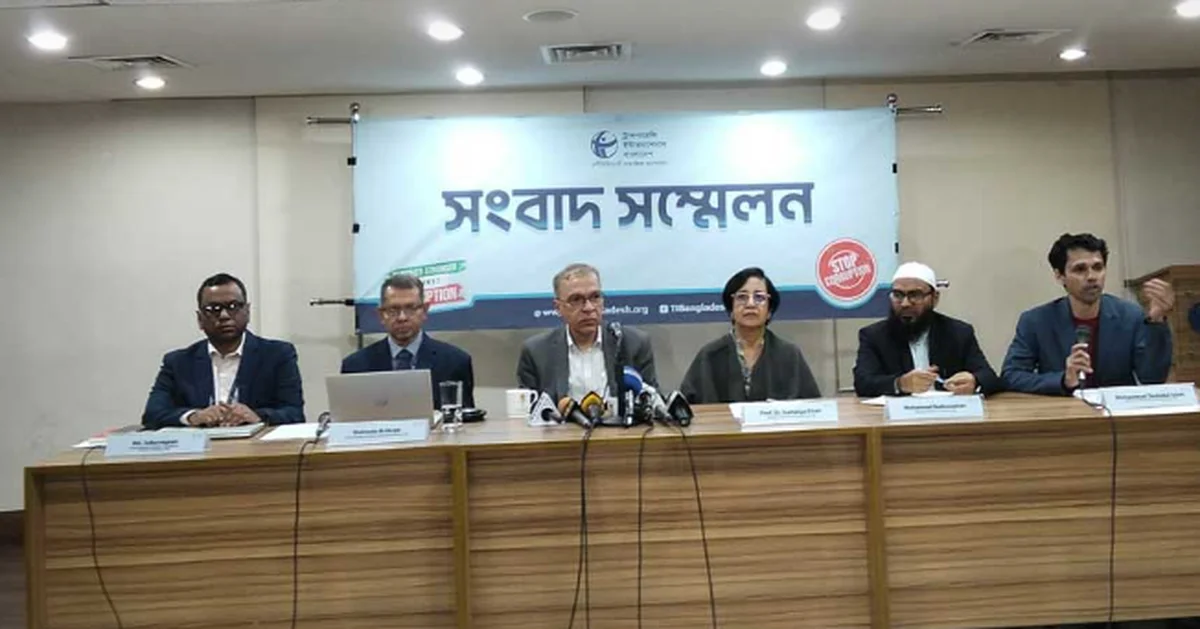
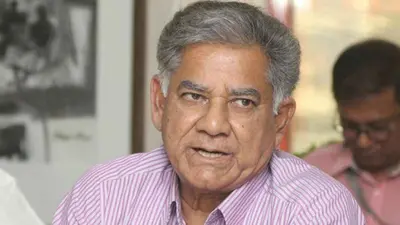
The reform framework introduced by the interim government following the fall of the previous authoritarian regime remains fragile and inadequately prepared for effective implementation, according to Transparency International Bangladesh (TIB) Executive Director Iftekharuzzaman.
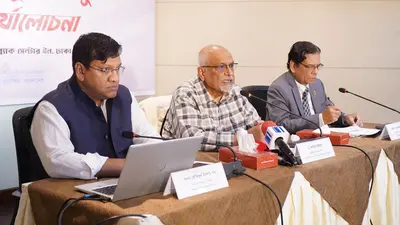
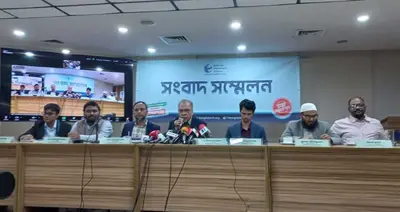
Speaking at a press conference in Dhaka, he said that although the interim administration has taken initiatives to outline reforms in legal, constitutional, and institutional areas, the overall groundwork lacks strength and carries significant implementation risks. He noted that shortcomings in preparation have overshadowed the government’s achievements so far.
A research study presented at the event examined public expectations after the regime change and assessed how far those expectations have been met. The findings suggest that while reform structures have been proposed, there is little evidence of sufficient readiness to execute them in practice.
Iftekharuzzaman pointed out weaknesses in transparency, decision-making processes, and the flow of information within state institutions. He acknowledged limited progress in areas such as the judiciary and election-related reforms but warned that the overall infrastructure remains weak and vulnerable.
He also raised concerns about the continued misuse of money, muscle power, and religion in politics, cautioning that these factors could threaten the prospects of free and fair elections. Rigid political positions, he said, have further undermined accountability and good governance.
Overall, he emphasized that the reform process is still at a sensitive stage and requires stronger foundations, greater transparency, and effective implementation to meet public expectations.