

U.S. Secret Strategy Involving Jamaat Exposed in Bangladesh Politics

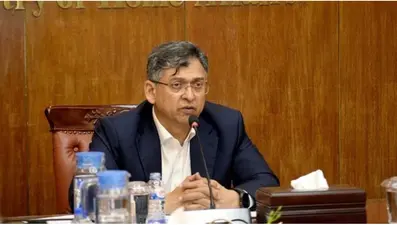
After the July movement, an investigative report by The Washington Post on Bangladesh’s political transition and U.S. diplomatic activities surrounding Jamaat-e-Islami has caused intense upheaval in Bangladeshi politics. Based on a leaked audio conversation of a U.S. Embassy official stationed in Dhaka, the report claims that the United States is considering a strategy to utilize Jamaat-e-Islami by keeping it “under control” in the context of forming a future government.
According to the report, on December 1, during a closed-door meeting with female journalists in Dhaka, the diplomat stated that Bangladesh is “moving in an Islamic direction” and that Jamaat-e-Islami may achieve the best electoral result in its history in the upcoming election. He openly said, “We want them to be our friends.” He even requested the journalists to help bring leaders of Jamaat’s influential student organization onto television talk shows.
The leaked audio reveals even more sensational information. The official is heard expressing joy over Sheikh Hasina’s conviction, while simultaneously acknowledging that the judicial process was neither independent nor fair. He also warned that if the BNP were to win the election instead of Jamaat, the risk of corruption could increase.
In a statement to The Washington Post, the U.S. Embassy in Dhaka claimed that this was a routine off-the-record discussion and that the United States is not providing special advantages to any political party. However, analysts believe that this audio and the report have put the U.S. claim of neutrality under serious question.
The report further states that U.S. diplomats are confident that Jamaat can be kept under control through economic pressure if necessary. In the leaked conversation, a threatening tone is evident, suggesting that if Sharia law is imposed or restrictions are placed on women’s employment, the United States could impose tariffs on Bangladesh’s garment sector, which would collapse the economy.
Several questions have already arisen regarding the potential impact of this audio leak.
First, the diplomatic credibility of the United States may be damaged. Political forces in Bangladesh that have long accused the U.S. of interference will use this audio as evidence.
Second, the pre-election environment may become even more unstable. Jamaat, the BNP, and other parties may accuse one another regarding the role of the United States, making the election even more controversial.
Third, there is concern over new tensions in U.S.–India relations. The Washington Post report notes that India has long viewed Jamaat as a threat to regional security. U.S. engagement with Jamaat may increase Delhi’s concerns.
Fourth, international pressure on the interim government may increase. Issues of electoral neutrality, judicial transparency, and allegations of foreign influence combined will force the government to maintain an even more difficult balance.
The most important question is whether this audio leak will change U.S. strategy. Analysts believe that despite increased public debate, the United States will continue to pursue its strategic interests, though it will act more cautiously and behind the scenes in the future.
This leaked audio is not merely a diplomatic controversy; it has exposed the deep realities of international politics surrounding Bangladesh’s elections, judiciary, and sovereignty. Observers believe that as the election draws closer, the political impact of this issue will only intensify.