
279 government-critical content requests to Google in six months
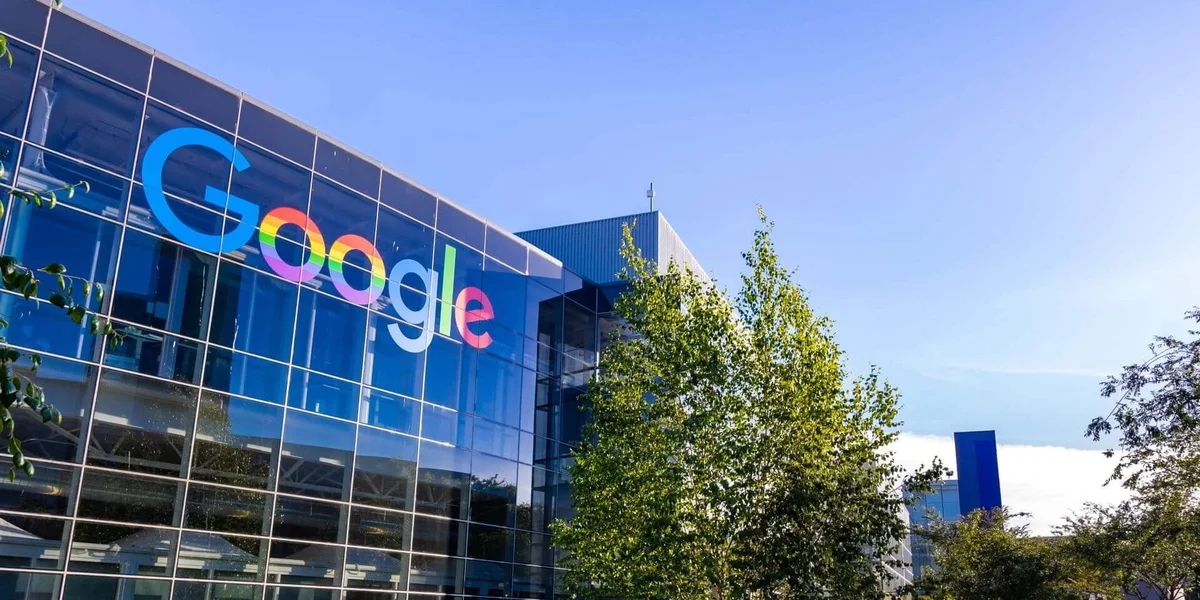
The world’s leading information technology company Google (Alphabet) has recently released its transparency report for January to June 2025. According to that report, during these six months the interim government made a total of 279 requests to Google for content removal, most of which were for removing content critical of the government.
However, Google appears to have responded very little to these requests from the government. During this period, the government requested the removal of 1,023 items from Google.
An analysis of the report shows that among the requests sent in the first six months of this year, the highest number—181—was for removing content critical of the government. Next were 38 requests related to regulated goods and services, and 32 requests regarding defamation.
All 181 requests made due to criticism of the government were related to YouTube content. During this time, the highest number of requests was sent from the Bangladesh Telecommunication Regulatory Commission (BTRC).
Google said that in more than 65 percent of the items requested from Bangladesh, there was insufficient information. Among the other actions, in 16.1 percent of cases no action was taken, in 9 percent the content had already been removed, in 2.5 percent it was removed through legal processes, in 3.7 percent it was removed according to policy, and in 3.5 percent of cases the content could not be found.
YouTube, a subsidiary of Google, removes content uploaded in violation of its Community Guidelines, and during this period 621,655 videos were removed from Bangladesh. After coming to power, the interim government repealed the Cyber Security Act and issued the Cyber Safeguard Ordinance, under which, according to Section 8, BTRC may request social media platforms to block content.
This provision existed in the previous law as well, but the current government added that—if any content is blocked, the government will publicly disclose information about all blocked content in the interest of transparency.
Miraz Ahmed Chowdhury, Managing Director of Digitally Right, said that since the new ordinance includes a provision for publishing such information, once it is made public people will be able to know what type of criticism the government wants to remove. However, no information has yet been published by the government.