Punishment for Liberating the Country
Architects of the 1971 Victory to Spend a Second Victory Day in Prison
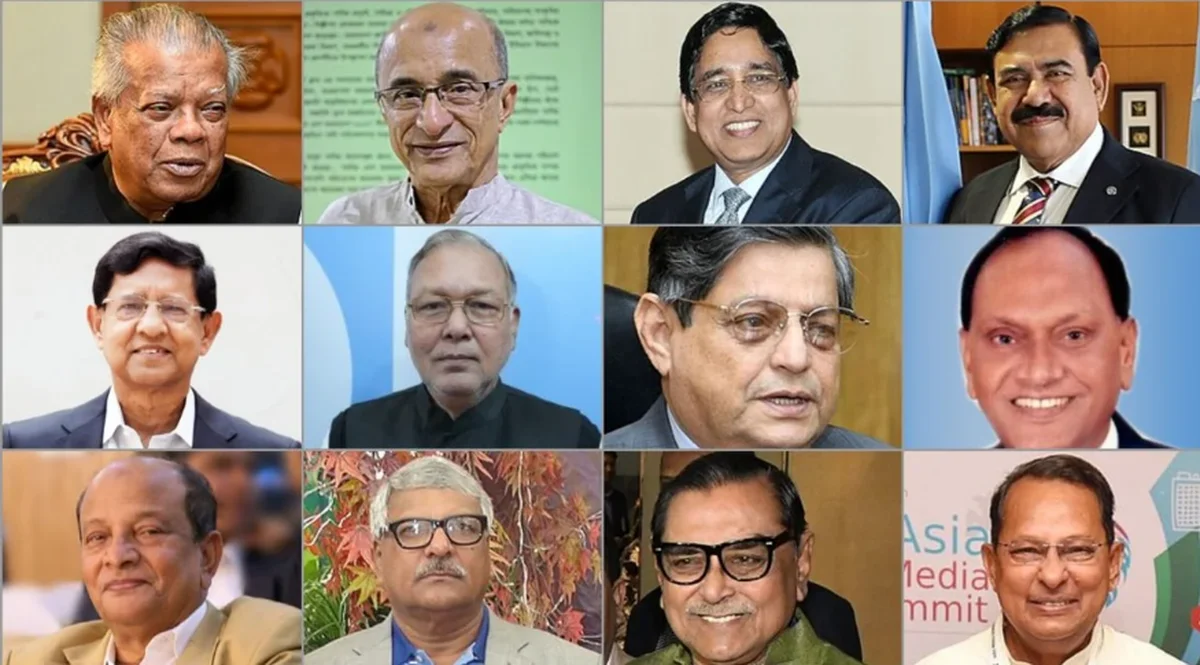
Several freedom fighters and organizers of the Liberation War who received recognition for their heroic roles in the great Liberation War of 1971 will spend Victory Day in prison for the second time this year. Many former ministers, members of parliament, and political leaders who served during the ousted Awami League government are currently incarcerated in political cases filed over the July–August movement of 2024.
After August 2024, multiple cases were filed across the country and arrests were made against freedom fighters and Liberation War organizers. According to reliable sources, the imprisonment of at least 23 freedom fighters has been confirmed. Among them are former Prime Minister’s energy affairs adviser Dr. Tawfiq-e-Elahi Bir Bikram, former food minister Dr. Md. Abdur Razzaque, Awami League advisory council member Amir Hossain Amu, Mujib Bahini member Shahjahan Khan, former cultural affairs minister Asaduzzaman Noor, JSD president Hasanul Haq Inu, Workers Party president Rashed Khan Menon, former minister Golam Dastagir Gazi Bir Protik, former Deputy Speaker Shamsul Haq Tuku, former Chief Whip Abdus Shahid, along with several former members of parliament.
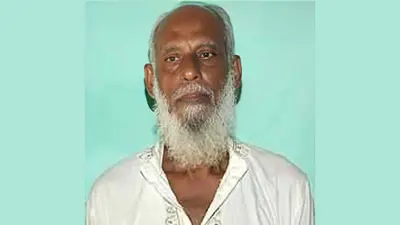
In addition, freedom fighter leaders at district and local levels are also imprisoned. Meherpur District Freedom Fighters Command Deputy Commander Matiar Rahman and Jessore District Awami League president and freedom fighter Shahidul Islam Milon are currently in jail. Although more freedom fighters are detained in different parts of the country, their identities could not be fully confirmed.
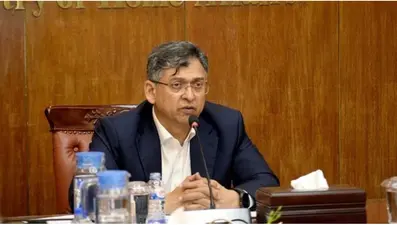
On December 8, in connection with murder and genocide charges filed over the July–August movement, 17 individuals including former ministers and state ministers were produced before the International Crimes Tribunal. The prosecution stated that at least eight of the accused are freedom fighters. According to the prosecution, the accused are charged with advising the use of lethal weapons to suppress the movement, recommending the imposition of curfew, and playing roles in political decision-making.
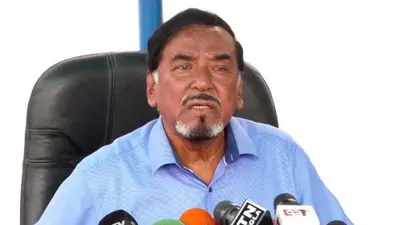
International Crimes Tribunal prosecutor Gazi MH Tamim said, “Preliminary information has been found against most of the accused regarding involvement in crimes against humanity committed in July.” He claimed that through holding political positions and making decisions, they facilitated the path to violence.
However, human rights organizations and lawyers have raised questions regarding these cases. According to them, there are concerns over the credibility and quality of investigations in cases filed by naming more than a hundred individuals at once. Questions have also been raised about being directly accused in cases of other districts while remaining in Dhaka.
In this context, Attorney General Md. Asaduzzaman has acknowledged that numerous false cases were filed after the July riots. He said that to prevent such misuse, Section 173(a) has been added to the Code of Criminal Procedure, allowing a superintendent of police or commissioner to submit an interim report based on preliminary investigation.
Meanwhile, incidents of deaths of several imprisoned freedom fighters due to lack of medical treatment have sparked discussion. Critics argue that followers of the defeated forces of 1971 have been repeatedly attacking, undermining, humiliating, and insulting the Liberation War and freedom fighters in the post–August 5 period to avenge their defeat in 1971. As part of that revenge, these heroes of 1971 are becoming victims of political vendetta.
Many faces associated with the victory of 1971 will once again observe Victory Day behind prison walls, marking a deep and controversial chapter in the country’s political history.