

Soybean Oil Price Increased Five Times in 13 Months
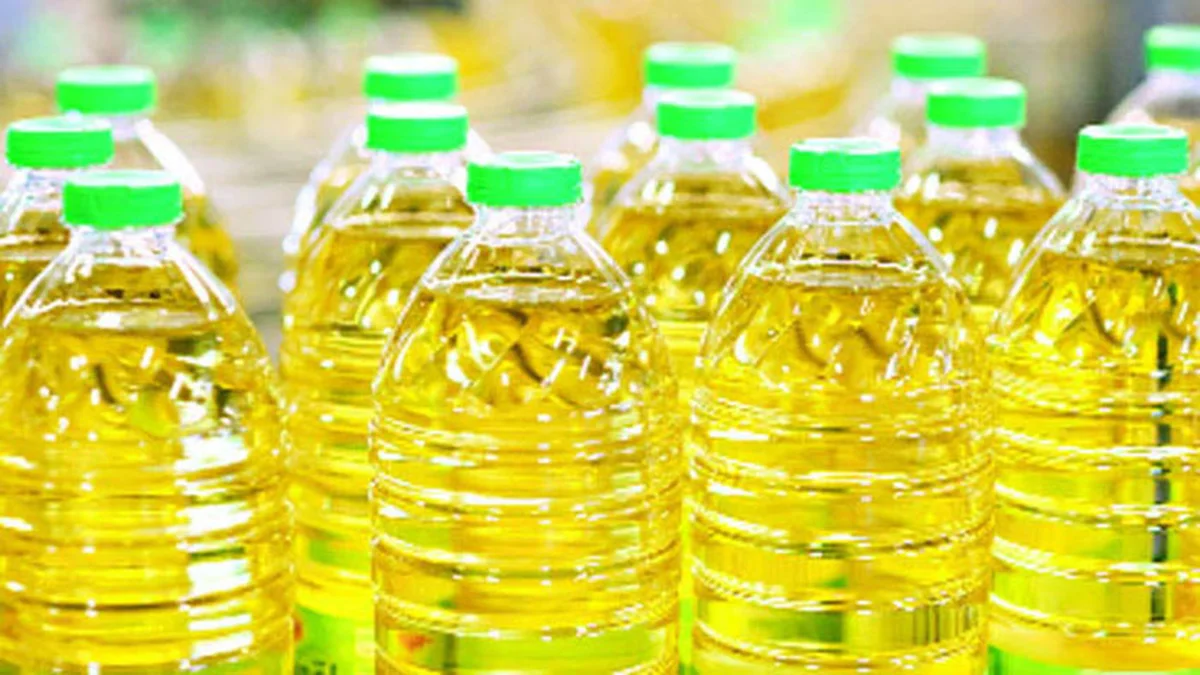
The prices of edible oils, including bottled soybean oil, have been raised once again by refiners, even though the Ministry of Commerce has not yet given its final approval. The announcement came through a press release issued by the Bangladesh Vegetable Oil Refiners and Vanaspati Manufacturers Association on Monday.
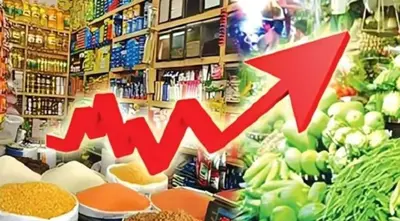
According to the new rates, the price of a one-litre bottle of soybean oil has been set at Tk 195, up from Tk 190 just a day earlier. A five-litre bottle will now cost Tk 945, loose soybean oil Tk 177 per litre, and loose palm oil Tk 163 per litre. This latest hike comes only 21 days after the last increase, when prices were raised by Tk 1 per litre.
However, officials at the Ministry of Commerce have stated that they have not given any final approval for the revised rates. A senior official said a meeting was held on Monday between representatives from the ministry, the Bangladesh Trade and Tariff Commission (BTTC), and leaders of the refiners' association. During the meeting, the millers submitted a list of proposed prices, and BTTC shared its observations. The ministry had reportedly told the stakeholders that a decision would be made after consulting with Adviser Sk Bashir Uddin, expected by Tuesday, October 14. Despite this, the association issued its press release prematurely, the official said.
Historical data from the Trading Corporation of Bangladesh (TCB) shows that the price of bottled soybean oil has seen a steady increase over the past year. In September 2024, the price was Tk 167, rising to Tk 175 in December, then to Tk 189 in April 2025, and to Tk 190 in September. The most recent hike pushes the price to Tk 195 per litre.
This marks the third price hike under the interim government, which assumed power in August 2024 following the fall of the Awami League regime amid a mass uprising. In December 2024, the government approved a Tk 8 increase in soybean oil prices, setting the new rate at Tk 175. The price was again raised to Tk 189 in April 2025. On September 22, the government approved only a minimal increase of Tk 1, despite millers demanding a Tk 10 hike, citing global market volatility.
Speaking to New Age, SM Nazer Hossain, Vice President of the Consumers Association of Bangladesh (CAB), criticized the latest increase, stating that millers have a long history of unilaterally raising prices, often without proper government approval. He said the current pricing assessment system, dominated by millers and BTTC representatives, lacks transparency and fairness. “We have repeatedly urged the government to include consumer rights groups and media representatives in the price evaluation process, but they have ignored our requests,” he said.
Hossain also challenged the logic of adjusting domestic prices solely based on international markets, arguing that such comparisons often fail to reflect the realities of the local economy.
According to the U.S. Department of Agriculture, Bangladesh's total edible oil consumption in the 2024–25 marketing year stands at 2.86 million metric tonnes, with over 1.1 million metric tonnes being soybean oil. The country remains heavily reliant on imports to meet its edible oil demand.