
December 6: Bangladesh Marks the Fall of H.M. Ershad and Return to Democracy
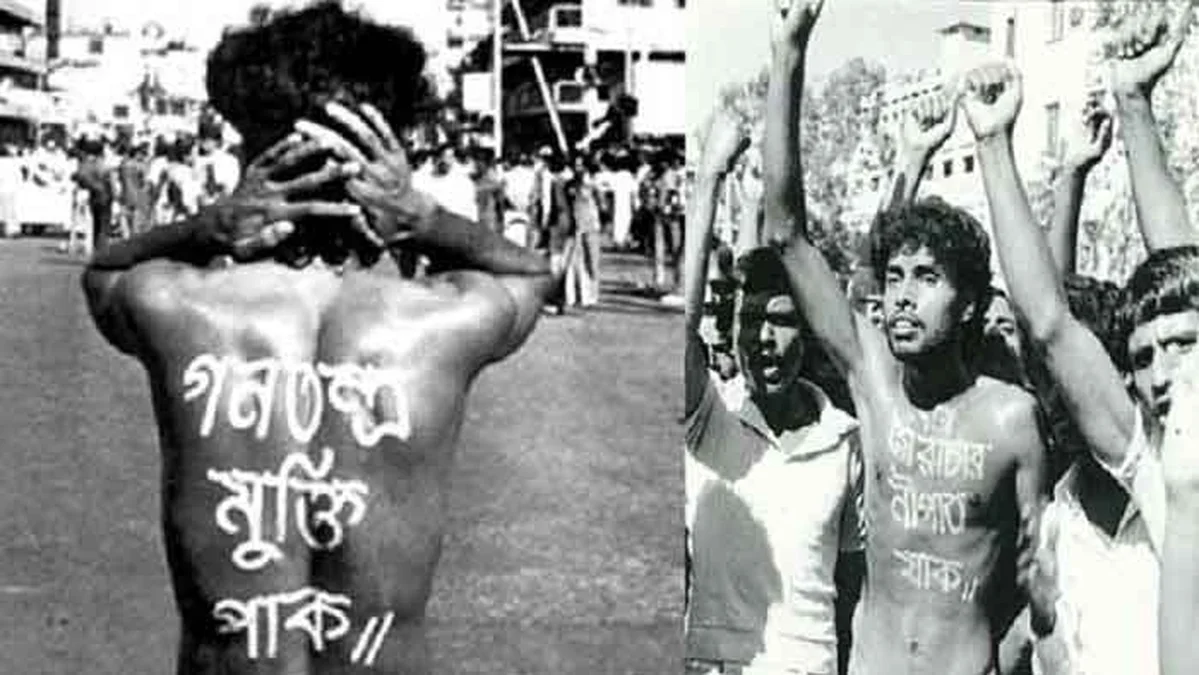
Today is December 6. A significant day in the political history of Bangladesh. On this day in 1990, facing a mass uprising, the then military ruler H.M. Ershad resigned and transferred state power to a caretaker government. This marked the end of nine years of autocratic rule and the country began its path back to democracy.
H.M. Ershad had earlier seized power by imposing martial law on March 24, 1982. Against his prolonged rule, the country’s main political parties — the Awami League, BNP, and various leftist parties — organized continuous movements. In these movements, countless people, including Dr. Shamsul Alam Khan Milon and Nur Hossain, sacrificed their lives.
When the anti-Ershad movement intensified on November 21, 1990, a political framework was jointly announced by fifteen parties led by the Awami League, seven parties led by BNP, and five leftist parties led by the Workers’ Party and JASAD. Although Jamaat-e-Islami was outside these three alliances, they actively participated in the anti-Ershad movement.
Even though the autocrat fell, political analysts say that the full implementation of the framework announced by the three alliances never occurred. Effective parliament, rule of law, citizens’ fundamental rights, and sustainable democracy remain largely unresolved.
This day is observed by various political parties under different names.