

Sheikh Hasina in rare interview: I’m not to blame for the bloodshed — my trial is a sham
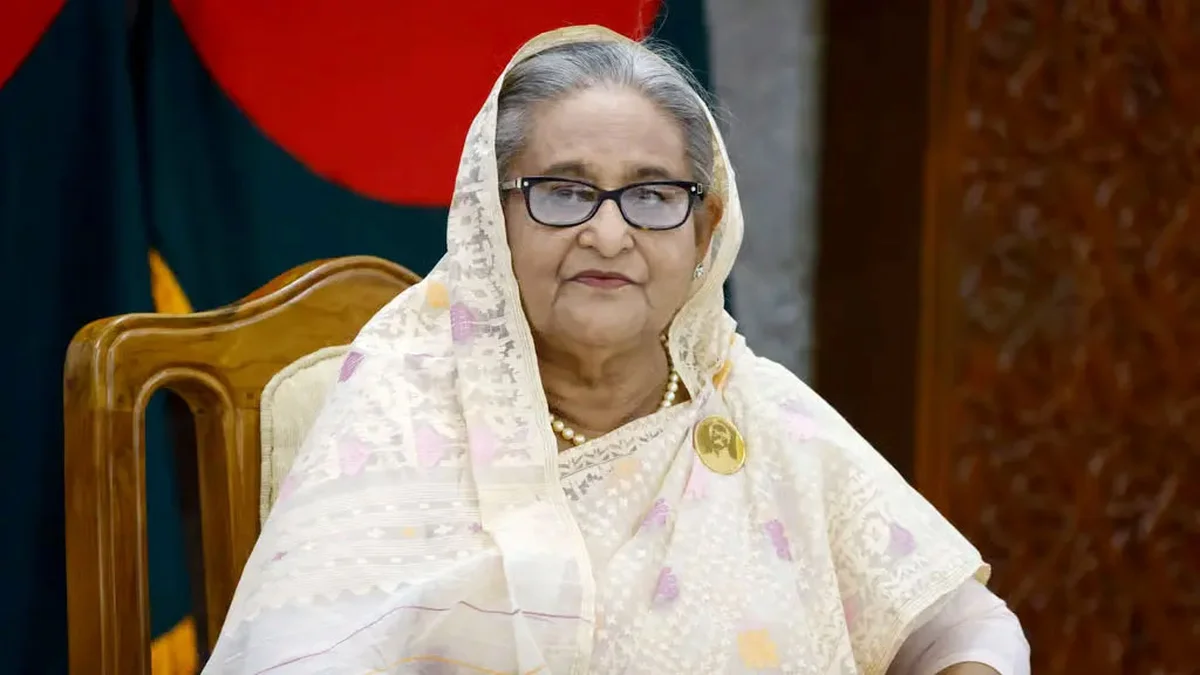
Former Bangladeshi Prime Minister Sheikh Hasina has denied allegations that she ordered security forces to open fire during last year’s deadly crackdown on street protests — a move that ultimately led to her downfall. She made the remarks in a rare and wide-ranging interview.
Prosecutors in Bangladesh have charged her with crimes against humanity and are seeking the death penalty. They allege that Hasina ordered the use of live ammunition against student protesters, resulting in the deaths of around 1,400 people.
Sheikh Hasina, who ruled the country with a firm grip for more than 15 years, is now living in exile in India. Asked whether she would apologise to the families of those killed, she said, “I mourn every child, sibling, relative and friend we lost as a nation, and I offer them my deepest condolences.”
However, she rejected the accusations, saying she never ordered the police to open fire and that her Awami League party is being unfairly barred from contesting elections by the unelected interim government led by Nobel laureate Muhammad Yunus.
In one of her first interviews since her ouster, Hasina said she would “neither be surprised nor intimidated” if Bangladesh’s International Crimes Tribunal (ICT) sentenced her to death. She described the proceedings as “a vengeful sham trial.”
“The ICT is a fake court operated under an unelected government composed of my political rivals,” Sheikh Hasina said. “Given my family’s history, no one knows better than I do the long tradition of political assassinations in Bangladesh — and this so-called trial is just another chapter of that ugly tradition.”
Defending her role during last year’s protests, Hasina said she bore no personal responsibility for the killings, calling the events “a violent insurrection.”
She said, “The high number of casualties stemmed from breakdowns in discipline among security forces on the ground. As a leader, I accept political responsibility, but the claim that I ordered or desired the security forces to open fire is completely false.”
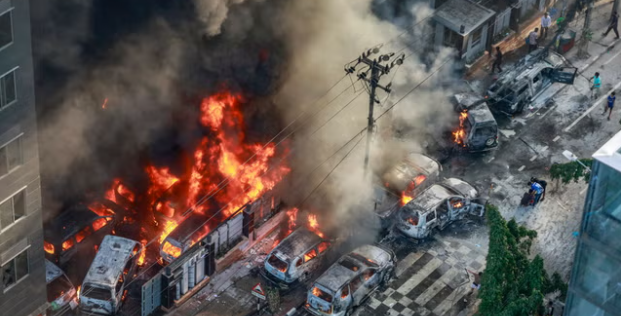
Sheikh Hasina claimed that her government had launched an independent investigation into the initial killings, which was later shut down by the interim government after her removal.
The crackdown last year drew global condemnation. Amnesty International’s deputy regional director, Babu Ram Pant, said at the time, “The rising death toll reflects the Bangladeshi authorities’ absolute intolerance toward dissent and protest.”
UN human rights chief Volker Turk also said then, “The attacks on student protesters are particularly shocking and unacceptable.”
Sheikh Hasina disputed the frequently cited death toll of 1,400, saying, “That number is being used by the ICT for propaganda purposes and is likely exaggerated.”
The protests began in July last year when university students demanded the abolition of quotas in government jobs reserved for relatives of war veterans from Bangladesh’s independence war. The movement soon evolved into a massive anti-government uprising, drawing hundreds of thousands of people to the streets.
Security forces responded with harsh, lethal force. After the initial wave of violence, protest leaders declared that they would accept nothing short of Hasina’s immediate resignation.
Sheikh Hasina said, “The government at the time acted in good faith to maintain control and minimise the loss of life.”
Three days after Hasina’s ouster, Muhammad Yunus returned from exile to lead the interim government. He vowed to hold Hasina accountable and immediately banned all activities of the Awami League.
Chief prosecutor Tajul Islam has described Hasina as “the mastermind and principal architect” of the alleged crimes against humanity.
But Sheikh Hasina insisted that the violence resulted from decisions made by field officers on the ground, not from any government order. “The allegations rely on distorted testimony and manipulated evidence crafted for political revenge,” she said.
“In the chaos on the streets, security personnel made on-the-spot decisions based on their own judgment. Some may have been mistaken, but those actions were taken under existing operational protocols.”
Explaining her decision to leave the country on August 5 last year, Hasina said, “It was a necessary step. Staying would have endangered not only my life but also the lives of those around me.”
Despite her exile and the ban on her party, she insisted she remains committed to “restoring democracy in Bangladesh.” She said, “Only free, fair, and inclusive elections can heal the nation.” Yunus has announced that elections will be held in February 2026 — without the participation of the Awami League.
Reflecting on her political legacy, Sheikh Hasina said she wanted to be remembered as the leader who “restored parliamentary democracy to Bangladesh after years of brutal military rule” and “lifted millions out of poverty.” She added that these achievements are now “under threat of being undone.”
Even as she awaits the ICT’s verdict in absentia — which could include a death sentence — Hasina remains defiant: “No democratically elected leader should be prosecuted for fulfilling their constitutional duty to protect their country in the face of violent insurrection.”
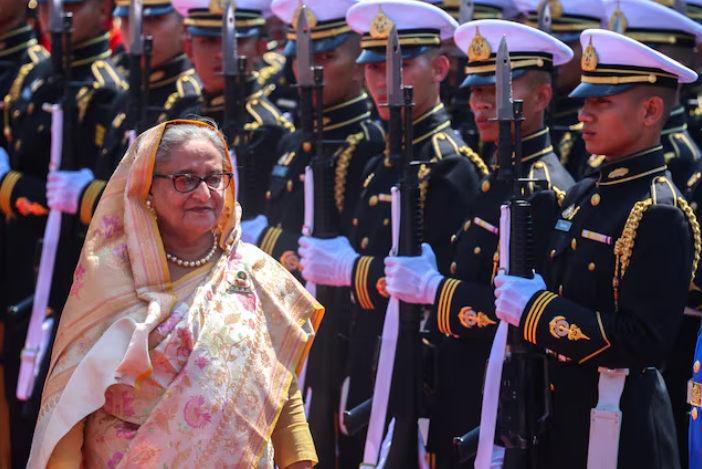
Despite the political turmoil, Sheikh Hasina said the Awami League would once again play a role in Bangladesh’s politics in the future — whether in government or in opposition. She also said that the party’s leadership does not have to remain within her family.
Her son and adviser, Sajeeb Wazed, who lives in Washington, told Reuters last year that he might consider taking over the party’s leadership if needed.
“It’s really not about me or my family,” Sheikh Hasina. “For Bangladesh to achieve the future we all want, there must be a return to constitutional governance and political stability. No single person or family defines the future of our country.”
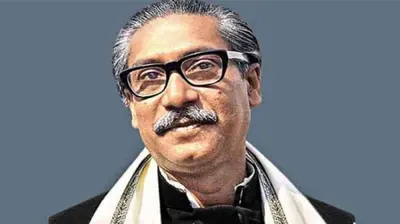
Sheikh Hasina — whose father and three brothers were killed in a 1975 military coup while she and her sister were abroad — said she lives freely in Delhi but remains cautious given her family’s violent history.
“I would, of course, love to return home,” Sheikh Hasina. “But the government there must be legitimate, the constitution must be upheld, and the rule of law must genuinely prevail.”
Source: The Independent & Reuters