

69,000 Rohingyas in Saudi Arabia to Get Bangladeshi Passports: National Security at Stake

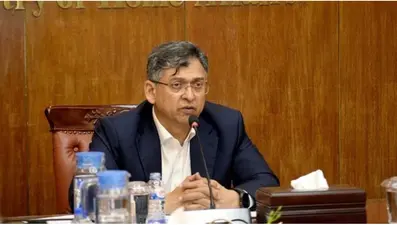
Home Affairs Adviser Lt Gen (Retd) Md Jahangir Alam Chowdhury has assured that the process of issuing Bangladeshi passports to nearly 69,000 Rohingyas residing in Saudi Arabia will be expedited. He made the statement during a courtesy meeting with Saudi Arabia’s Ambassador to Bangladesh, Dr. Abdullah Jafar bin Abiah, at his office at the Ministry of Home Affairs in the Secretariat on Thursday (15 January) afternoon. However, this initiative by the government has triggered serious questions and concerns across the country. Concerned quarters say that this is a decision beyond the jurisdiction of the interim government and could pose risks to national security and state interests.
According to experts, the Rohingyas are internationally recognized as displaced citizens of Myanmar. Providing them with Bangladeshi passports could effectively be considered a major step toward granting citizenship, which contradicts Bangladesh’s long-standing diplomatic stance and the policies presented at the United Nations.
A former diplomat, speaking on condition of anonymity, said, “If Bangladeshi passports are issued to the Rohingyas, it will send a message to the international community that Bangladesh is permanently assuming responsibility for them. This will weaken pressure on Myanmar regarding their repatriation.”
Legal and constitutional experts have also expressed concern over the issue. They argue that an interim government is primarily responsible for carrying out routine administrative functions. Taking such a sensitive and multidimensional decision lacks moral and constitutional legitimacy unless it is undertaken by a democratically elected government.
A constitutional expert stated, “Decisions related to national security, citizenship, and international relations taken without the approval of an elected parliament go against democratic norms.”
Security analysts fear that if Rohingyas obtain valid identification through Bangladeshi passports, it could create risks of misuse in terrorism, human trafficking, or international crimes in the future. At the same time, it could undermine the credibility of Bangladeshi passports at the international level.
Political analysts believe that taking such a decision ahead of a national election is politically sensitive and may create complex challenges for the future elected government.
Members of civil society maintain that while the Rohingya crisis is a humanitarian issue, its resolution must be guided by international law and national interest. They argue that the interim government should refrain from making such decisions and leave the matter to an elected government.
So far, the government has not provided any detailed explanation or clarified its policy position on the matter, further increasing public questions and uncertainty.