

Where Are Women in the Election Battle? Have Parties Honored Their Commitments?
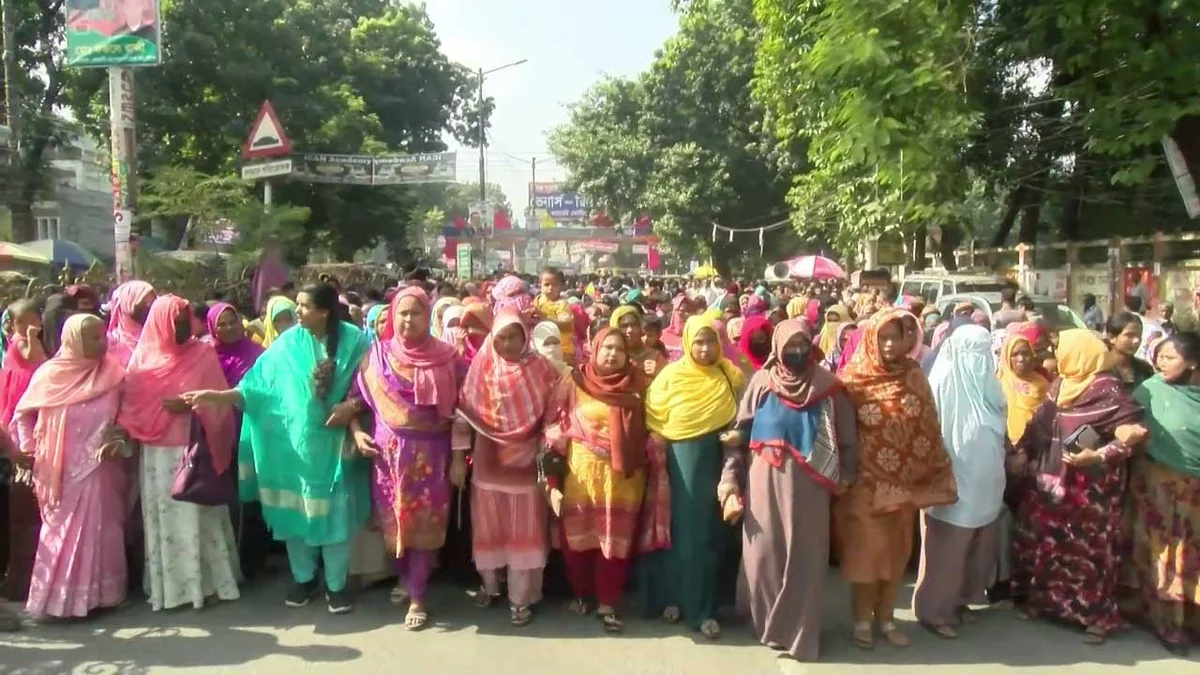
Although women were at the forefront of the July movement, how far will their aspiration for increased representation in the legislature of a changed Bangladesh be fulfilled in the upcoming national election?
As part of the interim government’s initiative for state reform to bring the country back to a democratic path, it was stated that in the 13th parliamentary election, political parties would nominate at least 5 percent women candidates in the existing 300 parliamentary constituencies. Have the parties complied with this commitment?
In this election, more than a hundred women candidates both party-backed and independents submitted nomination papers. Of them, around 65 have survived the scrutiny process. How many will finally remain in the electoral race after regaining candidacy through appeals will be finalized on January 20.
Among the parties that signed the July National Charter, BNP, one of the country’s largest political parties in terms of numbers, is ahead in absolute figures but lags behind in meeting the 5 percent requirement.
Although more than 300 nomination papers were submitted by BNP due to multiple aspirants in the same constituencies, the party had only 10 women candidates.
In second position is the newly registered party Bangladesh Socialist Party (BASAD–Marxist), which nominated nine women candidates. It is the only party that nominated women for one-third of its total candidates.
According to Election Commission data, although 51 political parties are contesting the election, at least 30 parties did not nominate a single woman candidate. These parties include Jamaat-e-Islami and Islami Andolon.
However, the July National Charter states that until the target of nominating at least 33 percent or 100 women candidates is achieved, political parties must continue to increase women’s nominations by at least 5 percent in every general election.
Badiul Alam Majumdar, a member of the National Consensus Commission, expressed disappointment over the failure of political parties to keep their commitments.
He told bdnews24.com, “This is unfortunate. The parties agreed and committed to nominating 5 percent women candidates in the next election. Failing to do so is a breach of commitment and will not create a positive perception about their credibility.”
“I am somewhat disappointed that political parties did not uphold this commitment,” said the election expert.
Following the mass uprising on August 5, 2024, which led to the fall of the Awami League government, the interim government took charge of the country.
Led by Muhammad Yunus, the government initiated state reforms for democratic transition. After nearly a year of discussions, dialogues, and debates along with notes of dissent political parties reached consensus on a total of 84 reform proposals.
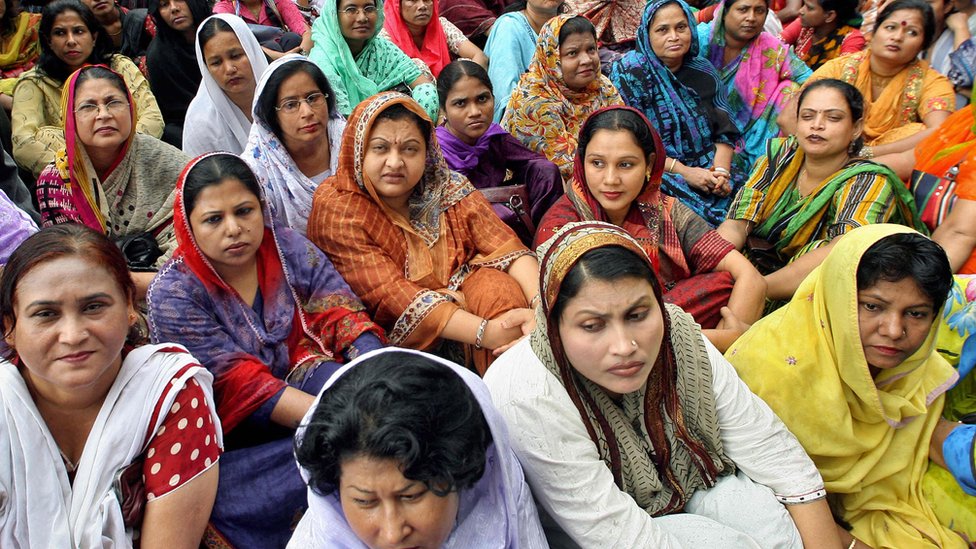
Although it was agreed that women candidates would be nominated in 5 percent of parliamentary seats through direct elections, reluctance from Islamist parties became evident during the dialogue process.
The Consensus Commission had recommended that political parties ensure one-third or 33 percent women candidates in the 300 directly elected parliamentary seats. Women’s rights activists had made nearly the same demand.
Women’s rights activists have taken to the streets, holding rallies and assemblies on this issue.
Bangladesh Mahila Parishad President Fauzia Moslem expressed concern that most parties did not include women in their candidate lists, even though BNP and a few other parties nominated women candidates.
She said, “The progress of political parties in promoting women’s leadership is very disappointing. Even the progress that has been made is not acceptable. Looking at the nomination pattern, there is no indication that political parties are giving serious consideration to bringing women into politics.”
On November 3, BNP announced candidates for 237 constituencies. At that time, 10 women were nominated in a total of 12 constituencies, including three seats for BNP Chairperson Khaleda Zia.
BNP Standing Committee member Salahuddin Ahmed told bdnews24.com that the party nominated women candidates in 5 percent of seats for direct elections to increase women’s representation.
BNP Chairperson Khaleda Zia submitted nomination papers in three constituencies, which were later excluded from scrutiny due to her death.
BNP Senior Joint Secretary General Ruhul Kabir Rizvi told bdnews24.com, “BNP supports women’s empowerment. With that objective, the party has nominated women candidates for direct elections. We believe this process will expand further in the coming days.”
After BNP, the parties that nominated the most candidates are Bangladesh Jamaat-e-Islami with 276, Islami Andolon Bangladesh with 268, Jatiya Party with 224, Gono Odhikar Parishad with 104, and Bangladesh Khelafat Majlish with 94.
However, after adjustments for alliance partners, the final number of candidates from these parties may decrease.
68 Women Candidates Submit Party Nomination Papers
With voting scheduled for February 12, the process of finalizing candidates is underway.
The Election Commission completed scrutiny of nomination papers on Sunday. Appeals against returning officers’ decisions began the following day. Appeals will be resolved by January 18.
Returning officers declared 1,842 nomination papers valid and rejected 723 for the 300 parliamentary seats.
The last date for withdrawing nomination papers is January 20. Election campaigning will begin the day after symbol allocation on January 21.
In this election, 68 women candidates from 20 parties received nominations. Additionally, 37 women submitted nomination papers as independent candidates, of whom five remain valid.
Women’s Participation in Reserved Seats
In 1973, 15 seats were reserved for women against 300 directly elected parliamentary seats. This was later increased to 30 seats in the second, third, fifth, sixth, and seventh parliaments. Due to the absence of legal provisions, there were no reserved women’s seats in the fourth parliament, nor at the beginning of the eighth parliament.
In 2004, the 14th constitutional amendment increased the number of reserved seats to 45, which continued in the ninth parliament. In 2011, the 15th amendment added five more seats, bringing the total to 50.
Women’s Participation in Elections Has Increased
In the fifth national election in 1991, 39 women contested, of whom five were elected.
In the sixth election, eight of 36 women candidates were elected; in the seventh, six of 38; in the eighth, 19 of 59; and in the tenth election, 18 of 29 women candidates won.
In the 11th national election, 68 women contested in 69 constituencies, and a record 22 were directly elected to parliament.
In the most recent 12th parliamentary election on January 7, 2024, 94 women candidates contested, including 26 independents. Fourteen political parties nominated 68 women candidates.
Of the 19 women elected, 15 were from the Awami League and the rest were independents.
Source: bdnews24