
Bangladesh’s ILO Commitments and the Race to Secure EU Trade Access
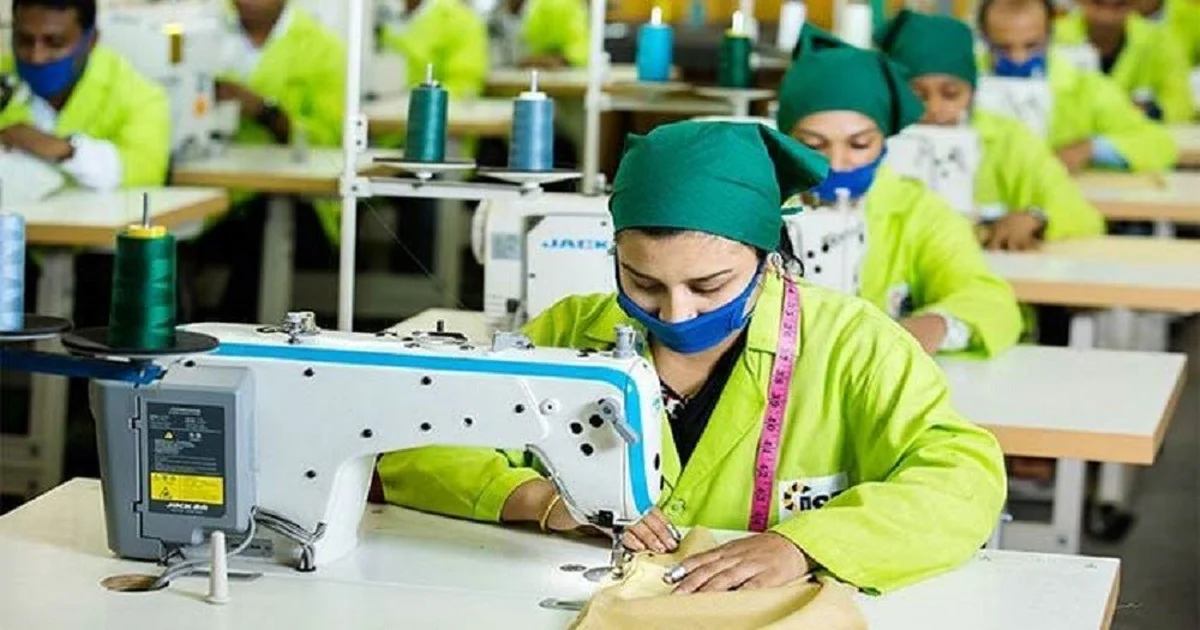
Bangladesh has recently ratified important labour-standard conventions under the International Labour Organization — covering issues like workplace safety and protection against harassment. This signals Dhaka’s commitment to upholding international labour rights and improving working conditions in its garment industry.
This move comes at a critical moment. Bangladesh’s current duty-free benefit under the EU’s “Everything But Arms” scheme will end in 2029, following its graduation from “Least Developed Country” status. After that, exports — especially ready-made garments — could face standard EU tariffs unless Bangladesh secures new preferential access.
To retain access without tariffs, Bangladesh is now aiming for either:
- The EU’s “GSP+” scheme, which grants zero-duty access if labour, human rights, and environmental standards are upheld; or
- A Free Trade Agreement (FTA) that ensures stable market access after 2029.
The recent ILO ratifications strengthen Bangladesh’s case for GSP+ or a favourable trade agreement. Yet challenges remain: standard GSP+ eligibility may be complicated if export volumes exceed certain thresholds. Thus, Bangladesh may need a special waiver or lean on a negotiated FTA.
If Bangladesh fails to secure either, its exports risk becoming less competitive — potentially leading to lost orders, reduced export earnings, and job losses in the garment sector.
In short: by ratifying key labour-standards agreements now, Bangladesh is trying to safeguard its export future, but the next few years will be crucial — the country must successfully negotiate with the EU or diversify quickly to preserve its economic gains.