


79.46% MPs in 13th Parliament Are Millionaires; Major Parties Lead in Spending Limit Violations
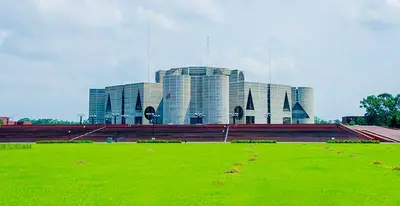
The 13th National Parliament has effectively been formed with a dominance of wealthy representatives, according to Transparency International Bangladesh (TIB). The organisation’s observations show that 79.46 percent of the newly elected Members of Parliament are millionaires, amounting to 236 individuals. Among them, 13 are worth over one hundred crore taka. This calculation is based on the declared current value of movable and immovable assets.
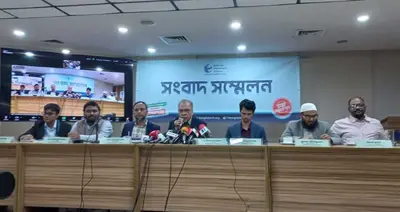
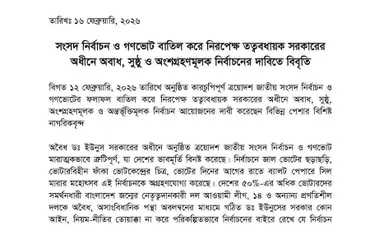
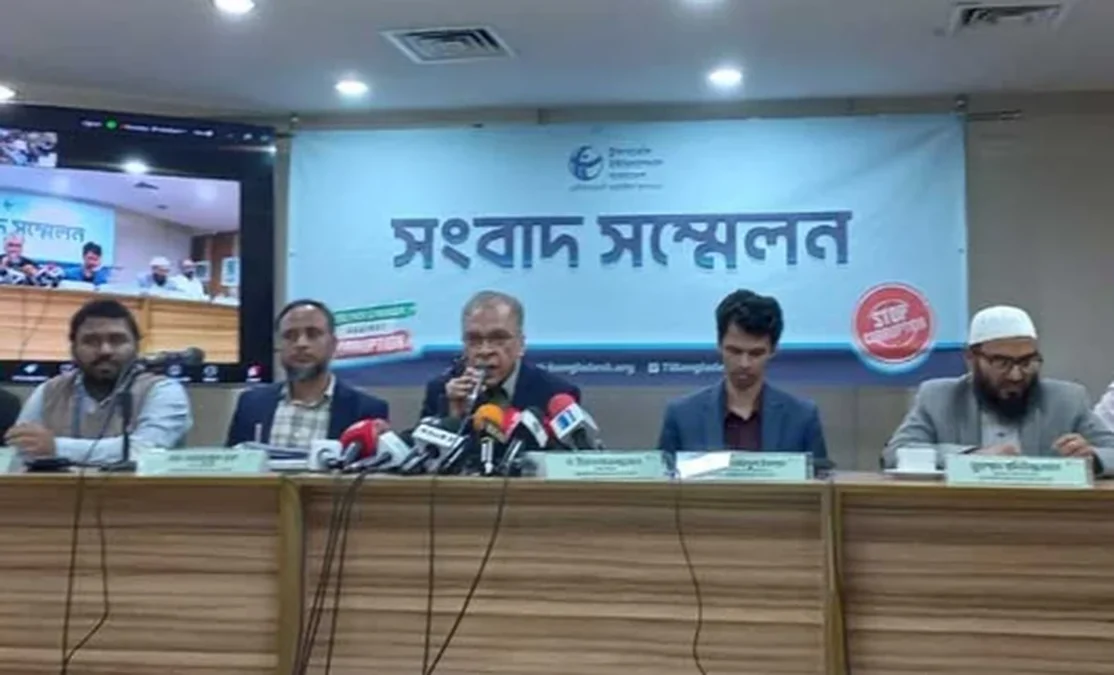
These findings were presented on Monday (16 February) at a press conference held at the MIDAS Centre in the capital, where a report titled “Observation of the 13th National Parliamentary Election Process and Affidavit-Based Analysis” was released. At the briefing, TIB Executive Director Dr. Iftekharuzzaman said that although the election was overall “acceptable and inclusive,” there were serious shortcomings in enforcing the code of conduct and ensuring a level playing field.
According to the report, half of the Members of Parliament have liabilities or debts, with total liabilities amounting to Tk 11,356 crore—the highest among the last four parliaments. In terms of professional background, nearly 60 percent of MPs are businesspersons. Although this is slightly lower than the 12th Parliament, it is higher than the 9th Parliament. Women’s representation has declined to just 2.36 percent, nearly half of what it was in the 9th Parliament in 2008.
The picture is even clearer regarding election expenditure. The maximum average spending limit for candidates was Tk 4.424 million (44 lakh 24 thousand), but the average actual expenditure was Tk 11.923 million (1 crore 19 lakh 23 thousand), meaning an excess of approximately Tk 7.498 million (74 lakh 98 thousand) on average. Violations of offline campaign expenditure limits ranged from 19 percent to as high as 328 percent. Among the top two parties, BNP and Jamaat-e-Islami candidates recorded comparatively higher levels of violations, reaching up to 327.5 percent in the case of BNP. Significant violations were also observed among candidates from the Jatiya Party and the NCP.
TIB’s research found multiple irregularities in 40 percent of the polling centres included in the study. It was claimed that 99 percent of candidates violated at least one of the 58 provisions of the electoral code of conduct. Allegations of voter intimidation or obstruction from entering polling centres were reported in 46.4 percent of cases. However, the organisation stated that 75 percent of attempted ballot fraud was prevented due to the active role of law enforcement agencies.
According to analysts, the prevailing trend of wealth concentration and excessive spending may gradually push Parliament toward becoming an elite club dominated by the affluent, where representation of ordinary citizens becomes comparatively limited. TIB noted that although the Election Commission’s efforts to exercise its authority were visible, non-cooperation by political parties and money-driven competition posed major obstacles to ensuring a level playing field.