Solution Uncertain, LPG Crisis May Be Prolonged
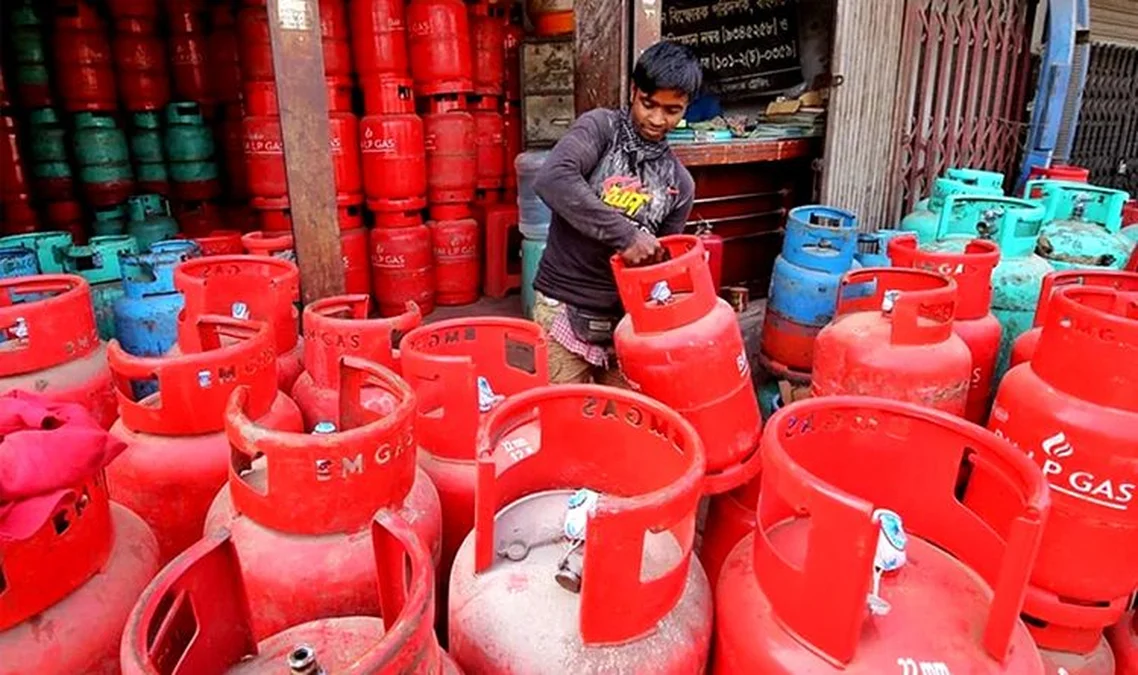
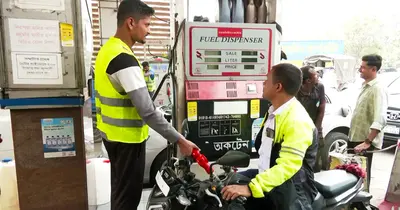
The liquefied petroleum gas (LPG) crisis that has been continuing for nearly two weeks has yet to find any effective solution. Traders are not responding to the government’s call. On the other hand, the government says that if the situation does not normalize, it will itself import LPG. However, the reality is that the government does not have sufficient capacity to import, bottle, and market LPG. As a result, even if it wants to, resolving the crisis overnight is not possible. Experts say that the government needs to take quick and realistic measures within the existing system to reduce public suffering.
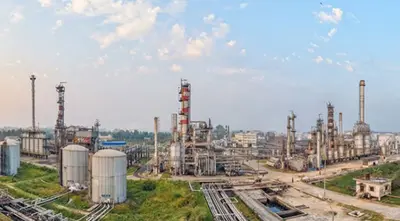
Approximately 98 percent of the LPG market distribution is in the hands of the private sector. Only 2 percent is controlled by government companies. The government does not directly import LPG. LPG obtained by processing byproduct condensate from the country’s gas fields, along with LPG received from the Eastern Refinery, is bottled and supplied.
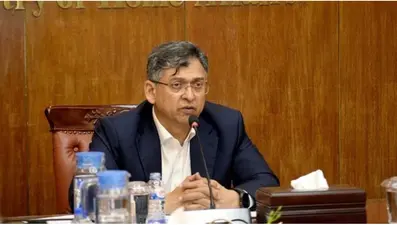
When asked about the issue, Energy Adviser Fauzul Kabir Khan said, “Ninety-eight percent of LPG is in the hands of the private sector. We have done everything that needed to be done from our side. Now there is only one solution—the government itself must start importing LPG.”
He said, “Considering the suffering of consumers, we have sat with LPG traders and also held discussions with the distributors’ association. But there is no alternative to increasing LPG imports to overcome the crisis. Traders have also been given permission to increase imports. We hope the problem will be resolved very soon.”
However, those concerned believe that even if the government imports LPG, the crisis will not be resolved quickly. This is because after import, bottling LPG and delivering it to consumers requires time and large-scale infrastructure.
As an alternative, the use of idle infrastructure of certain companies could be considered, although under the existing system this too involves various procedures, including calling for tenders.
It may be mentioned that to overcome the financial crisis of LPG traders, the government recently issued an order allowing loans with a tenure of 270 days after opening letters of credit (LCs). At the same time, VAT on LPG has been reduced to 5 percent. However, these decisions will become effective only after new LCs are opened and LPG arrives in the country. Before that, resolving the ongoing crisis is not possible, according to those concerned. Generally, from opening an LC to import, bottling, and distribution takes at least two months.
When asked about the causes of the crisis, a sector-related businessman said, “At the grassroots level of Bangladesh’s LPG market, Bashundhara has the most extensive network. Currently, the company is unable to import sufficient LPG. The two companies of Beximco and S Alam Group, which had monopolistic influence in the market during the previous Awami League government, are also now in a fragile condition. Previously, in such situations, the government would provide various forms of support—from easing financial crises to arranging dollars. The absence of such support at present is creating the crisis.”
Inquiries reveal that in December, only 10 out of the country’s 23 companies imported LPG. The remaining 13 companies were unable to do so.
The 10 companies that imported LPG are—Omera, Total Gas, Delta, Fresh, iGas, Jamuna, Petromax, BM Energy, Sena Kalyan, and Laugfs.
Sector insiders say that when major companies stopped supplying LPG, dealers, distributors, and retailers feared a shortage. As a result, some began stockpiling cylinders in advance. This further intensified the crisis.
In this regard, Humayun Rashid, Vice President of the LPG Operators Association of Bangladesh (LOAB), said, “There are a total of 28 licensed LPG companies in the country. Among them, seven to eight companies were able to import regularly. More than 20 other companies could not import due to various complications.”
He said, “LPG has started arriving in small cargo shipments. The market will begin to normalize within the next 10 to 12 days.”
He further said, “Some people have deliberately increased prices by taking advantage of the crisis, creating a sense of panic. We hope this will subside quickly.”
Regarding solutions, energy expert M. Tamim said, “The barriers that exist in LPG imports must be removed quickly by the government. If necessary, some concessions should be given considering consumer suffering.”
He said, “A bigger problem than price is the shortage. If supply does not meet demand, suffering is inevitable.”
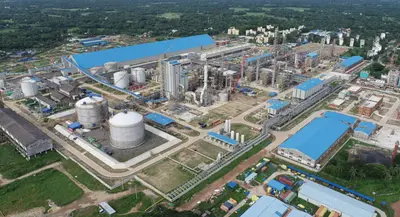
It is worth noting that the government LPG company—primarily LP Gas Limited—has two main plants located in Chattogram and Kailashtila in Sylhet. Together, these two plants have a total annual production capacity of approximately 33,000 metric tons. Of this, the Chattogram plant has an annual production capacity of 25,000 metric tons, while the Kailashtila plant in Sylhet has a capacity of 8,000 metric tons.
On the other hand, the country’s total annual demand for LPG is approximately 1.2 million to 1.6 million metric tons. Although increasing government-level LPG import and bottling capacity has been discussed for a long time, there are allegations that it has not been implemented in reality.