


Ballot Paper Without the Boat Symbol After 30 Years
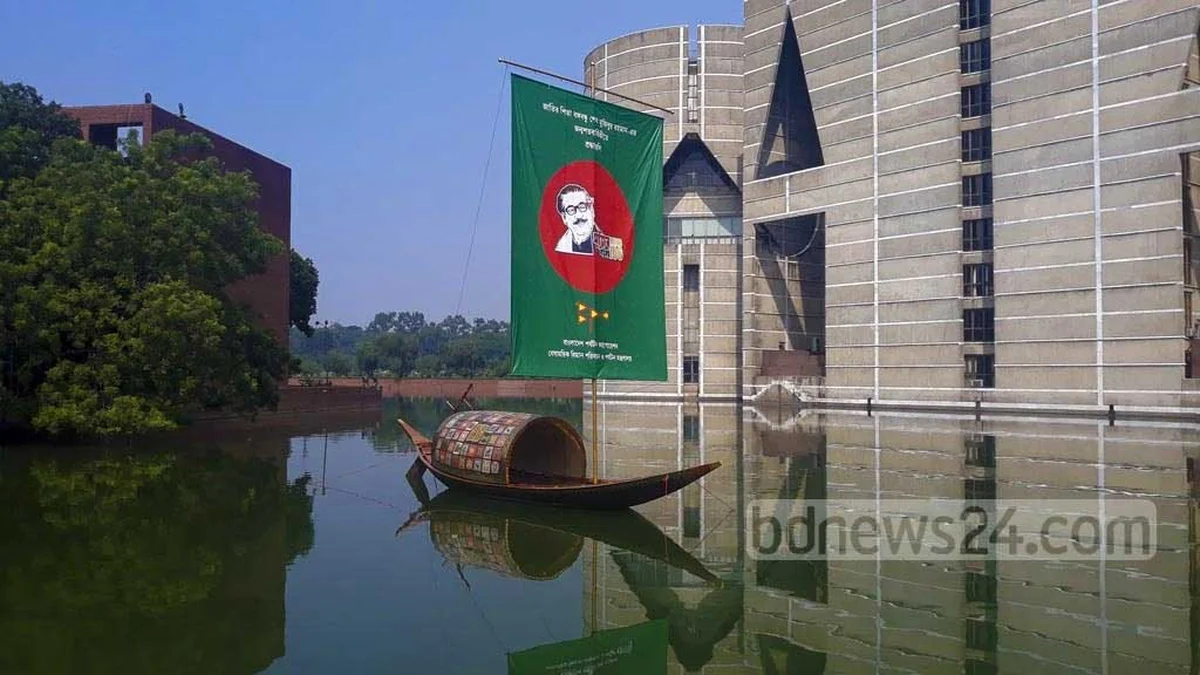
One of the country’s oldest political parties, the Awami League, boycotted the election twice; and this time, due to the suspension of its registration, it did not get the opportunity to contest at all. As a result, the boat symbol is not even on the postal ballot.
Amid political movements, the Awami League boycotted the elections in 1988 and 1996. Altogether, out of 13 elections, the boat symbol did not appear on the ballot paper in three of them.
After being ousted from power in the July mass uprising, the interim government imposed a ban on all activities of the Awami League on May 12 last year. Shortly afterward, the Election Commission also suspended its registration as a political party.
The government stated that until the trial at the International Crimes Tribunal is completed for “enforced disappearances, killings, burning people alive, genocide, unlawful detention, inhumane torture, looting, arson, terrorist activities, and crimes against humanity” committed in suppressing the uprising, all activities of the Awami League and its affiliated organizations would remain banned. As a result, the party, which had been in government for more than two decades across six terms, lost the opportunity to participate in the election.
March 7, 1973: In Bangladesh’s first parliamentary election, the Awami League achieved an absolute majority.
February 18, 1979: In the second parliamentary election, the Awami League, led by Abdul Malek Ukil, participated and became the opposition party, while the BNP secured an absolute majority.
May 7, 1986: In the third parliamentary election, the Awami League participated and gained seats as the opposition; divisions appeared within the 15-party alliance over the issue of participation.
March 3, 1988: In the fourth parliamentary election, the Awami League along with most parties boycotted the vote.
February 27, 1991: Under a caretaker government, the Awami League-led 8-party alliance participated in the fifth parliamentary election. After the BNP’s victory, Awami League President Sheikh Hasina alleged subtle rigging.
February 15, 1996: While leading a movement demanding the introduction of a caretaker government system, the Awami League boycotted the sixth parliamentary election.
June 12, 1996: In the seventh parliamentary election, the Awami League achieved a majority.
October 1, 2001: After completing its term, the Awami League was defeated in the eighth parliamentary election.
December 29, 2008: In the ninth parliamentary election, the Awami League-led Grand Alliance won.
January 5, 2014: In the tenth national parliamentary election, held without the participation of the BNP and several opposition parties, the Awami League-led 14-party alliance secured an absolute majority.
December 30, 2018: In the eleventh national parliamentary election, held with the participation of all registered political parties, the Awami League won 258 seats.
January 7, 2024: In the twelfth parliamentary election, the Awami League won 222 seats. Sixteen parties, including the BNP, boycotted the vote.
February 12, 2026: Due to the suspension of its registration, the Awami League has no opportunity to contest the election.
After the introduction of the party registration system in 2008, 63 parties received registration. Among them, the registrations of three parties have been canceled, and one party’s registration remains suspended.
Out of 60 parties, 50 are participating in the 13th parliamentary election. A total of 2,009 candidates, including party nominees and independents, are contesting.
Source: bdnews24