



Pakistan Seeks to Buy 100,000 Tons of Rice for Shipment to Bangladesh
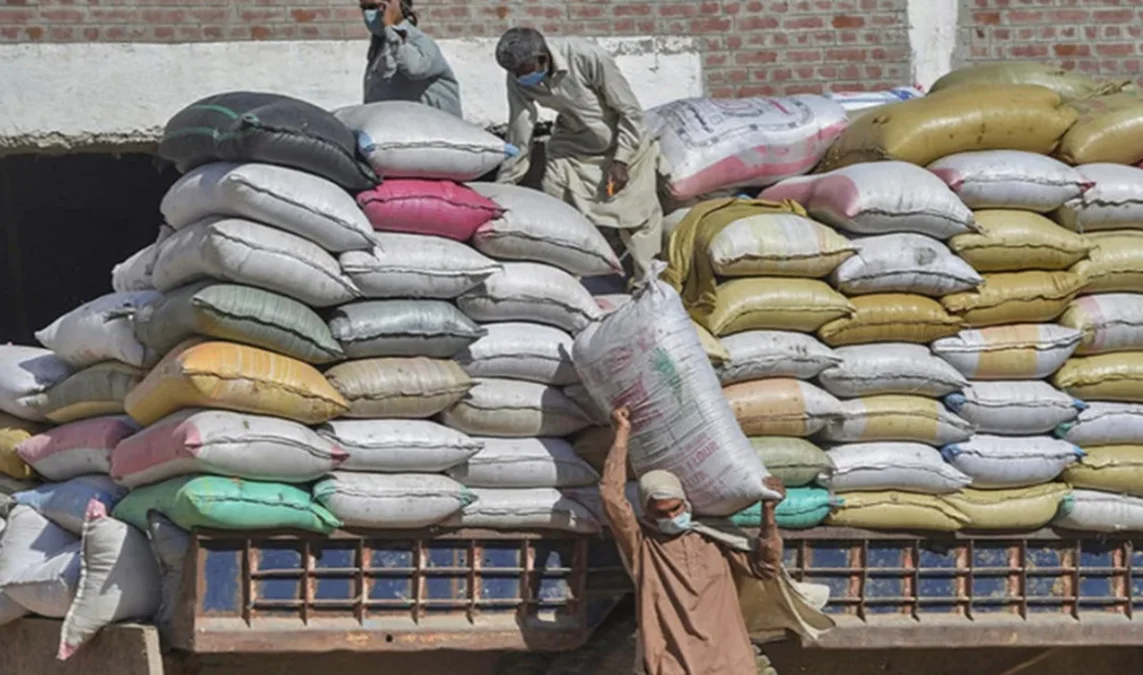
Pakistan’s Trading Corporation (TCP) has issued an international tender to purchase 100,000 tons of white rice for export to Bangladesh. The tender was published on Monday (24 November) by the Pakistani daily Dawn. It stated that long-grain “IRRI-6” grade rice will be purchased with the aim of supplying it to Bangladesh through the Karachi port. The deadline for submitting bids has been set for 28 November.
According to the tender, the rice must be human-edible, free from any fungus, bad smell, insects, or toxic weed seeds, and collected from Pakistan’s latest crop stock. Companies, partnership firms, and sole proprietorships—all will be able to submit proposals.
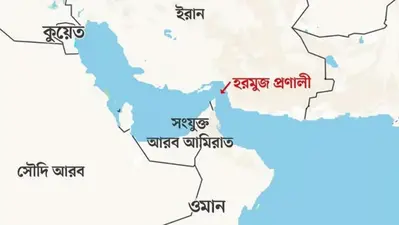
Bangladesh imported 50,000 tons of rice last February, marking a renewed commercial relationship with Pakistan. Since then, communication between the two countries has been increasing. Last month, Pakistan also proposed allowing the use of Karachi port to facilitate Bangladesh’s trade with regional countries, including China.
However, this rapid closeness—especially the sudden warming of relations after the fall of the Sheikh Hasina government in August 2024—has raised questions among political analysts. In the context of a long history of opaque and distrustful bilateral relations, this “overly submissive” attitude of Bangladesh’s interim government toward Pakistan seems politically motivated in the eyes of many.
Some economists and international relations analysts believe that Pakistan’s efforts at this closeness are part of a strategy to overcome its economic crisis and restore regional influence. For Bangladesh, such commercial opportunities are normal, but considering past history, they warn that overly dependent relations or unnecessary political intimacy could create risks in the future.
A senior trade expert commented, “Trade cooperation is a separate issue, but Pakistan is suddenly showing such interest that it indicates political gains beyond the scope of business.”
In this new chapter of Bangladesh–Pakistan relations, it is therefore necessary to proceed with a cool head—especially at a time when regional geopolitics is changing rapidly, and every decision can influence future strategic balance.