Victory Day Today
A Name Secures Its Place on the World Map — “Bangladesh”
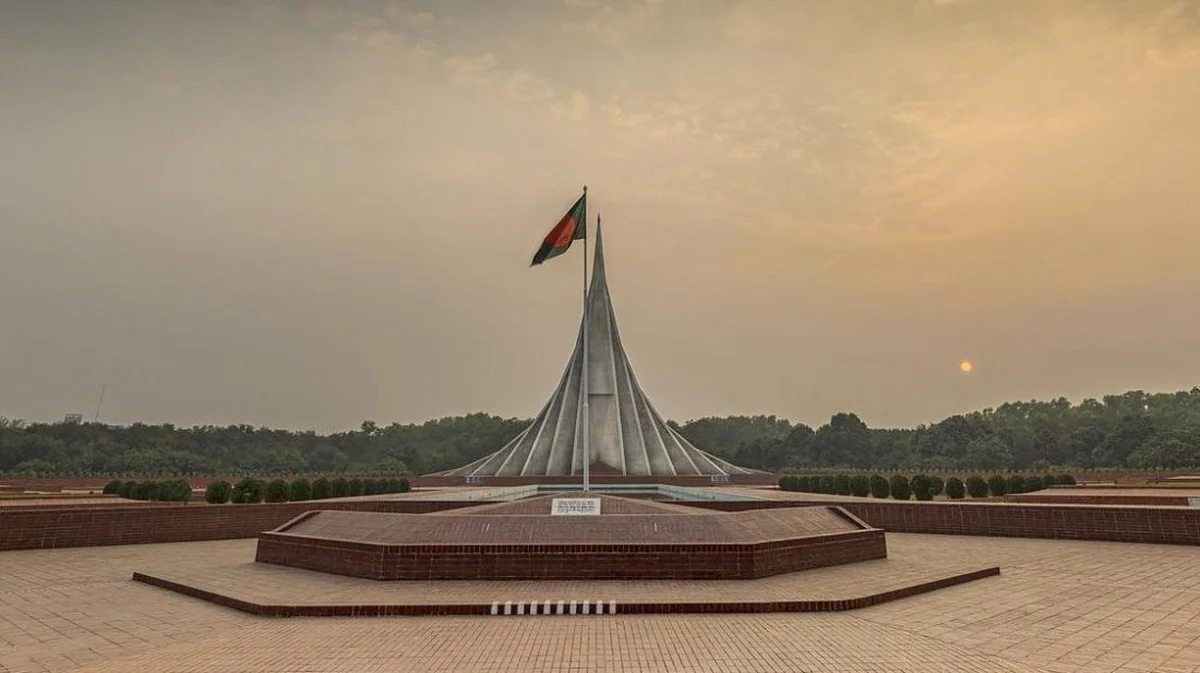
Today, December 16, is the Great Victory Day—the milestone day when the name “Bangladesh” was established on the world map as an independent territory. On this day, after nine consecutive months of the Liberation War that began in March 1971, the Pakistani occupying forces surrendered at the Racecourse Ground in Dhaka (present-day Suhrawardy Udyan). The name “Bangladesh” was inscribed on the world stage.
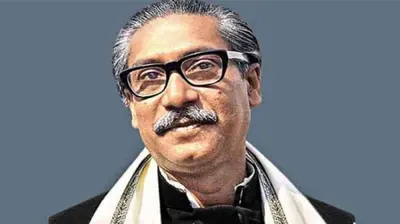
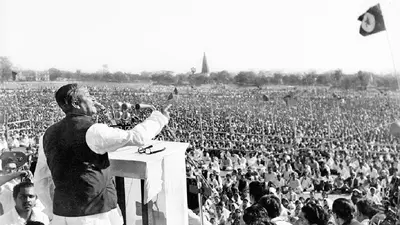
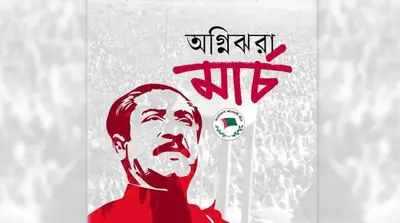
Under the leadership of Bangabandhu Sheikh Mujibur Rahman, following the historic March 7 speech of 1971, the Pakistani occupying forces began genocide on March 25. With Bangabandhu’s declaration of independence in the early hours of March 26, the formation of the Mujibnagar Government on April 17, and nine months of bloody Liberation War, independence was achieved. The final victory was attained through the surrender of Pakistani forces on December 16, 1971.
On this joyful day of victory, the nation will remember with deep gratitude and utmost respect the heroic sons who sacrificed their lives for independence. Victory Day is being observed for the second time in a somewhat different context amid political changes. After the July movement of 2024, the Awami League government fell. Facing resistance, the then Prime Minister Sheikh Hasina was forced to leave for India. The political activities of this party, which led the Liberation War, were banned.
December 8 to December 16: The Instrument of Surrender
On December 8, Indian Army Chief General Sam Manekshaw for the first time called upon Pakistani soldiers to surrender. At that time, liberated areas began to expand one after another. As part of the surrender process, General Manekshaw sent a third wireless message to Major General Rao Farman Ali of the Pakistani forces, stating that the Allied forces had surrounded Dhaka and that surrender would be advisable, as further bloodshed would be futile. Alongside radio messages, leaflets were also dropped from aircraft urging the Pakistani forces to surrender.
In his book Surrender at Dhaka, J. F. R. Jacob wrote about the surrender, “After inspecting the guard of honor, Aurora and Niazi walked toward the table. The instrument of surrender brought by Aurora was placed on the table. Niazi glanced over it with curious eyes and signed it. Aurora also signed.” In his book Surrender at Dhaka: Birth of a Nation, Jacob described the events of that time. He wrote, “At 9:15 a.m. on December 16, General Manekshaw called and told me to go to Dhaka immediately. He instructed me to make all arrangements for the formal surrender of the Pakistanis by that evening.”
That Bangladesh has now crossed 54 years. Along this long journey, different governments at different times have presented different interpretations of the Liberation War. In response to the question of why it has not been possible to reach a single point regarding the Liberation War narrative even after so many years, Liberation War researcher Afsan Chowdhury told Bangla Tribune, “There will not be a single narrative, but it is important that the narratives do not become contradictory.” He said, “Multiple types of forces worked in the Liberation War. Having only one narrative is problematic. There were separate struggles socially and at the state level. Different social classes will naturally have different narratives. However, those narratives must be fact-based. The problem is that our narratives have often become conflicting. Narratives have been constructed on political grounds and for self-interest, which is why there has been so much dispute.”
Source: Bangla Tribune