
Bangladesh Faces Unease Ahead of Parliamentary Polls
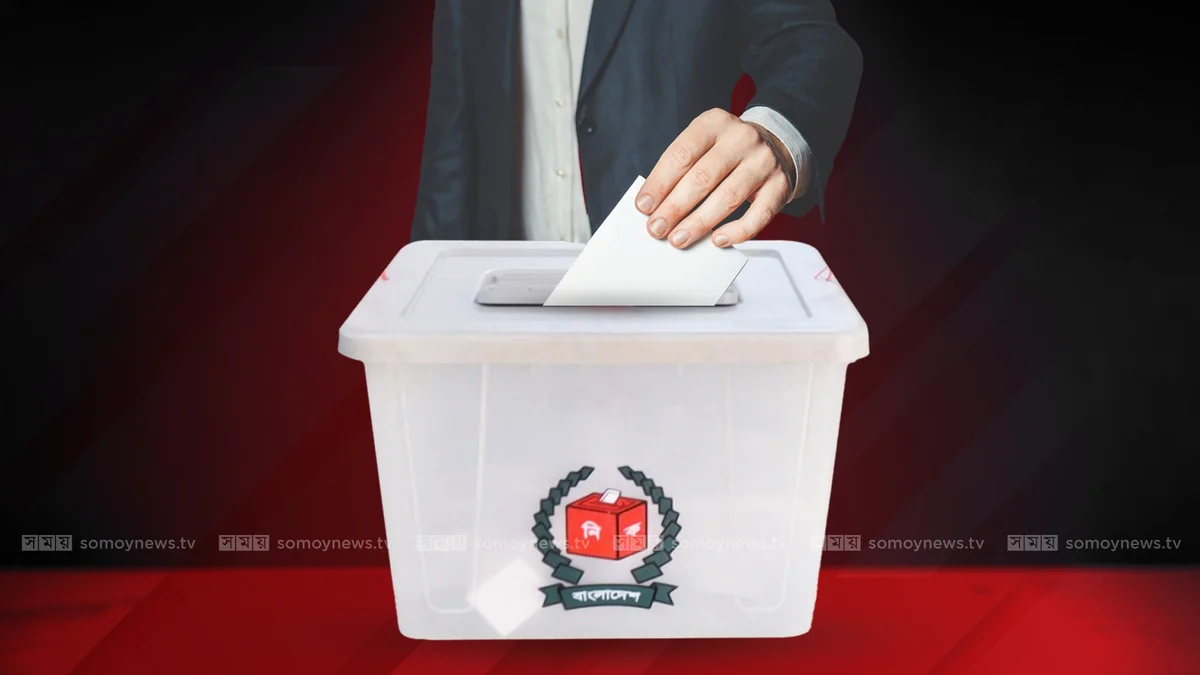
As Bangladesh moves closer to the national parliamentary election, an invisible but steady sense of unease has surfaced among the public. Citizens want to register as voters, but at the same time they are fearful—“Will I become a target of mobs while going to vote?”—the answer to this question is still uncertain. Debapriya Bhattacharya, Convenor of Citizens’ Platform, Bangladesh and economist, has noted that although the election is now an inevitable event, public anxiety remains about whether it will be acceptable and fair.
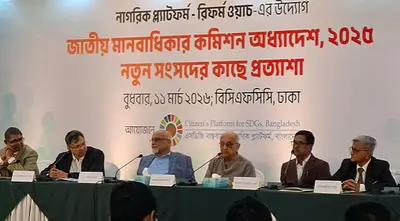
At a “Regional Consultation Meeting” held in the GEC area of Chattogram, Debapriya Bhattacharya told journalists, “Almost everyone is in favour of holding an election. Political parties, business groups, civil society, the military, and even the interim government want an election to take place. But public concerns about the capacity to organise an acceptable election while maintaining law and order have not gone away.”
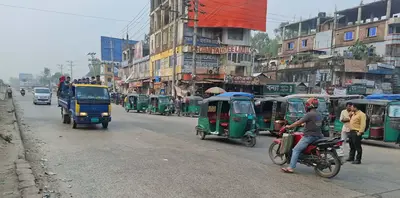
The root of this anxiety lies in the country’s law-and-order situation. Recently, incidents of mob violence, vandalism, and localised clashes have increased. Ahead of the polls, such incidents are generating fear among voters. Academics, engineers, doctors, women’s rights activists, environmentalists, students, and third-gender representatives attending the meeting expressed these concerns.
Debapriya Bhattacharya said, “Citizens have expressed their expectations for good governance, the rule of law, safety, and the protection of rights. They want competent administration, an independent judiciary, and a neutral law enforcement system. But since this structure is not functioning effectively, voters are anxious about going to polling centres safely.”
There has been little progress in internal reforms within political parties. Over the past one and a half years, no significant improvement has been seen in the democratic practices or corruption-free operations of political parties. Public frustration persists because, despite government announcements, political leaders have not disclosed transparent accounts of their income, expenditure, and assets.
Speakers at the meeting said it is essential to ensure accountability of public representatives and to bring transparency regarding the wealth and properties of political leaders and their families. Engineer Delwar Mazumdar, former president of the Institution of Engineers Bangladesh, Chattogram Centre, said, “Democratic practices within political parties must be strengthened. At the same time, public representatives must be held accountable before the people.”
Mohammad Nazimuddin, Vice-Chancellor of East Delta University, said at the meeting, “Whether we will become victims of mobs while going to vote—this is a real concern. People are unable to go to polling centres without fear.” This remark reflects the existing fear and uncertainty among citizens across the country.
Behind this public fear lies the failure of the government. Inadequate preparation by the administration and law-enforcement agencies, along with the lack of timely action by political leadership, is generating public anxiety. The absence of adequate security measures is also affecting the transparency and acceptability of the election process.
Debapriya Bhattacharya further said at the meeting, “Citizens expect effective measures from the Election Commission and the government. Steps must be taken now to ensure a fair election, curb corruption, enhance administrative efficiency, and guarantee the transparency of the electoral process.”
In addition, at the consultation meeting, academic Professor Md Shikandar Khan said that citizens must be aware of their rights and hold public representatives accountable. Without such mechanisms, even if the election is conducted properly, public trust will not be restored.
Political analysts believe that it is not enough to merely hold the election on time; it must also be safe and acceptable. Due to the fear of mob violence, government failures, and administrative complications, public unease has grown. Therefore, political parties, the Election Commission, and law-enforcement agencies must take firm action immediately; otherwise, the electoral process may lose public confidence.
Ultimately, this regional consultation meeting in Chattogram highlights that citizens want safe voting, accountability, corruption-free administration, and a transparent election. But if these expectations are not met, public participation may decline due to mob violence and unrest during the polls. Therefore, it is now the government’s responsibility to ensure a safe and acceptable election on time so that the democratic process is strengthened and public trust is restored.