



Bangladesh Faces Rising Prices of Essential Goods Ahead of Ramadan Despite Sufficient Imports
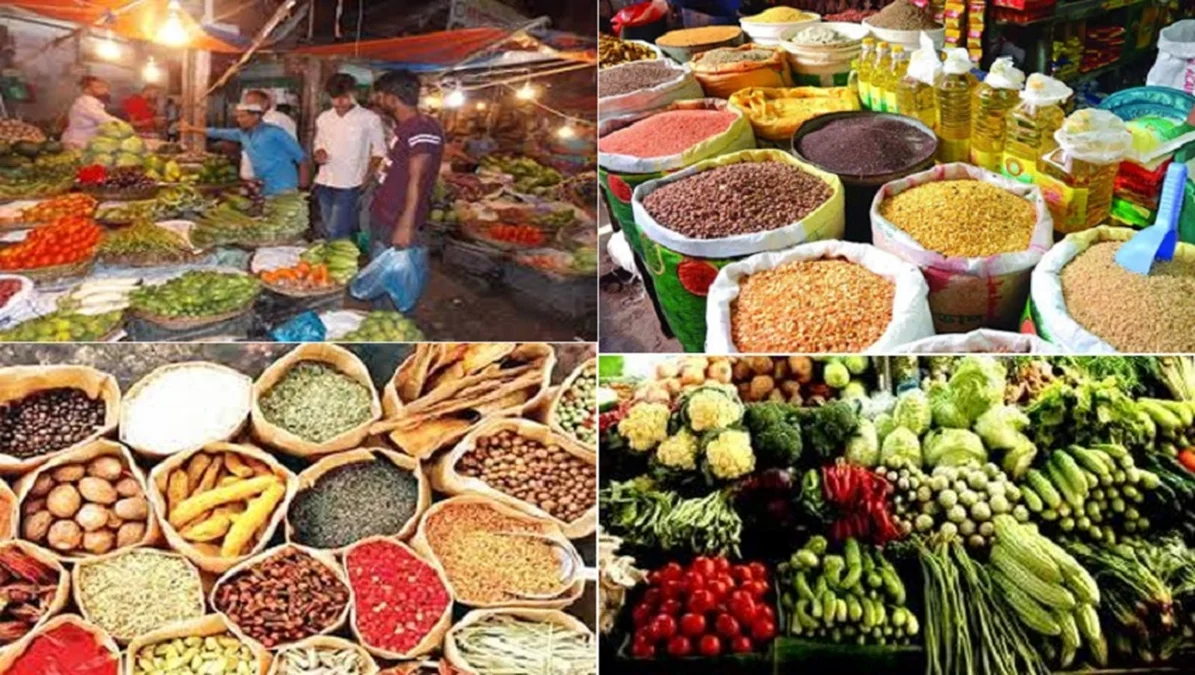
Nearly a month remains before the holy month of Ramadan begins, but even before that, instability has appeared in the essential goods market. The prices of soybean oil, palm oil, sugar, lentils, chickpeas, and ginger have increased over the past week. Traders claim that this year, in preparation for Ramadan, they have undertaken to import double the quantity of goods compared to last year. Goods have started arriving according to the letters of credit opened in September and October of last year. However, due to delays in clearing at Chattogram port, prices in the wholesale market are rising.
In Chattogram’s Khatunganj area, the price of chickpeas has risen from 70 to 75 Taka per kilogram. Anchor lentils are being sold at 45 to 48 Taka per kilogram. At the wholesale level, sugar is sold at 3,500 Taka per maund and palm oil at 5,990 Taka. Prices of ginger and garlic have also increased. This impact has already started to be felt in retail markets. According to the reports of the Trading Corporation of Bangladesh (TCB), prices of soybean oil, palm oil, and ginger are also rising in Dhaka markets.
Mustafa K. Mujeri, former Director General of the Bangladesh Institute of Development Studies, said that every year, traders raise prices before Ramadan under various pretexts. Without strict government action, consumer suffering increases. A H M Shafiquzzaman, President of the Consumers Association of Bangladesh, said that traders are making profits targeting Ramadan. Despite sufficient imports, prices are rising due to a lack of monitoring. According to him, the Ministry of Commerce must carry out strict supervision.
Currently, over 100 ships carrying more than 4.5 million tons of essential goods are awaiting clearance at Chattogram port. These include wheat, corn, soybean, chickpeas, lentils, edible oil, and sugar. An official from Nabil Group said that due to problems with lighter ships, the clearance of chickpeas, wheat, masoor, and peas is delayed. If the clearance is not expedited, supply shortages in the market will increase before Ramadan.
According to data from the central bank, a significant number of letters of credit have been opened for importing essential goods ahead of Ramadan. Imports of soybean oil have increased by 36%, sugar by 11%, masoor lentils by 87%, chickpeas by 27%, peas by 294%, and dates by 231%. Letters of credit worth $6.29 billion were opened in September and $5.64 billion in October.
The Ministry of Commerce and the National Board of Revenue have stated that customs duties and taxes on the import of essential food items, including edible oil, sugar, and lentils, have been kept at reasonable levels. This is expected to reduce costs for importers and increase supply in the market. However, consumers are yet to benefit from this.
Price increases in essential goods before Ramadan are not new. However, this time, despite sufficient imports, prices are rising due to port congestion and lack of monitoring. If the government does not act quickly, ordinary people will face even higher price pressures during Ramadan.