




Convicted Bureaucrat Ismail Zabiullah Appointed Adviser with Ministerial Rank
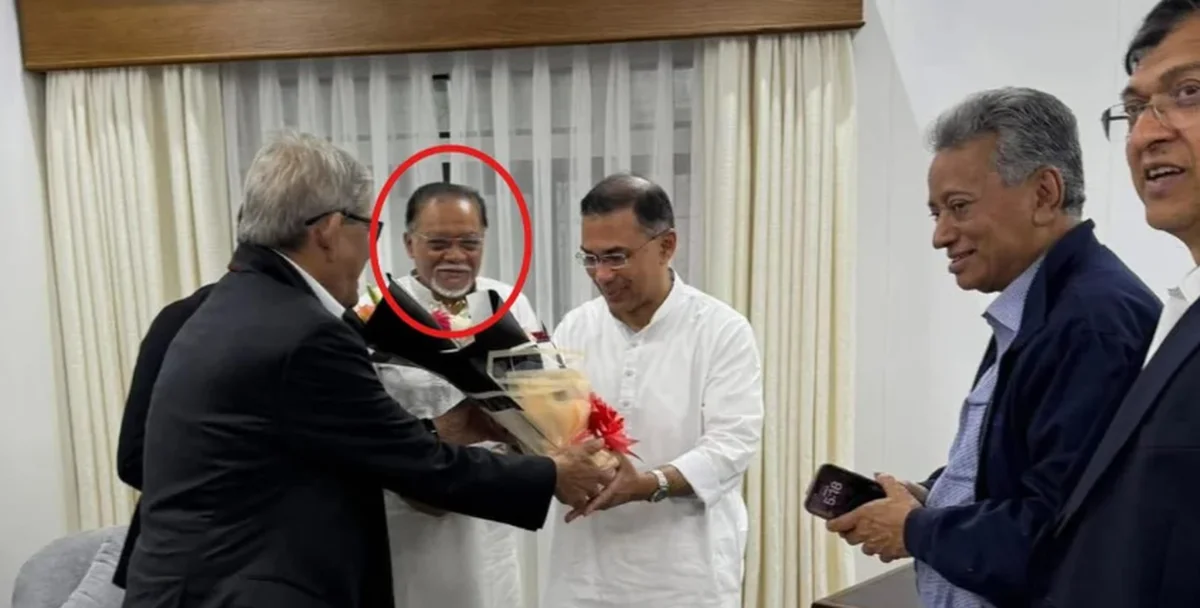
A former secretary, Md. Ismail Zabiullah, who was sentenced to 13 years in prison in a case of illegal wealth accumulation, has been appointed as an adviser to the Prime Minister with the rank of full minister by the new government. The announcement came on the very first day of the cabinet led by Prime Minister Tareq Rahman, raising questions among concerned observers as it appears to conflict with the new Prime Minister’s declared anti-corruption stance.
2009 Conviction: What Was the Case About
On 2 July 2009, after surrendering, the Dhaka Metropolitan Special Judge Court-7 sent Ismail Zabiullah to jail. Earlier, on 5 June 2008, in a case filed by the Anti-Corruption Commission, he had been sentenced in absentia to 13 years’ imprisonment. The charges included acquiring assets worth 12.963 million taka disproportionate to his known sources of income and concealing asset information worth 11.601 million taka in the statement submitted to the ACC. The trial court sentenced him to 8 years in prison for illegal wealth accumulation and 5 years for concealing information. In the same case, his wife was also sentenced to 3 years in prison.
Ministerial Rank in 2026
On 17 February 2026, a gazette notification issued by the Cabinet Division by order of the President stated that former secretary Md. Ismail Zabiullah had been appointed as an adviser to the Prime Minister with the rank of full minister. In the past, he served as secretary in several important ministries and divisions, including the Ministry of Shipping, the Economic Relations Division, and the Ministry of Social Welfare. Within party circles, he has long been regarded as influential and was also associated with the party’s election management committee in the recent national election.
Promise vs. First-Day Decision
During the election campaign, the new Prime Minister Tareq Rahman repeatedly pledged “zero tolerance” against corruption. However, questions have arisen in the public sphere about how consistent that declaration is with appointing a bureaucrat convicted on corruption charges to a ministerial-ranking advisory position. According to analysts working on governance and accountability, placing a person convicted of corruption in a high state office could weaken the government’s moral standing and risk undermining its anti-corruption message.
No detailed explanation has yet been provided by government sources regarding the appointment, particularly concerning the conviction, appeal status, or subsequent legal developments. Nevertheless, the ethical question remains: should a person convicted of corruption be given a place within the state’s highest policy-making structure?
Political Message and Public Trust
For a government that came to power pledging an anti-corruption fight as one of its key commitments, its first-day appointment decision carries an important message for public trust. Critics argue that if a “tough stance against corruption” is truly a priority, then demonstrating transparency and high ethical standards regarding previously convicted individuals is essential. Otherwise, the gap between promise and practice may call the government’s credibility into question.