


Unanswered Appeal From Press Secretary Points to State Allowing Media Attacks, Nurul Kabir Claims
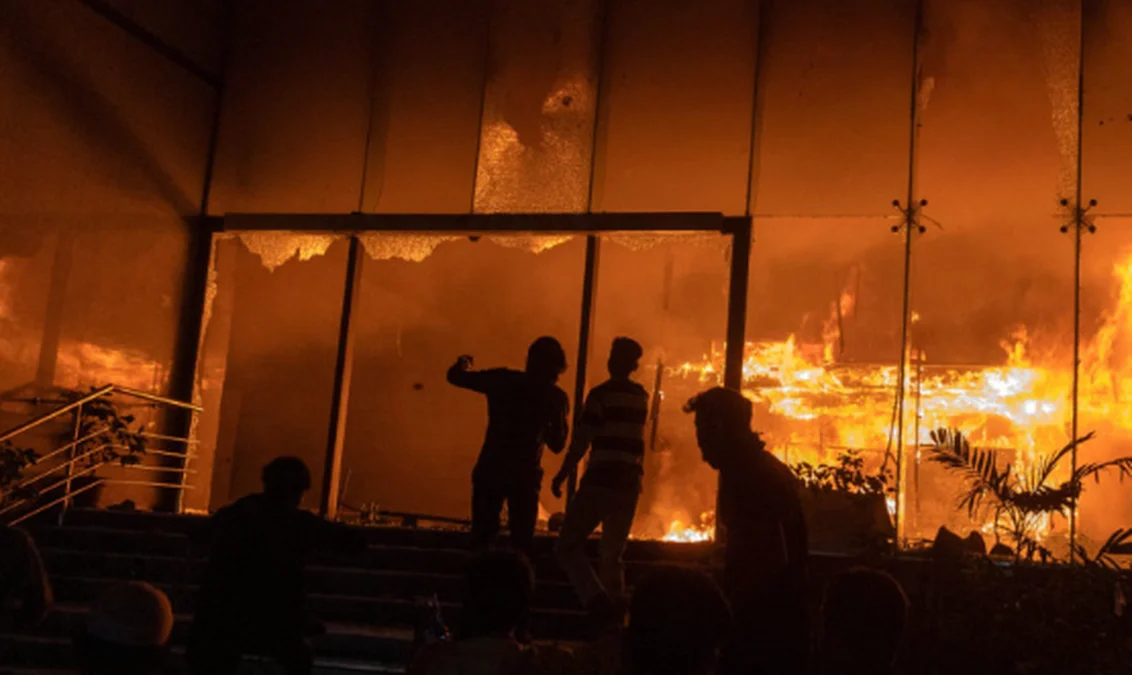
Nurul Kabir, president of the Editors’ Council and editor of New Age, has described the recent attacks on the offices of The Daily Star and Prothom Alo as “planned and organized violence.”
He again alleged that the government either allowed these attacks to happen or failed to prevent them.
Recently, in an interview with Al Jazeera, Chief Adviser’s Press Secretary Shafiqul Alam dismissed Nurul Kabir’s allegations against the government as “baseless.”
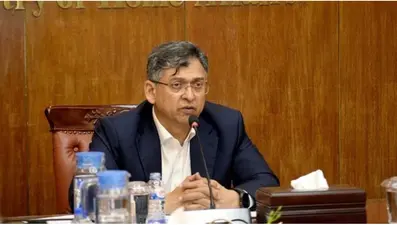
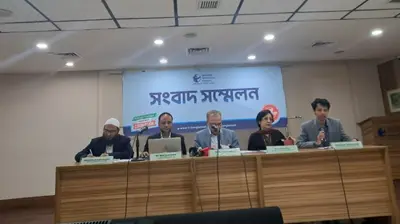
Speaking on Tuesday at a discussion titled “Media Reform in Bangladesh: Balancing Freedom, Accountability and Power” organized by the Centre for Governance Studies (CGS) at the CIRDAP auditorium in the capital, Nurul Kabir said, “His (Shafiqul Alam’s) own statement is the biggest piece of evidence.”
At the event, the New Age editor referred to a Facebook post made by the press secretary on the night of the attacks on the two media offices, saying, “In that post, Shafiqul Alam stated that he had sought government assistance throughout the night but did not receive any.”
Nurul Kabir argued, “If the press secretary to the chief adviser himself could not get help despite asking for it, then it means the government allowed these incidents to happen.”
Referring to the incident in which journalists were confined and fire was set at the Daily Star office, Nurul Kabir said, “This was not a spontaneous incident. It was completely planned.”
Speaking about the role of journalism in a democratic society, Nurul Kabir said, “Criticizing power is the job of journalism. Journalism that does not oppose power is essentially public relations. It does not matter who is in power; preventing the abuse of power is the primary objective of democratic journalism.”
He further said, “Press freedom is not only for journalists; it is a right of the people. Through it, public opinion is formed, which is essential for democracy.”
Emphasizing job security for journalists and the implementation of the wage board, Nurul Kabir said, “This is not only the government’s responsibility; media owners also have a duty.”
The editor also said that transparency and a clear code of conduct are necessary for both journalists and media owners.
Warning on the issue, Nurul Kabir said, “If there is a lack of professional unity, democratic journalism will not survive.”
He described the current situation as a “national intellectual crisis.”