



72 Million Garment Workers at Risk
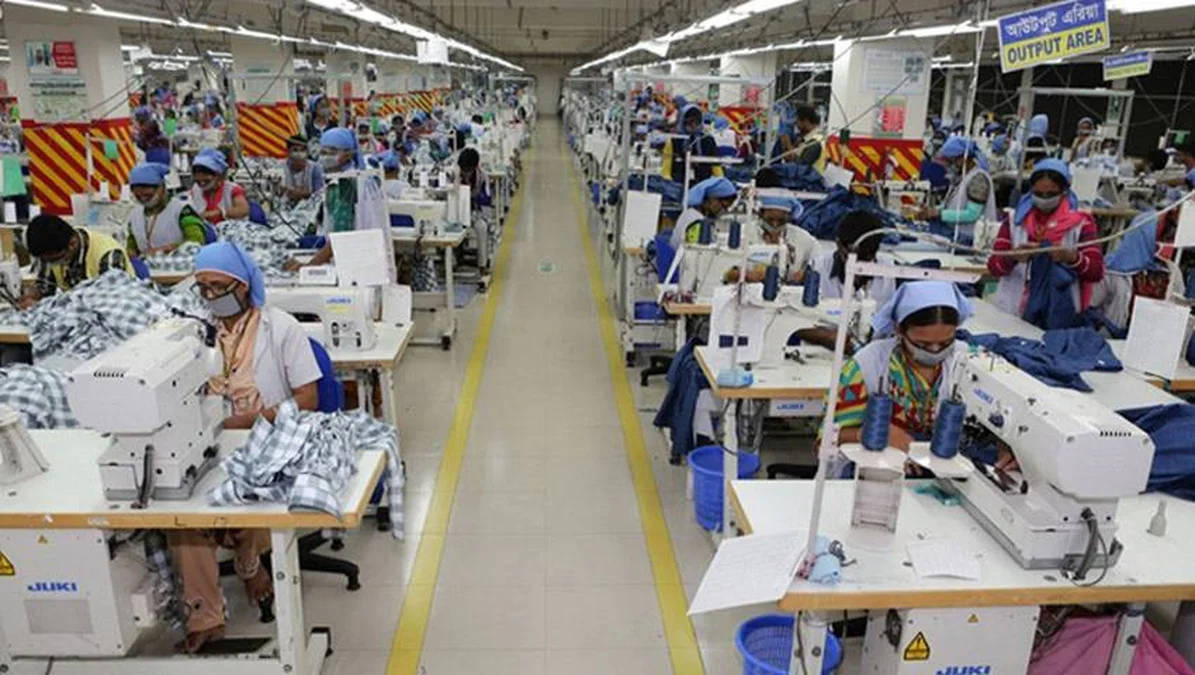
Growing temperatures are creating severe risks to the health, safety and livelihoods of garment-workers worldwide. The international human-rights organisation Clean Clothes Campaign (CCC) is now calling upon fashion brands, suppliers and governments to take action.
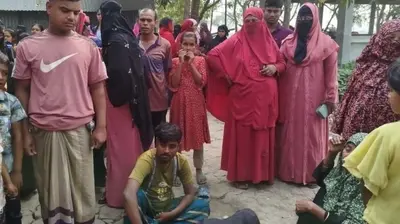
In its report titled Heat and Garment Workers’ Rights: Fashioning a Just Transition, the organisation states that rising global temperatures due to climate change have put around 72 million workers at risk. Most of them are women, migrants or home-based workers, who are now facing a variety of hazards including illness, harassment and wage deprivation.
The report says the apparel industry is particularly vulnerable to the effects of temperature rise — because it is already operating under high-heat conditions. Published on October 15, the report points out that countries heavily dependent on garment exports and simultaneously at risk from rising temperatures — labelled the “Critical 9” — include six major garment-producing nations (India, China, Indonesia, Pakistan, Bangladesh and Brazil). But the problem is not limited to these countries: in nations such as Cambodia, the Philippines, Uganda and Serbia workers are also experiencing the negative impact of high temperatures in workplaces or at home.
CCC notes that the fashion industry itself emits huge amounts of greenhouse gases and causes serious environmental damage, thereby accelerating global warming. And yet those working on the lowest wages in this industry are the first and most severely impacted by the climate crisis. According to the report, as the climate and environmental crisis deepens, excess heat in the workplace ceases to be merely an occupational health issue and becomes a structural threat. It intensifies existing labour-rights violations and gives rise to new forms of such violations.
The CCC states that responsibility for rising temperature is not only that of fashion brands and suppliers — governments too must act. Governments must establish regulatory standards for workplace temperature control and build social-protection systems to address the impacts on workers’ health and income due to high heat.
Giuseppe Ciofo, a representative of the campaign’s international office, said governments must take the issue of workplace temperature seriously and act now to protect workers. He noted that necessary measures include establishing mandatory standards for monitoring workplace temperature, protecting workers from heat-related risks, providing mechanisms to reduce harm when workers fall ill due to excessive heat, and preparing in advance for potential impacts on future employment.
The report states that governments, suppliers and brands must act rapidly to reduce their contribution to climate change and take concrete steps to protect workers’ rights. Exploitative business practices must end, the right to decent work in climate-vulnerable regions must be ensured, and investment must be made in social-protection systems for all workers — regardless of contract type or migration status. If action is not taken immediately, the report warns, garment workers will bear the brunt of the climate disaster — with grave consequences for their safety, livelihoods and future.