
Post-election violence has increased at a “significant rate.”
Participation of disabled and minority voters was limited
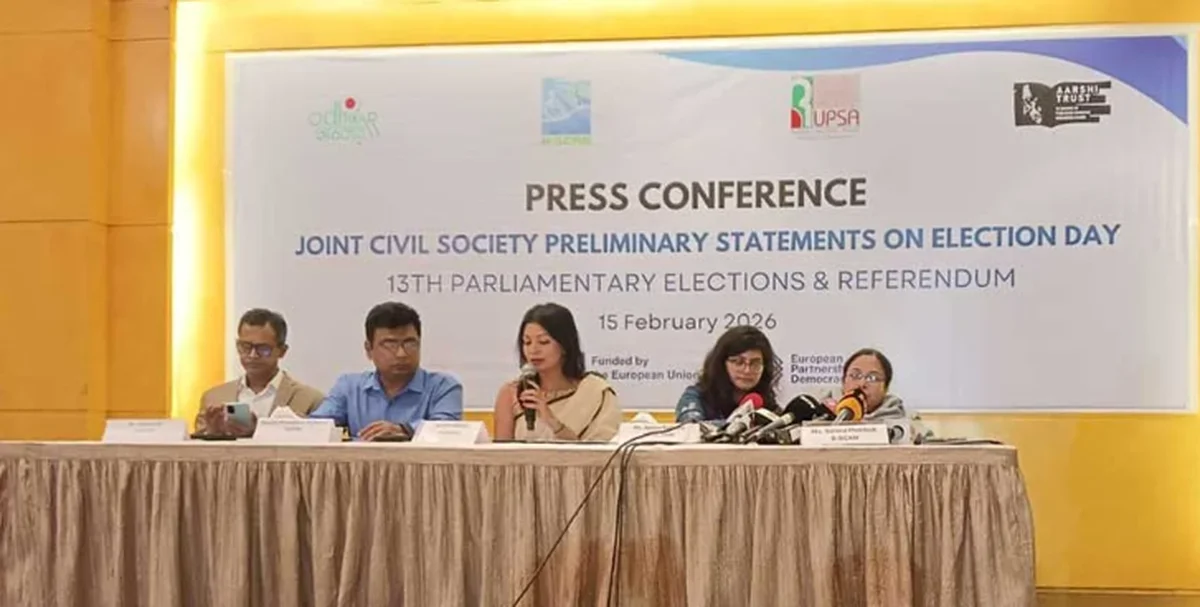
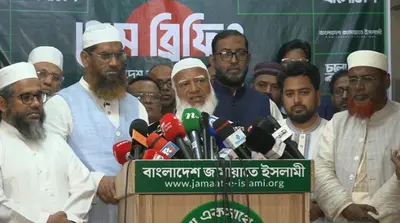
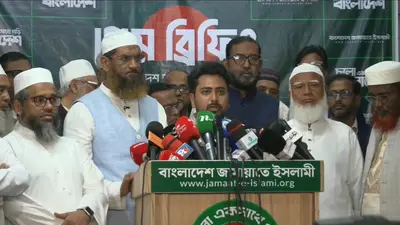
Although the overall process surrounding the 13th National Parliamentary Election and referendum remained largely peaceful, four civil society organisations have expressed concern over various limitations faced by marginalised communities in exercising their voting rights and the rise in post-election violence. Representatives of the organisations presented their preliminary observations at a joint press conference held at The Westin Hotel in Gulshan, Dhaka.
Infrastructural Barriers for Voters with Disabilities
B-SCAN, an organisation working with persons with disabilities, reported that most polling centres failed to meet minimum accessibility standards. In Meherpur, Faridpur, Dinajpur, and eight constituencies under Dhaka North and South City Corporations, 100 observers with disabilities monitored 100 polling centres. Their observations revealed that most centres lacked ramps, and where ramps existed, they were often unusable. In many cases, polling rooms were located on the third to fifth floors, effectively making them inaccessible for physically disabled and elderly voters.
There were no provisions for Braille ballots or appropriate signage for visually and hearing-impaired voters. Complaints were also raised that the curtains of secret booths were substandard, compromising voter privacy. In the case of neuro-developmental disabilities, instances were cited where election officials cast votes on behalf of voters under the pretext of assistance, raising serious concerns. B-SCAN recommended the introduction of postal ballots, mandatory placement of polling rooms on ground floors, and inclusion of disability-friendly provisions in the Representation of the People Order (RPO).
Experiences of Minority Voters: Confidence and Non-Cooperation
Rupsa, which conducted observations in 509 polling centres across 25 minority-populated constituencies, reported that although there had been fears of violence prior to the election, voting began on time in 98 percent of centres on polling day, with strengthened security measures in place. However, in 4.2 percent of centres, officials’ behaviour towards minority voters was not friendly. In 8.3 percent of centres, there were attempts by political agents to exert influence, and in 15.8 percent of centres, complaints were received that voters were unable to cast their ballots despite being within the designated boundaries. During vote counting, observers were denied full access in 6.5 percent of centres, raising further concerns.
Online Attacks on Women Candidates
Arshi Trust, a women’s rights organisation, stated that a large portion of the 85 women candidates faced “planned and coordinated” online attacks during their campaigns. Efforts were made to report and remove their pages and posts, while smear campaigns and trolling were frequent. Despite the existence of the Cyber Security Ordinance 2025, effective enforcement was not observed. The victory of only seven women candidates was described as a reflection of the adverse environment. The organisation demanded specific policies and enforcement measures to combat online gender-based violence.
Increase in Post-Election Violence
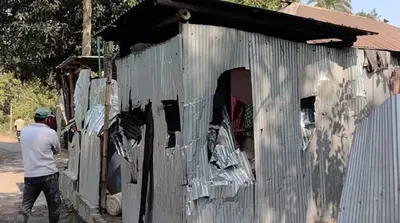
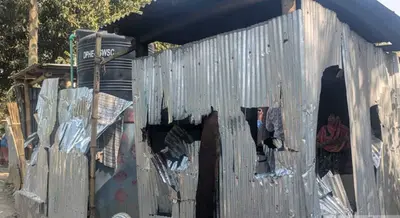
Human rights organisation Odhikar reported that between 18 January and 11 February, 61 incidents of violence were documented in 18 districts. On election day alone, 45 incidents of violence occurred in 22 constituencies. According to data available until 14 February, three people including one child were killed in post-election violence, and more than one hundred others were injured. It was alleged that in nearly two-thirds of the cases, law enforcement agencies failed to take timely and effective action. Approximately 6 percent of observers also faced obstruction while carrying out their duties.
The organisations stated that although the election was generally orderly, the democratic process remains questionable if inclusive participation, accessibility, and security are not ensured. They recommended legal and infrastructural reforms for marginalised voters, full independence for observers, and prompt and impartial investigations into incidents of violence.