



Bangladesh Resets Foreign Policy, Elevates Pakistan to Top Diplomatic Priority

In a significant diplomatic realignment, Bangladesh’s interim government led by Nobel laureate Dr. Muhammad Yunus has placed Pakistan at the forefront of its foreign policy agenda — a move that signals what analysts are calling a strategic “reset” in Dhaka’s regional outlook.
According to the report, the interim administration is actively seeking to diversify Bangladesh’s international partnerships by reviving institutional and economic cooperation with Pakistan after decades of limited engagement. The initiative underscores Dhaka’s determination to pursue an independent and balanced foreign policy, free from traditional regional alignments.
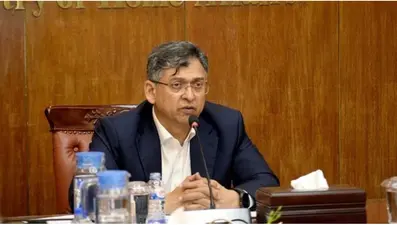
The recent meeting between Pakistan’s newly appointed High Commissioner and senior Bangladeshi officials took place in a “warm and cordial atmosphere,” suggesting a renewed willingness on both sides to rebuild trust and deepen collaboration.
The revival of the long-dormant Pakistan–Bangladesh Joint Economic Commission, inactive for nearly two decades, has been described as a cornerstone of this new diplomatic approach. The commission is expected to pave the way for enhanced cooperation in trade, energy, textiles, agriculture, and technology.
Preliminary estimates indicate that the renewed partnership could help unlock around $865 million in bilateral trade, with both Dhaka and Islamabad exploring new investment opportunities to boost economic integration.
Analysts say the move marks a notable departure from Bangladesh’s traditional diplomatic posture, which has long prioritized relations with India and Western allies. Under Dr. Yunus’s interim leadership, Dhaka appears keen to expand its strategic options by engaging constructively with all regional players, including Pakistan and China.
Diplomatic observers believe this realignment could also reshape South Asian geopolitics, particularly at a time when regional cooperation frameworks such as SAARC remain largely dormant.
While official statements from either government remain cautious, political analysts in Dhaka suggest that this evolving policy direction reflects Bangladesh’s broader ambition to assert its strategic autonomy and to balance relations across competing power blocs.
If sustained, this diplomatic recalibration could open a new chapter in Pakistan–Bangladesh relations, more than five decades after their turbulent split in 1971 — marking a possible beginning of what some are describing as a “pragmatic partnership for a new era.”