


New Reality of Religion-Based Politics in Bangladesh After the Fall of Sheikh Hasina
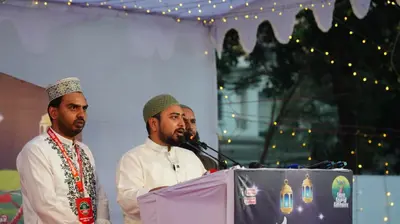
Following the end of Sheikh Hasina’s long tenure, the Qawmi madrasa-based Islamist organization Hefazat-e-Islam is emerging as a significant political force in Bangladesh. Taking advantage of pressure on the caretaker government and political instability, the group has become active on religious and political issues.
Protests and Demands on Religious Issues
In October 2025, Hefazat staged protests in Chattogram and Khagrachhari against the International Society for Krishna Consciousness (ISKCON), labeling it as “Hindutva extremist” and an “agent of India.” In the same month, the government announced the construction of a memorial for the victims of the 2013 Shahbagh tragedy and financial support for their families.
Stance and Political Engagement
Hefazat’s Joint Secretary Mamunul Haque claims the organization is apolitical but supports political reforms. The group has opposed women’s rights, music education, and the cultural activities of religious minorities. They have demanded appointing religious teachers instead of music teachers in primary schools.
Hefazat’s leader Shah Muhibullah Babunagari urged people not to vote for Jamaat-e-Islami and stated, “To resist disbelief, the correct path must be followed.”
Relations with Political Parties
Ahead of the national elections in February, Hefazat has reached out to BNP and the National Citizens Party (NCP). They demand declaring the Awami League a “criminal organization.” BNP sought Hefazat’s support but faced criticism for not standing by the group during the 2013 incidents.
Opposition to Minorities and Sufi Culture
Hefazat has described Pohela Boishakh, Mangal Shobhajatra, and Lalon festivals as “Hindu and idol-worship practices.” They have opposed musical events and devotees’ gatherings at Sufi shrines. In August, over 40 Sufi shrines reportedly faced attacks, allegedly instigated by Hefazat.
Position on International Issues
Hefazat opposed the UN Human Rights Office’s proposal, portraying it as interference in the country’s religious values. They have expressed solidarity with Palestine and opposed India’s influence.
Since Sheikh Hasina’s departure, Hefazat-e-Islam has emerged as a powerful religious pressure group in Bangladesh. Their protests and political engagements are affecting the country’s secularism, social tolerance, and international relations. The organization’s role in the upcoming elections could have a decisive impact on Bangladesh’s political future.
Source: Sri Lanka Guardian